
Bring Zen into Your Space
Bring Zen into Your Space

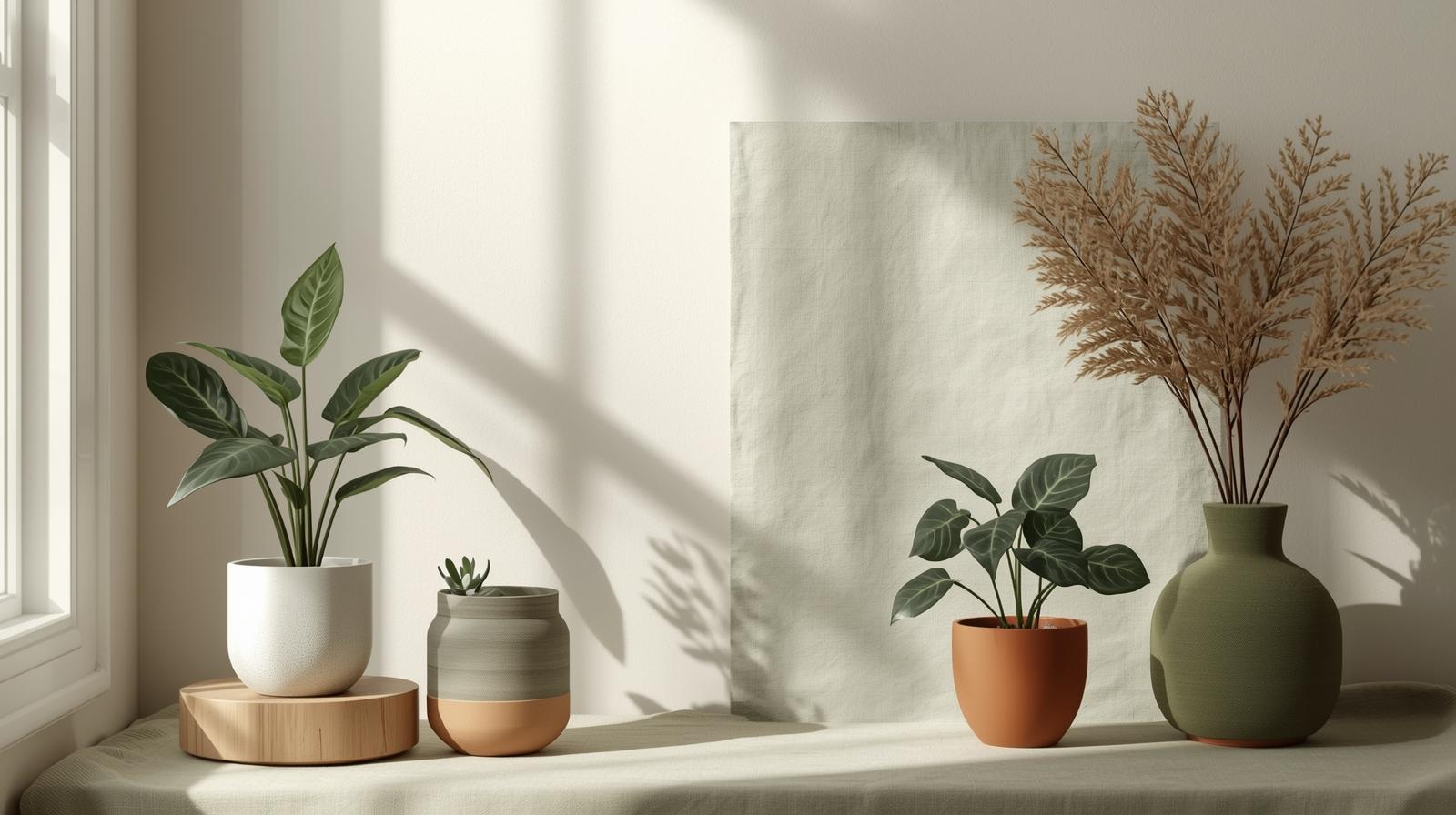
Outside, the world hushes under a blanket of frost—windows fog with quiet breath, and the light softens into a pale, golden hush. Inside, your leafy companions lean toward the dim winter sun, their silence a gentle reminder that even green life slows with the season.
Winter isn’t a time of dormancy for all plants—but it is a season of subtlety. Growth slows, light wanes, and the indoor environment shifts in ways both visible and invisible. The air dries, the days shorten, and the rhythm of care must change not with urgency, but with attention.
Imagine your monstera as a friend curling into a favorite sweater: not sick, just conserving energy. Its broad leaves may stop unfurling new splits, and its vines may pause mid-reach. This isn’t distress—it’s adaptation.
To care well in winter is to listen more than you act. Run your fingers over the soil—not just the surface, but an inch deep—before reaching for the watering can. Cold, damp earth often whispers, “Wait.”
Stillness isn’t neglect. Sometimes the kindest care is restraint.
Our culture prizes constant growth, but winter teaches a different lesson: that pause is part of the cycle. This is the heart of slow living—not doing less out of laziness, but doing less with greater intention.
Your pothos may stop sending out new vines—not because it’s unhappy, but because daylight hours have shrunk like wool socks in the wash. Peace lilies might skip blooming entirely until March; this isn’t failure, it’s alignment with natural rhythm.
Watch for subtle cues: leaves feeling slightly firmer (less transpiration), stems less turgid, or a general “holding pattern” in growth. These are not red flags, but seasonal signals.
Plants are not machines that run on command. They breathe with the year, and in winter, their breath is shallow, slow, and steady.
Let go of the lush, jungle-like abundance of summer; winter invites minimalism in both decor and care. A single thriving plant on a windowsill can hold more presence than a dozen over-tended specimens.
A ZZ plant thriving in low light isn’t “boring”—it’s a master of winter resilience. Honor that. Its waxy leaves store water, its rhizomes hold energy, and its quiet confidence reminds us that survival can be graceful.
Resist the urge to fertilize “just in case.” Most houseplants need zero nutrients from November to February. Feeding a resting plant is like offering a feast to someone who’s fasting—it creates imbalance, not nourishment.
The quiet beauty of a single snake plant in a frost-laced window teaches patience better than any growth chart. Its upright form stands like a sentinel, undisturbed by the season’s chill.
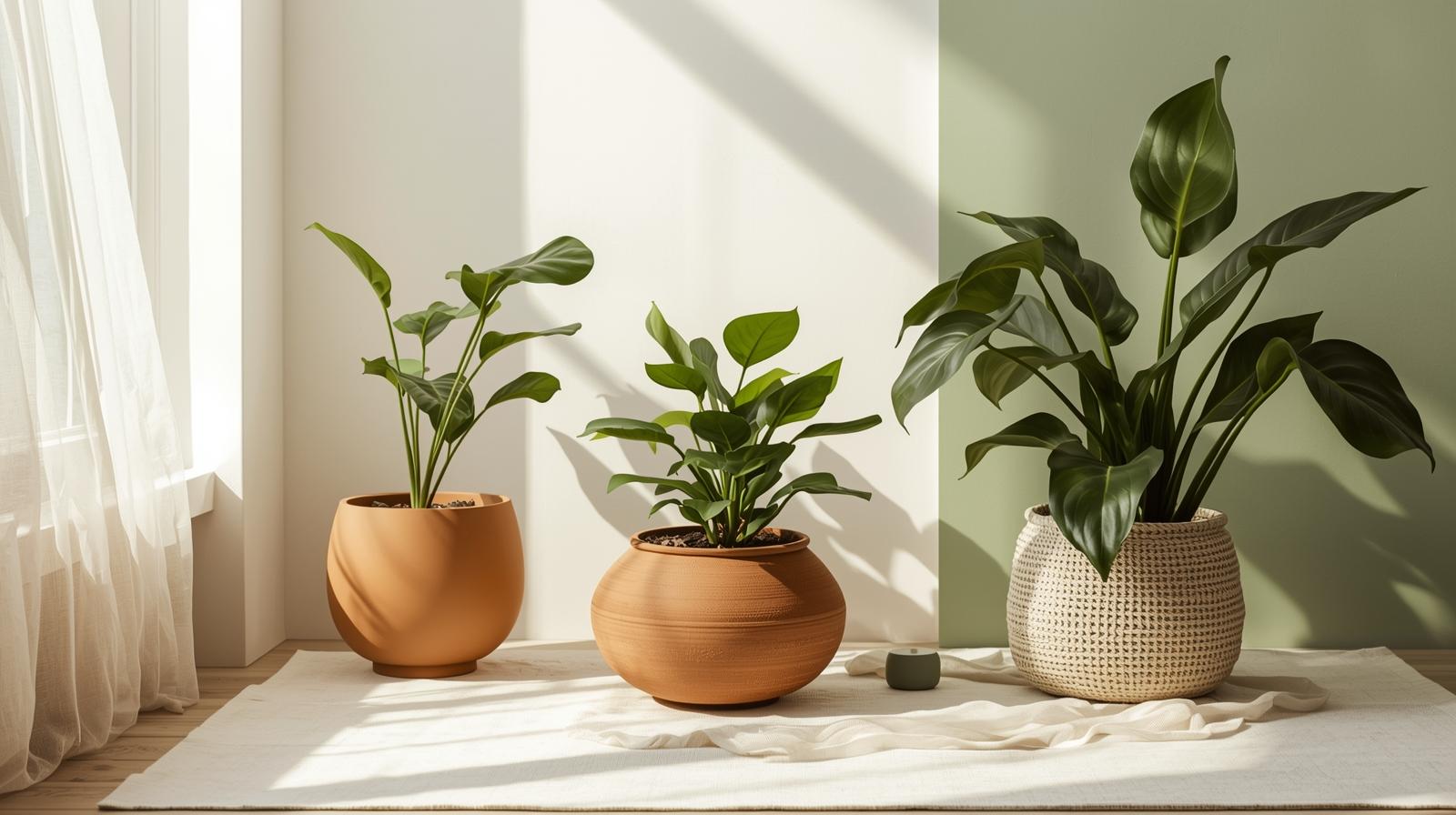
In winter, light becomes your plant’s most precious resource—more vital than water, more urgent than repotting. The sun arcs low across the sky, casting long shadows and bathing rooms in a honeyed, fleeting glow.
Think of sunlight as golden coins: fewer are minted each day, so spend them wisely. A south-facing windowsill becomes prime real estate; a north-facing corner turns into a dim refuge best suited for the hardiest souls.
Rotate your fiddle-leaf fig weekly so all sides catch the weak afternoon rays; notice how its leaves tilt like sunflowers in slow motion, tracking the sun even when it barely rises above the rooftops.
Scarcity teaches generosity—with space, with attention, with the placement of a single fern on a sunlit sill.
Don’t fight the season’s dimness. Work with it. Rearrange, observe, and let light guide your care—not habit.
Clean your windows inside and out—grime blocks up to 30% of already-limited photons. A streak-free pane isn’t just tidy; it’s an act of care.
Move light-hungry plants (like citrus or crotons) closer to windows, even if it disrupts your usual layout. Winter is not the time for aesthetic rigidity; it’s a season of functional grace.
Use mirrors opposite windows to bounce soft light deeper into the room—watch how your calathea’s leaves shimmer in reflected glow, their purple undersides catching the faintest gleam.
Avoid placing plants near drafty panes at night; cold glass can shock even sun-starved roots. The contrast between daytime light and nighttime chill creates stress that mimics neglect.
Grow lights aren’t always necessary—many low-light plants (e.g., cast iron plant, Chinese evergreen) thrive on ambient winter light alone. They’ve evolved to endure dim forest floors; your living room is a palace by comparison.
If you do use artificial light, choose warm-white LEDs (2700K–3000K) for a gentler, more natural spectrum. Cool white can feel clinical, harsh—a reminder of fluorescent offices, not forest canopies.
Limit supplemental lighting to 6–8 hours/day—plants still need darkness to rest. Photosynthesis isn’t the only process at work; respiration, repair, and root development happen in the quiet hours.
The hum of a grow light at dusk can feel intrusive; place it in a quiet corner, not your reading nook. Let technology serve nature, not dominate your sanctuary.
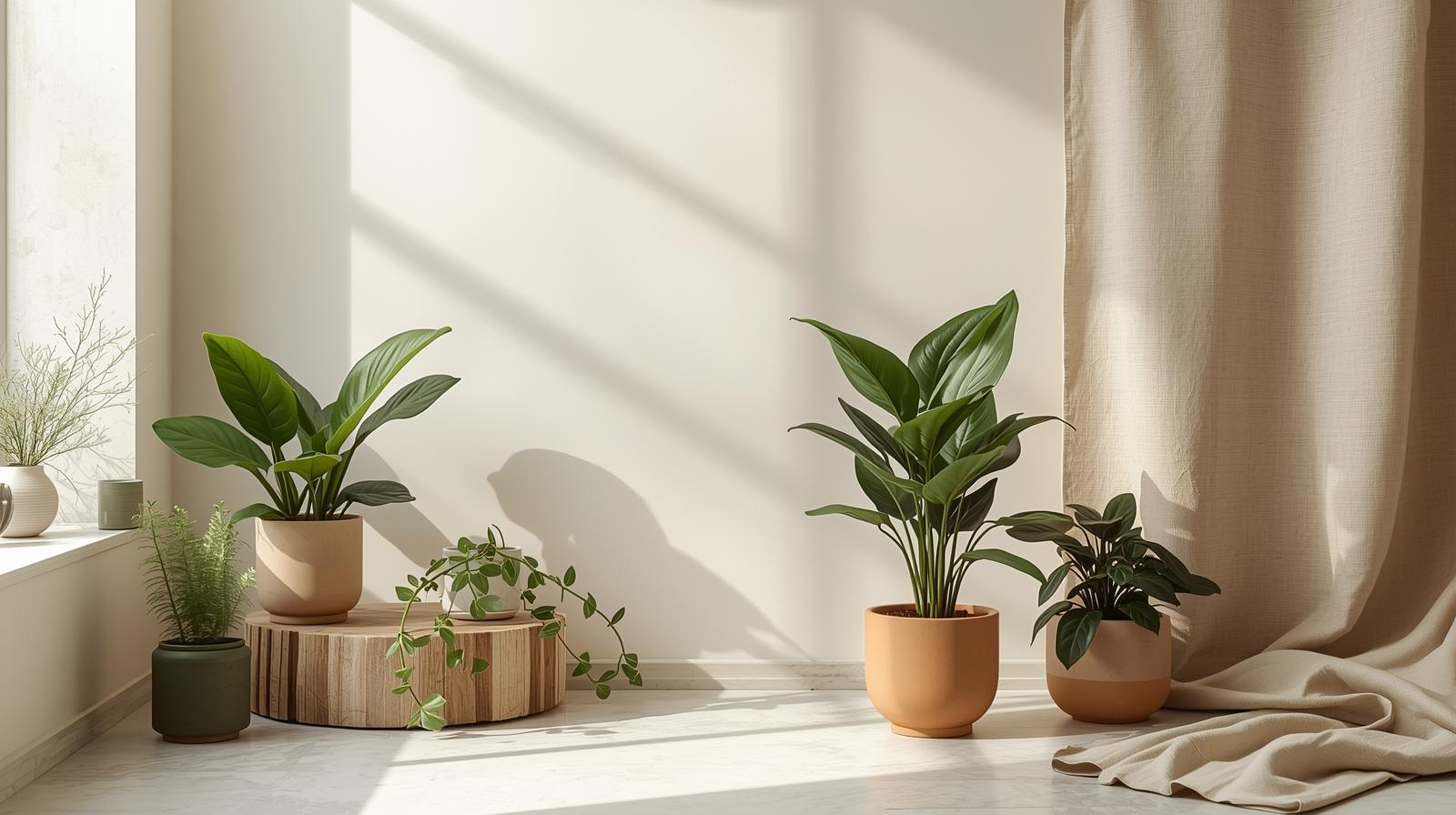
Overwatering is the #1 killer of houseplants in winter—not cold, not pests, but soggy soil in a low-evaporation environment. Roots suffocate in damp darkness, and rot spreads faster than you can notice.
Watering in winter is like offering soup to someone who’s barely hungry: well-intentioned, but overwhelming. The plant isn’t refusing your care—it’s simply not ready.
Lift your pot before watering. If it feels heavier than your morning coffee mug, wait. Weight is a more honest indicator than a calendar or a schedule.
To withhold water is not to deny care—it’s to honor rhythm.
Trust your senses over your habits. Winter care is tactile, intuitive, and slow.
Insert your finger up to the second knuckle—cool and damp means wait; dry and crumbly means sip, not soak. Your fingertip is a better moisture meter than most gadgets.
Use room-temperature water (never cold from the tap); icy water shocks roots and mimics frost stress. Let the water sit out overnight—it softens, warms, and loses its chlorine edge.
Water in the morning so excess moisture can evaporate during the day’s warmer hours. Evening watering traps dampness overnight, inviting mold and mildew.
Notice how your spider plant’s leaves lose their bounce when overwatered—it’s not wilting from thirst, but drowning in kindness. Care, like love, requires boundaries.
Ensure all pots have drainage holes—even the prettiest ceramic needs a hidden escape route. A pot without drainage is a prison, not a home.
If using cache pots, remove plants to water, then drain fully before returning. Standing water = root rot. That inch of pooled water at the bottom isn’t decorative; it’s dangerous.
Consider terracotta over plastic in winter; its porous nature wicks away excess moisture like a quiet ally. The clay breathes, helping soil dry evenly and roots stay healthy.
Well-draining soil also prevents mold, which thrives in stagnant, damp air. For more on creating balanced moisture environments, explore our guide to humidity control.
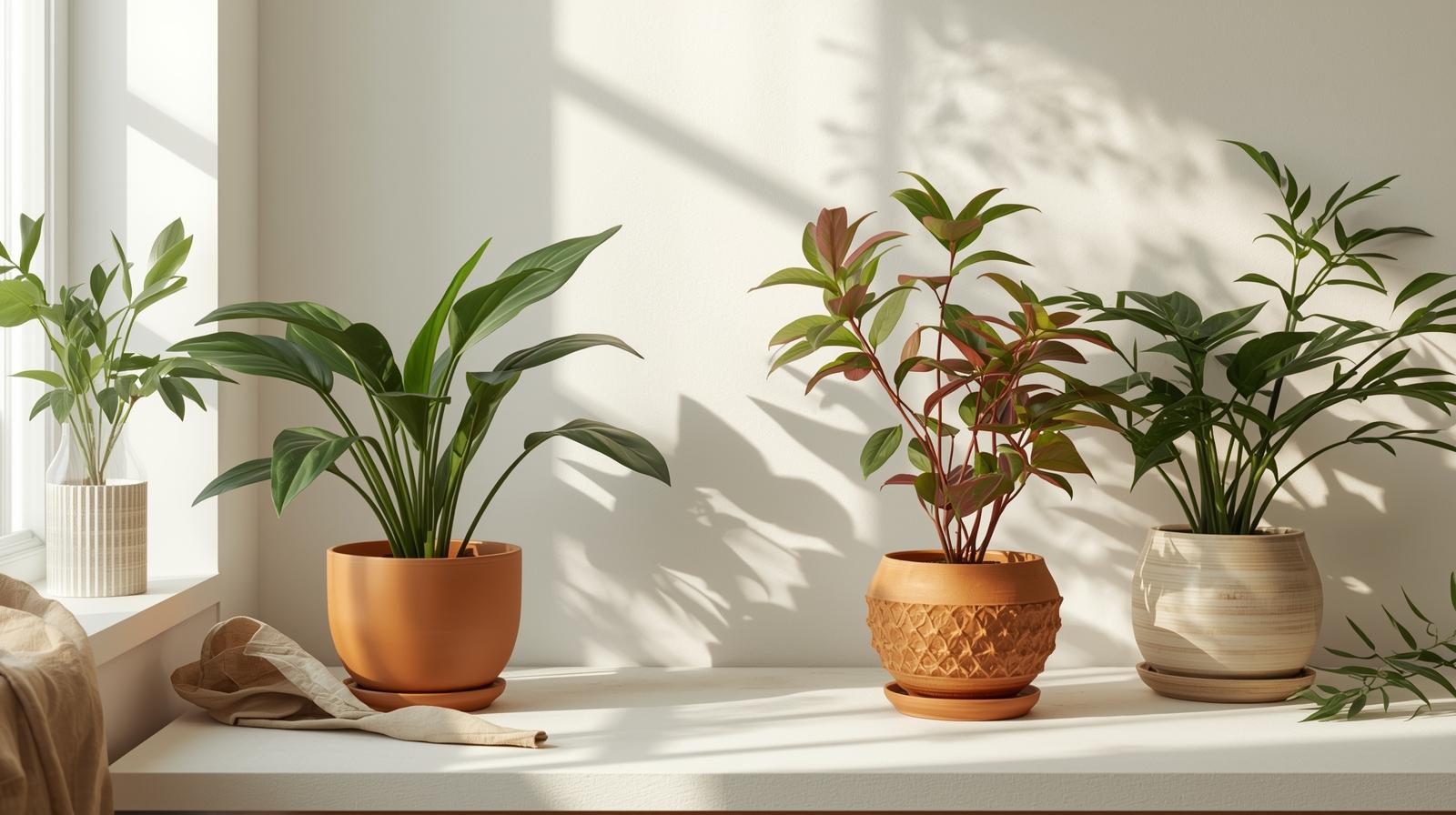
Heating systems create invisible hazards: dry air, hot blasts, and temperature swings that confuse tropical plants. What feels cozy to us can feel like a desert wind to a rainforest native.
Your radiator is a desert wind masquerading as comfort—warm, yes, but parching everything in its path. Leaves crisp, edges brown, and soil dries unevenly.
Place a folded wool blanket between your plant stand and a heating vent; feel how it softens the air’s harsh edge. It’s a small barrier, but it transforms a blast into a breeze.
True warmth isn’t just temperature—it’s consistency, gentleness, and protection from extremes.
Plants don’t need heat—they need stability. And in winter, stability is a rare and generous gift.
Never place plants near frequently opened exterior doors—cold drafts mimic arctic gusts to a tropical soul. A sudden 20°F drop can shock a plant into leaf drop or stasis.
Watch for “microclimates”: a windowsill might be sunny but icy at night; a bookshelf near a vent might feel cozy but bake leaves. Use your hand to test—hover it where your plant sits. Does it feel steady, or extreme?
Use a simple thermometer to check nighttime lows near windows—many plants suffer below 55°F (13°C). A digital hygrometer with a min/max memory can reveal hidden cold snaps.
The shiver of a philodendron’s leaves near a drafty pane is a silent plea for shelter. Listen.
Never set pots directly on radiators—even if they seem warm, the dry heat desiccates roots from below. The soil surface may feel dry, but the roots are cooking.
If using a wood stove, place plants on a high shelf across the room, not on the hearth. Radiant heat rises, but soot and ash don’t belong in your soil.
Run a humidifier nearby if your heating system dries the air below 30% RH—your plants (and skin) will thank you. Dry air invites spider mites and brittle leaves; moisture invites resilience.
This is a natural place to link to our humidity-control guide for deeper solutions, from pebble trays to misting routines that honor both plant and person.
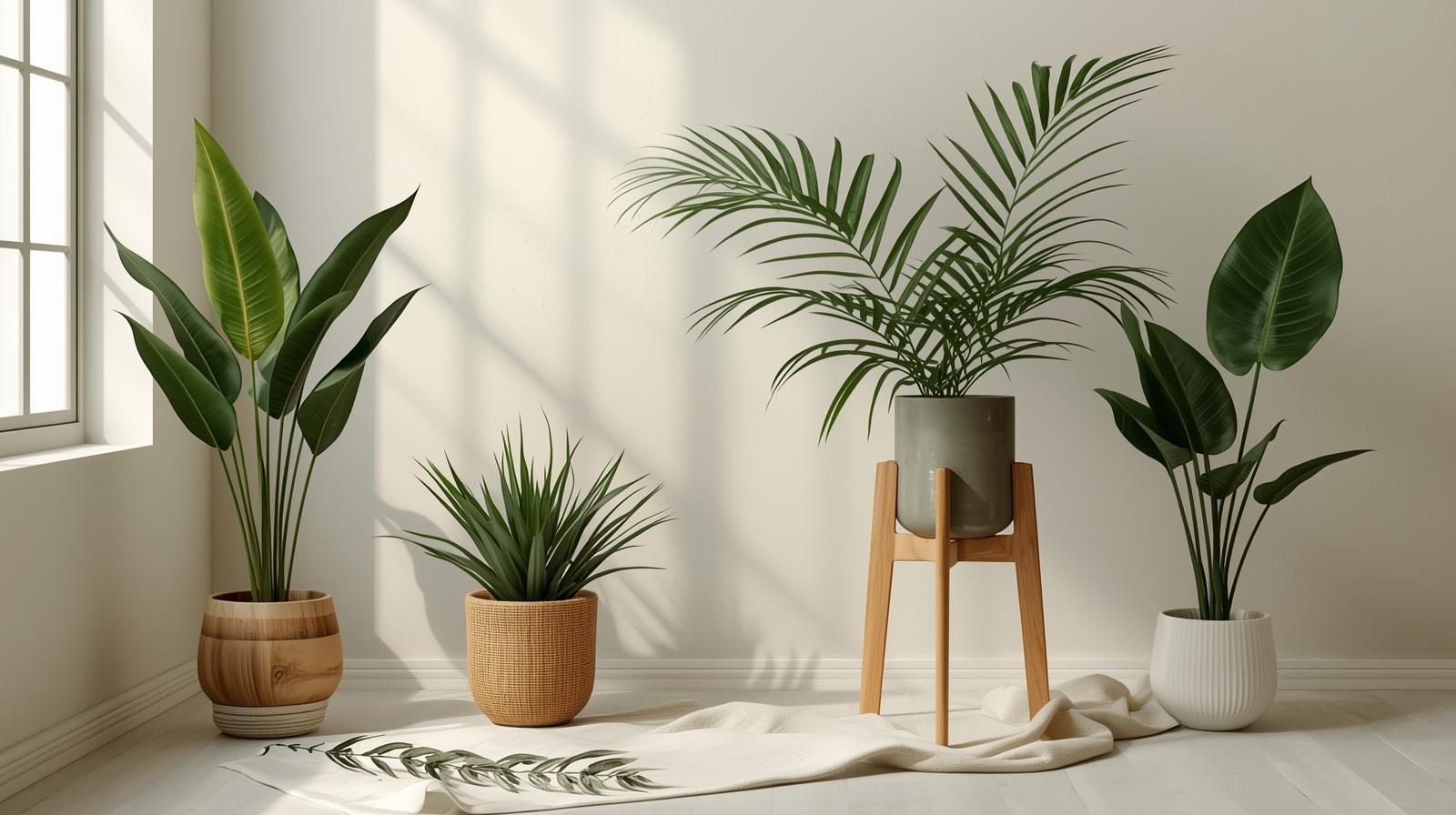
Stressed, dry, or crowded plants in winter become vulnerable to spider mites, mealybugs, and scale—tiny opportunists thriving in indoor isolation. With windows closed and air stagnant, pests multiply unseen.
Pests are winter’s spies: they slip in when defenses are low and multiply in the shadows. A single mealybug today can become a colony by February.
Wipe leaves monthly with a damp cloth infused with a drop of neem oil—feel the dust lift, the green deepen. This ritual is both cleansing and connecting.
Vigilance is not fear—it is tenderness with eyes wide open.
Early detection is everything. A magnifying glass, a weekly leaf check, and clean hands are your best tools.
Look for fine webbing under leaves—that’s spider mites, thriving in dry heat. Tiny cottony blobs in leaf axils? Mealybugs, nesting in the folds. Bumpy, brown scales on stems? That’s scale, armor-clad and stubborn.
Yellowing leaves aren’t always overwatering—sometimes they’re a silent scream under pest pressure. Check the undersides. Always the undersides.
Isolate new plants for two weeks before introducing them to your collection. A single infested cutting can compromise your entire indoor jungle.
For a full, compassionate approach to managing unwelcome guests, our pest-control guide offers non-toxic, plant-safe strategies rooted in observation and care.
Healthy plants resist pests better than stressed ones. Keep humidity moderate, avoid overcrowding, and dust leaves regularly—pests love hiding in dust and dry air.
Grouping plants creates a shared microclimate of moisture and airflow, but leave space between them. Crowding invites disease and hides invaders.
Wash your hands before handling different plants. Pests travel on skin, sleeves, and tools. A moment of mindfulness prevents weeks of trouble.
Winter care isn’t just about survival—it’s about dignity. Your plants deserve to feel safe, seen, and supported, even in the quietest months.
Winter plant care isn’t about fixing, forcing, or fretting. It’s about tuning in—listening to the slowed pulse of green life, honoring its needs without imposing our summer expectations.
Every dry leaf you gently remove, every pot you rotate toward the light, every moment you pause to observe—these are acts of quiet devotion. They stitch you into the rhythm of the natural world, even when snow covers the ground.
In caring for your plants through winter, you care for yourself. You practice patience. You embrace restraint. You learn that warmth isn’t just heat—it’s attention, consistency, and the courage to do less, but better.
So let your home be a sanctuary—not just for you, but for the green friends who share it. Together, you’ll wait out the cold, and when the light returns, you’ll both unfurl anew.