
Bring Zen into Your Space
Bring Zen into Your Space

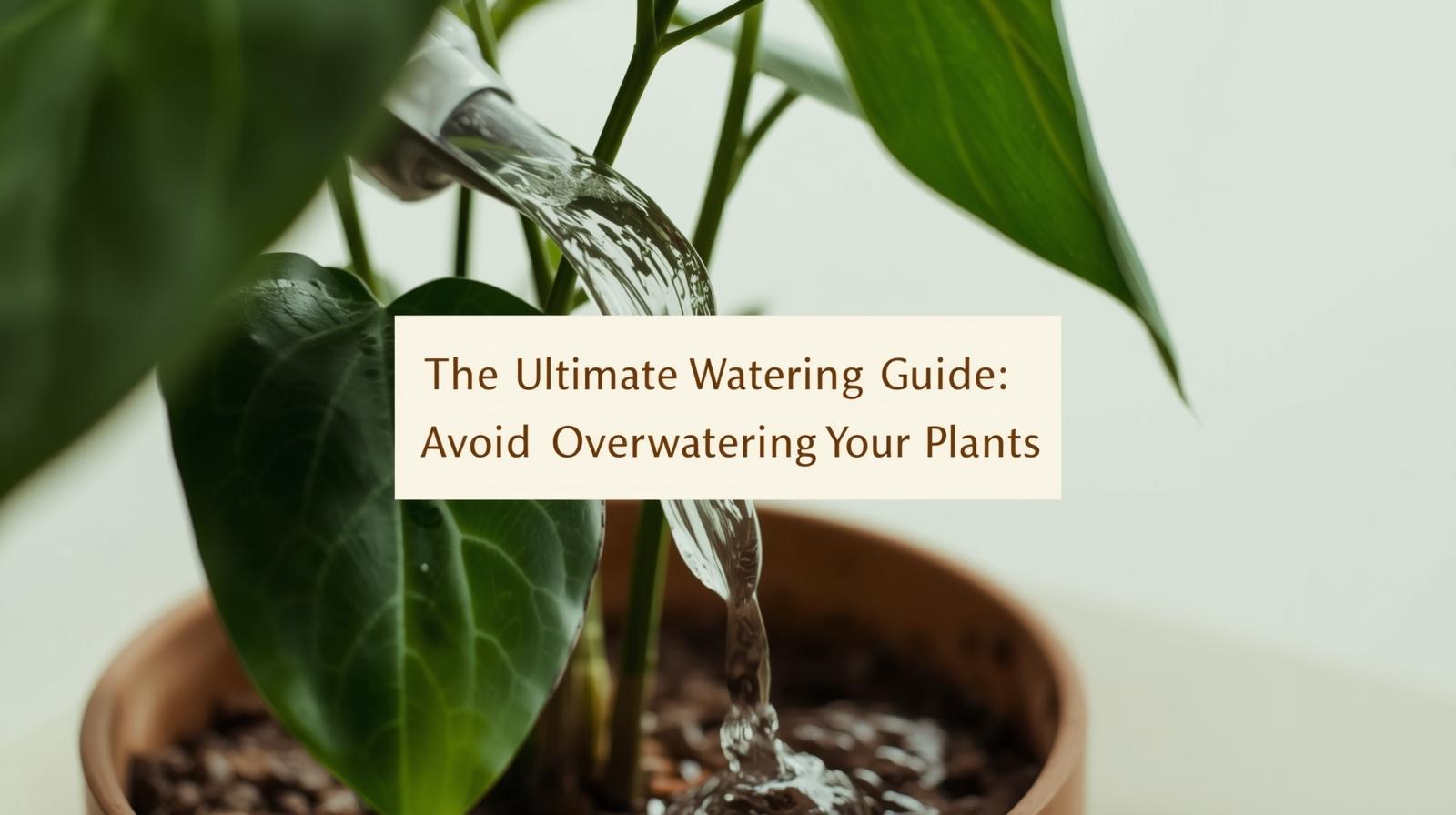
Watering a plant is more than a chore—it’s a quiet ritual of care, a moment of presence between you and something alive. Yet, even with the best intentions, overwatering remains the most common mistake among plant lovers. This guide invites you to slow down, listen to your plants, and understand the gentle rhythm of watering frequency that supports their health and your peace of mind.
Many of us water out of love—a desire to nurture, to do something kind. But plants speak in silence, and their needs are often misunderstood. A drooping leaf might be mistaken for thirst when it’s actually a cry for air.
Excess water fills the air pockets in soil, suffocating roots and creating the perfect environment for rot. In the Zen spirit of “less is more,” we learn that restraint can be its own form of care.
Watering frequency isn’t a rigid rule—it’s a living rhythm shaped by your plant’s species, the light it receives, the season, and even the pot it lives in. No calendar can replace your own mindful observation.
True care begins when you stop asking, “When should I water?” and start asking, “Does this plant need water now?” Tuning into these subtle signals deepens your connection and prevents harm.
By approaching watering frequency as a responsive practice rather than a fixed schedule, you honor both your plant’s nature and your own intuition.
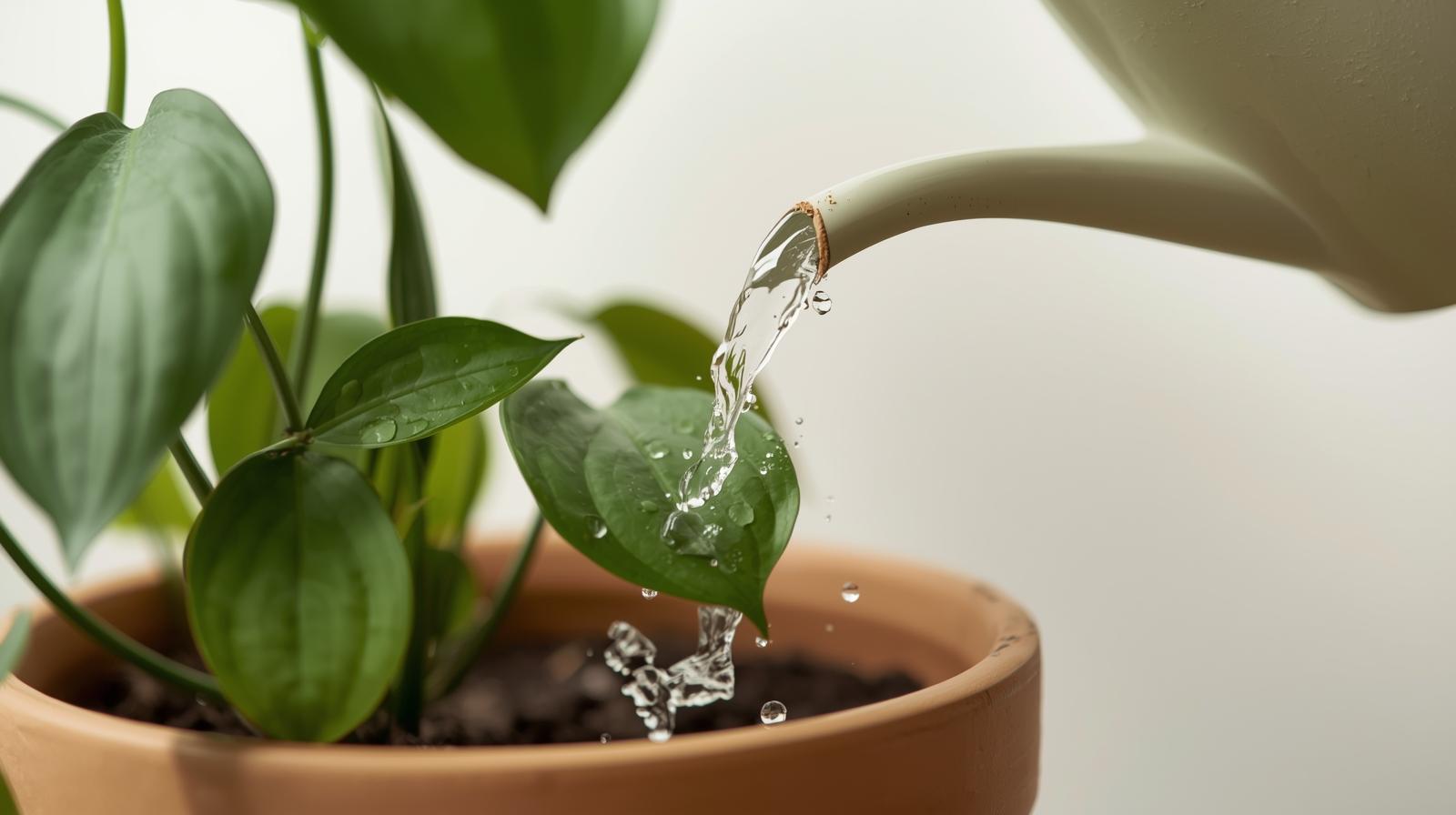
Plants carry the memory of their native environments in their leaves and roots. Ferns and calatheas, born of humid rainforests, appreciate consistent moisture, while succulents and cacti thrive on dry spells that echo desert winds.
Understanding these origins helps you anticipate needs before signs of stress appear. A plant’s habitat is its silent teacher—if you listen, it will guide your hand.
Dry soil at the surface often signals readiness for water, but deeper layers may still hold moisture. Drooping leaves can mean either thirst or drowning—a reminder that context matters more than assumption.
Before you pour, pause. Lift the pot—is it light or heavy? Observe the leaves—are they crisp or soft? These small gestures become acts of presence.
Slide your finger one to two inches into the soil. If it feels dry, it’s likely time to water. If it’s cool and damp, wait another day.
Moisture meters or the simple act of lifting the pot can also guide you. Pair this check with a slow breath—turning routine into ritual.
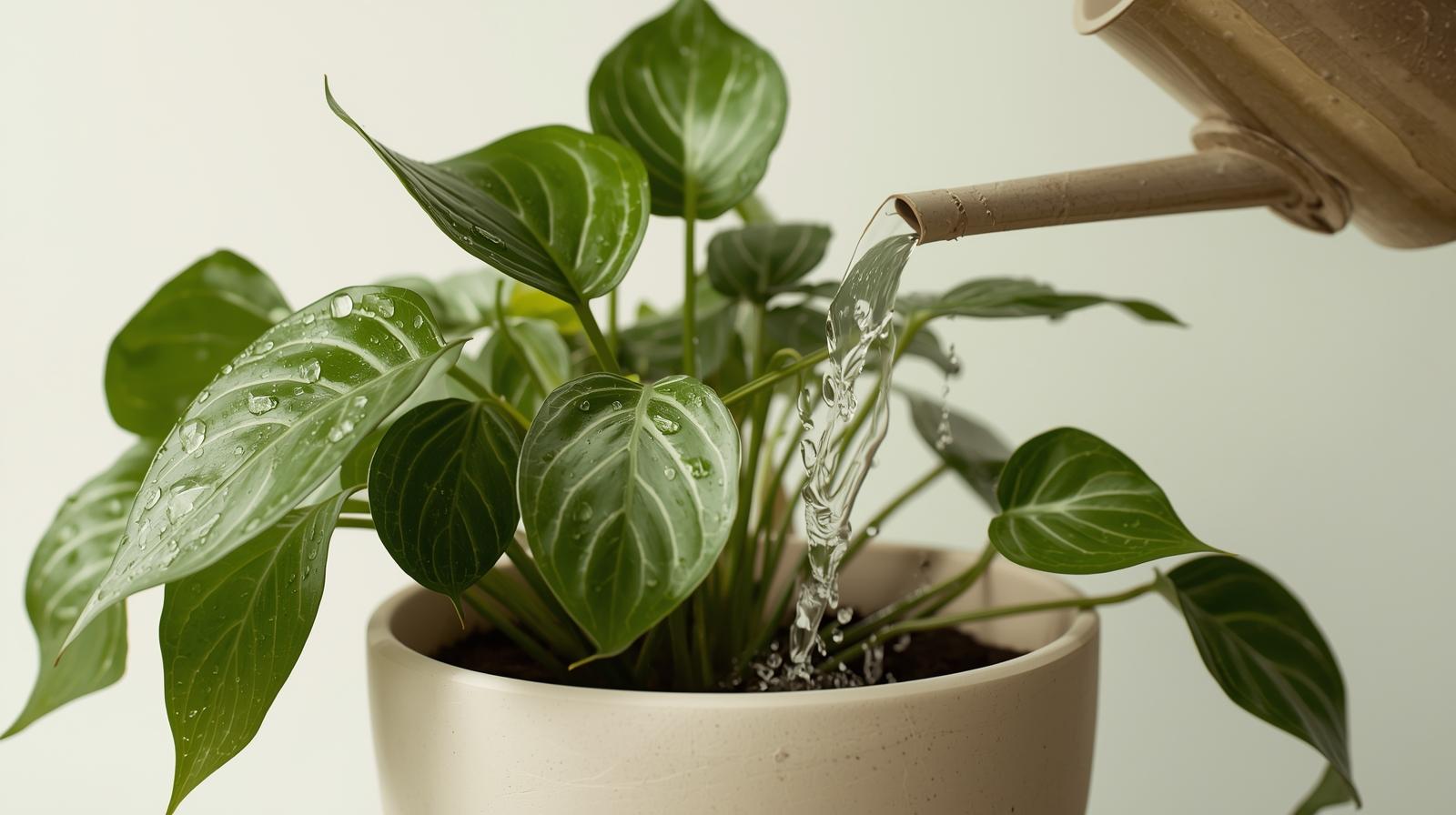
Bright, warm light pulls moisture from soil faster than cool, dim corners. Airflow and low humidity accelerate drying, especially in heated homes during winter.
Seasons whisper their changes: many plants rest in winter, needing far less water than in their active spring and summer months. Honoring this cycle is a form of respect.
In dry indoor air, leaves may crisp or curl—not from thirst, but from lack of ambient moisture. Learn how to balance humidity without overwatering.
A pot without drainage is a trap for water—and for roots. Terracotta breathes, helping soil dry evenly; plastic retains moisture longer; ceramic offers a middle ground.
Soil is the unseen foundation of hydration. Compacted or dense mixes hold water too tightly, starving roots of oxygen. A well-aerated blend—often with perlite, orchid bark, or coco coir—lets water move freely. Explore the essentials in our soil basics guide to create the right home for your green companions.
Top watering mimics rainfall—gentle, slow, and thorough, allowing water to seep evenly through the soil. Bottom watering encourages roots to reach downward, promoting strength and balance.
Misting offers momentary humidity but rarely hydrates deeply—best reserved for foliage-loving plants in dry rooms. Always use room-temperature water, and pour with patience, as if offering a quiet gift.
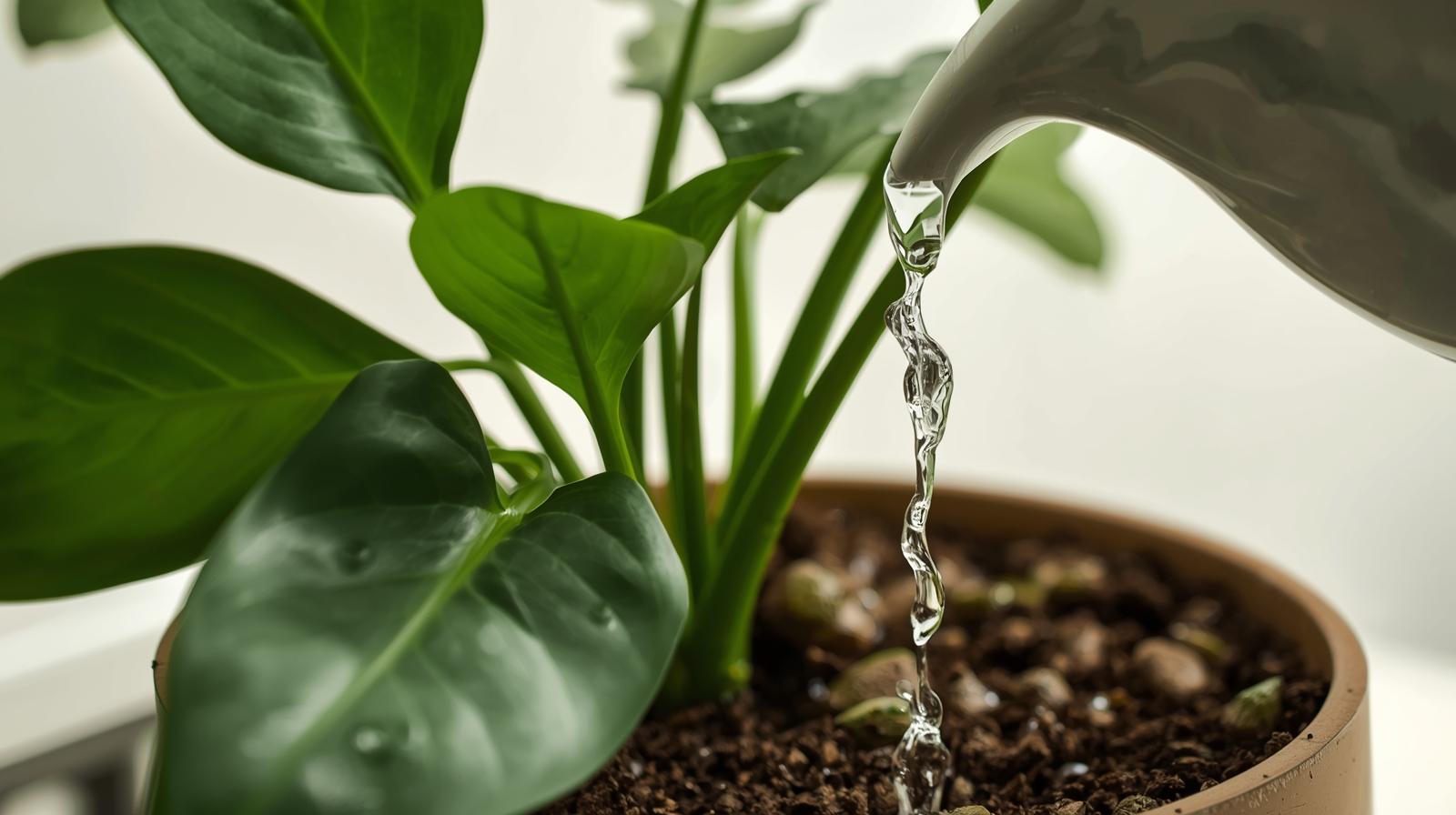
“Water once a week” is a well-meaning myth that ignores the truth: every plant, every home, every season is different. Yellow leaves? They can signal overwatering just as often as underwatering.
More water doesn’t mean faster growth—it often means slower decline. True vitality comes from balance, not abundance. Let go of assumptions; let your plant show you what it needs.
Instead of setting alarms, keep a small journal. Note when you water, how the soil felt, how the plant responded. Patterns will emerge—not rules, but rhythms.
Anchor plant care to your existing rituals: water while your morning tea steeps, or check soil as evening light softens the room. For those just beginning their journey, our indoor plant beginner’s guide offers gentle entry points with resilient, forgiving species.
If you suspect overwatering, stop. Gently remove the plant from its pot and inspect the roots—healthy ones are firm and white; rot appears dark, mushy, and smells sour.
Trim damaged roots, repot in fresh, well-draining soil, and place in bright, indirect light. Healing takes time. Let this be a lesson in release—not all care looks like doing; sometimes, it looks like waiting.
Watering well is not about perfection—it’s about presence. By tuning into your plants and the quiet signals they send, you cultivate not just greenery, but a more attentive, grounded way of living.