
Bring Zen into Your Space
Bring Zen into Your Space


Imagine sunlight pooling like liquid gold on your windowsill, the air thick with the scent of warm soil and dry leaves. There’s a hush in the afternoon heat—a stillness that asks you to slow down, to listen to the quiet sigh of your plants as they lean into the shade.
Plants don’t speak in words, but in gestures—subtle shifts in posture, color, and texture that reveal their inner state. In summer, when the sun lingers long and fierce, these signals become more urgent, yet no less gentle. A slight curl of a philodendron’s leaf, the faint droop of a pothos vine—these are not cries for help, but quiet invitations to pay closer attention.
Like a parched throat before you realize you’re thirsty, your fiddle leaf fig might droop slightly before it truly dehydrates. The change is barely perceptible at first, a softening rather than a collapse. This is your window—the moment between comfort and crisis—where attentive care makes all the difference.
Run your fingers over leaves in the morning; cool, taut foliage means hydration, while papery or limp textures whisper distress. Notice how the light catches the surface: glossy and vibrant, or dull and brittle? These are the details that tell a story far richer than a wilting stem alone.
Summer doesn’t shout—it murmurs. To care is to lean in and listen.
When heat stress begins, your plants may show several telltale signs:

Wilting often triggers an automatic reach for the watering can—but pause. Not all drooping stems signal thirst. In compacted or poorly draining soil, roots can suffocate even in wet conditions, mimicking dehydration. The key is context: observe before you act.
Check the soil surface. Is it cracked and dusty, pulling away from the pot’s edge? Or is it soggy, mossy, and cool to the touch? Let texture, not assumption, guide your response. A finger pressed an inch deep will tell you more than the leaves alone ever could.
Some plants, like calatheas and monsteras, naturally wilt during the hottest part of the day as a heat-conservation strategy. If they perk up by evening, it’s not distress—it’s adaptation. This rhythmic droop is their way of saying, “I’m resting, not dying.”
Consider these signs to distinguish between normal and concerning wilting:
This nuance is central to mindful watering practices—knowing when to hold back is as vital as knowing when to pour.
Pale yellow or brown patches on once-vibrant leaves aren’t disease—they’re sunburn. Especially common on east- or west-facing windowsills, these scorched areas appear suddenly after a string of cloudless days. The damage is done not by neglect, but by the sun’s unexpected intensity after spring’s gentler light.
Think of it like human skin: after months indoors or under soft light, even a few hours of direct midday sun can burn. Delicate foliage—marantas, peperomias, even some monsteras—needs gradual acclimation, not abrupt exposure.
Move sensitive plants back from direct beams, or drape a sheer curtain between them and the glass. This simple veil becomes sunscreen for your green companions, filtering harsh rays into a dappled, nurturing glow. Rotate pots weekly so all sides receive balanced light without overexposure.
The scent of scorched chlorophyll—dry, faintly bitter—lingers in overheated rooms. Let it remind you to reposition, not just react. A Zen pause: Not all light is nourishment. Sometimes protection is the deeper form of feeding.
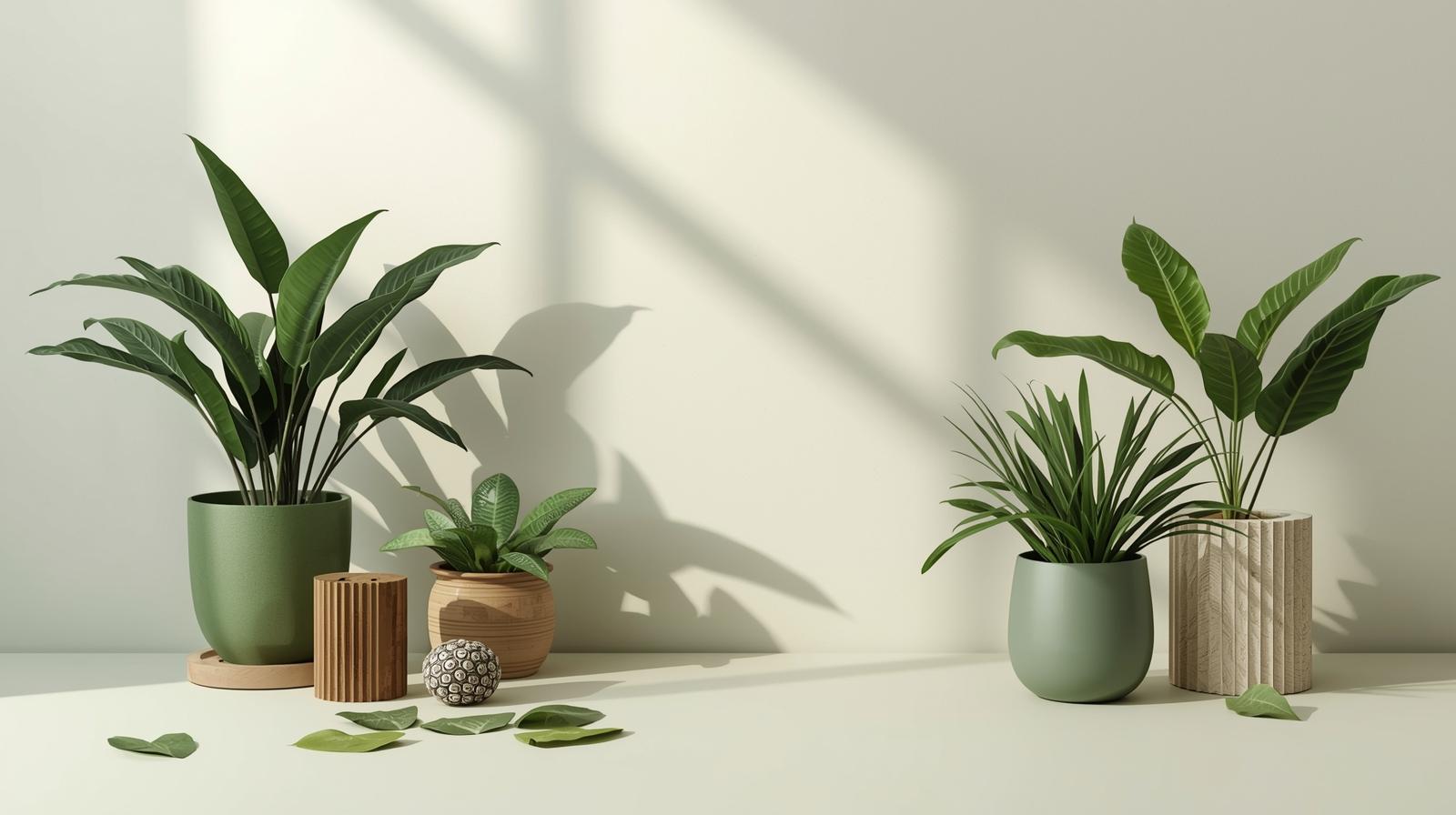
Summer care isn’t about watering more—it’s about watering smarter, with rhythm and intention. The impulse to douse your plants daily in July may come from love, but it can drown as easily as it quenches. True hydration is a dance between need, timing, and method.
Watering at noon is like offering ice water to someone running a fever—it shocks rather than soothes. The sun’s heat causes rapid evaporation, and cold water on hot roots creates stress. Instead, sync your routine with the day’s natural cadence.
Early morning dew still clinging to blades of grass? That’s your cue. Water before 9 a.m., when temperatures are cool, humidity is higher, and roots are primed to absorb. For outdoor containers, a second light watering after sunset can replenish what the day stole—so long as foliage dries before nightfall.
Water is a conversation. Rush it, and you drown the message.
Here are ideal windows for summer watering:
Shallow watering encourages roots to stay near the surface, where heat dries them out fast—like building a house on sand. A daily sprinkle may wet the top inch, but it trains roots to stay shallow, making plants more vulnerable to drought and temperature swings.
Instead, water slowly and thoroughly until it drains from the pot’s base. This invites roots downward into cooler, moister earth, where they can access reserves during the day’s peak heat. Think of it as encouraging your plants to dig deep—not just for water, but for resilience.
Use a watering can with a long, narrow spout to direct flow gently to the soil, avoiding splashing leaves in high sun. Water droplets on foliage can act like magnifying glasses, intensifying light and causing burns. Keep the ritual focused, quiet, and precise.
Listen: the soft gurgle as water sinks through terracotta is the sound of resilience being built. If you’d like to refine your approach year-round, our guide to watering tips offers seasonal rhythms for every plant type.
Terracotta and unglazed ceramic “breathe,” wicking away excess moisture through their porous walls and keeping roots cooler than plastic or metal. On a 90°F day, a clay pot may feel warm but never hot—while a black plastic container can bake roots like an oven.
On hot days, touch your pots. Plastic retains heat like a car seat in July; clay stays pleasantly cool. This isn’t just comfort—it’s survival. Roots thrive in stable temperatures, and breathable materials buffer against summer’s extremes.
For outdoor planters, elevate them on pot feet, bricks, or wooden stands. This allows airflow underneath, preventing the bottom layer of soil from baking into a dry, impenetrable crust. It also reduces the risk of pests like fungus gnats, who thrive in stagnant, overheated conditions.
A sensory note: The faint chalky dust on terracotta after a dry spell smells like earth remembering rain. Consider grouping pots by material—clay for thirstier plants like ferns or calatheas, glazed ceramic for succulents who prefer drier conditions.

You don’t need to fight summer—you can design gentle refuges within it. Rather than battling the sun, work with it. Create pockets of coolness where your plants can retreat, breathe, and thrive even as temperatures climb.
A sheer linen curtain isn’t a barrier; it’s a veil that softens the sun’s insistence into a caress. The light that filters through is still bright, but diffused—ideal for foliage that craves luminosity without scorching. Similarly, a bamboo blind or draped muslin over a plant stand casts shifting patterns of shade that move with the day.
Cluster taller plants like palms or bird of paradise near smaller, shade-loving companions. Their broad leaves cast dappled shadows, mimicking the layered canopy of a forest floor. This isn’t just aesthetic—it’s ecological wisdom, drawn from nature’s own designs.
Coolness isn’t absence of heat—it’s presence of care.
Simple, accessible materials can create effective shade:
Rotate indoor plants away from south-facing windows in peak summer; even a few feet back can reduce leaf temperature by up to 10°F. A monstera that basked happily in May may need retreat by July. Watch for signs: leaves turning away from the light, or new growth emerging smaller and paler.
For outdoor containers, shift them under eaves, pergolas, or the gentle canopy of a deciduous tree. Light filtered through leaves is cooler and kinder than direct sky exposure. Unlike solid shade, dappled light still provides the energy plants need—just without the burn.
Observe the sun’s path across your space over a few days. Note where shadows pool longest in the afternoon—the golden hours of relief. Use these zones as summer sanctuaries. A potted fern under a maple’s branches may thrive where it once crisped on a patio table.
The rustle of a relocated monstera adjusting to softer light sounds like a long exhale. This practice embodies summer care at its most intuitive: moving with the season, not against it.
Cluster plants together to create a shared microclimate—transpiration from one becomes moisture for another. In a hot, dry room, a single peace lily may struggle, but surrounded by ferns and calatheas, it breathes easier. Their collective exhalation raises local humidity like a tiny, living oasis.
Place moisture-loving species near one another: Boston ferns beside prayer plants, staghorn ferns near anthuriums. Their combined breath creates a cool, damp pocket that buffers against dry indoor air and heat waves. But avoid overcrowding—airflow still matters. Leave enough space for each plant to sway gently in a breeze.
The scent of clustered greenery on a hot evening is green, damp, alive—a natural air freshener that needs no plug or spray. It’s the smell of symbiosis, of community thriving in shared resilience.
For those seeking deeper strategies to maintain ideal moisture levels, our guide to humidity control offers gentle, plant-friendly methods that honor both your space and your green companions.

The secret to summer resilience lies beneath the surface—in how soil holds (or releases) moisture and heat. While leaves catch the sun, roots seek refuge in the cool, dark earth. What happens down there determines whether your plant merely survives the season or flourishes through it.
Good soil is like a sponge wrapped in linen: it soaks up water, then releases it slowly, keeping roots calm. It breathes, drains, and retains—all at once. In summer, this balance becomes even more critical. Dense, compacted mixes bake hard; overly sandy ones drain too fast. The ideal holds moisture without sogginess.
Top-dress pots with a thin layer of coconut coir or fine bark mulch—it shields soil from direct sun and slows evaporation. This simple act creates a protective lid, like a hat for your soil. It also reduces temperature fluctuations and discourages pests from laying eggs in exposed earth.
What nurtures from below needs no applause—only attention.
These mulches work beautifully in summer:
Midsummer isn’t ideal for full repotting—heat plus transplant shock equals risk. But you can gently refresh the top inch of soil without disturbing roots. Scoop out the old, dusty layer and replace it with a light mix of potting soil and compost. This renews nutrients and improves water absorption without stress.
Gently loosen compacted surface soil with a chopstick or bamboo skewer. Think of it as “aeration yoga” for roots—creating tiny channels for air and water to travel downward. Do this slowly, mindfully, as if massaging tense shoulders.
Add a sprinkle of worm castings for slow-release nutrients that won’t burn in heat. Unlike synthetic fertilizers, which can salt the soil and dehydrate roots in high temperatures, organic amendments feed gently and steadily. The earthy, sweet smell of fresh compost in a pot is summer’s quiet promise of renewal.
Avoid synthetic fertilizers in peak heat—they can accumulate salts, drawing moisture away from roots just when they need it most. Let your plants rest, not race, through the season.
Mix perlite, pumice, or orchid bark into dense soils to improve drainage while retaining pockets of cool moisture. These amendments create air pockets that help roots breathe and access water without sitting in it. For tropical plants, a blend of coco coir, bark, and perlite mimics the forest floor—moist but never soggy.
For succulents and cacti, use gritty mixes that dry quickly—heat amplifies rot risk in soggy soil. A blend of coarse sand, lava rock, and minimal organic matter ensures rapid drainage, keeping roots safe even after sudden summer storms.
Test drainage by watering and timing runoff; if it takes more than 30 seconds to appear, your mix may need more aeration. Healthy soil should feel like a wrung-out sponge—moist, springy, alive.
The sound of water moving freely through a well-aerated pot is quiet music—a sign that roots are cool, calm, and connected. In this hidden world, your plants build the strength to face the sun again tomorrow.
Summer’s warmth doesn’t just stress plants—it invites opportunists. Spider mites, aphids, and whiteflies thrive in hot, dry conditions, especially on plants already weakened by heat or inconsistent watering. But prevention begins not with sprays, but with presence.
Inspect leaves weekly—top and underside—with a soft cloth or magnifying glass. Look for fine webs, sticky residue, or tiny specks that move. Early detection means a gentle wipe with soapy water may be all you need. Think of it as plant grooming: a ritual of care, not combat.
Keep foliage clean. Dust blocks pores and traps heat. A monthly shower (for indoor plants) or gentle hose rinse (for outdoor ones) refreshes and cools. Do this in the early morning, and let leaves dry fully before nightfall to discourage fungal guests.
True protection is quiet, consistent attention. For those navigating persistent issues, our guide to pest control offers plant-safe, mindful solutions that honor the balance of your indoor ecosystem.
In the end, summer plant care is less about technique and more about attunement. It asks us to slow down, to notice the angle of light, the texture of soil, the quiet language of leaves. As we tend to our green companions through the heat, we also nurture our own capacity for presence. In the shared rhythm of watering, shading, and watching, we remember: to care for life is to participate in its quiet, resilient beauty.