
Bring Zen into Your Space
Bring Zen into Your Space


Imagine sunlight pooling on windowsills like warm honey, the air softening with the scent of damp earth and new green. There’s a quiet hum beneath the surface—a slow, steady pulse of life stirring in roots, unfurling in buds, whispering that it’s time to stretch again.
Spring doesn’t burst in with fanfare. It arrives in increments: a few extra minutes of daylight, a slight lift in the morning air, the softening of shadows on the floor. Plants feel this shift long before we do—responding not to calendars but to light, temperature, and the quiet chemistry of the soil.
Like a sleeper stretching beneath blankets before rising, your monstera or pothos is already sensing the change. Its metabolism stirs. Its roots begin to explore. This is not a moment for haste, but for attunement.
Run your fingers over last year’s soil. Does it feel compacted, cracked, or lifeless? Or is it beginning to breathe again—lighter, slightly crumbly, eager for renewal? The earth holds memory, and it tells a story if you pause long enough to listen.
Growth begins in stillness. Rushing it disrupts the natural cadence of renewal.
Before you water, repot, or prune, simply observe. True spring care starts not with action, but with presence.
Look for these gentle signals that your plant is ready to awaken:
Notice the subtle green blush on stem tips—nature’s first whisper of activity. It might be easy to miss if you’re rushing past your windowsill with your morning coffee, but slow down. That blush is a promise.
Observe how your plants hold themselves in the morning light. Do their leaves seem to lift slightly, as if reaching? In winter, many houseplants conserve energy, letting leaves soften or droop. Now, they’re gathering strength.
Peek beneath the pot. Are tiny white root hairs peeking through the drainage holes? This isn’t a sign of distress—it’s a quiet request for more room to expand. Roots are the hidden heartbeat of your plant, and they speak in whispers.
These cues aren’t demands. They’re invitations. And the most respectful response is patience paired with attention.
This is not about forcing change but listening—true spring care begins with observation, not action.
Winter taught us restraint. We watered less, withheld fertilizer, and gave our plants space to rest. That season of dormancy was not neglect—it was wisdom. As spring arrives, honor that rhythm rather than abandoning it abruptly.
Gently wipe dust from leaves with a damp cloth. It’s like washing winter’s haze from a window—suddenly, more light gets through. Clean leaves photosynthesize more efficiently, fueling the growth that’s just beginning.
Avoid the temptation to overcorrect. Just because the days are longer doesn’t mean your cactus suddenly craves weekly watering. Each plant wakes at its own pace, shaped by species, environment, and history.
Ask yourself: What habits served your plants in dormancy? Which no longer fit the new rhythm? Letting go of old routines—gently, thoughtfully—is part of spring’s lesson.
For a deeper understanding of how hydration needs evolve with the seasons, revisit our guide to watering tips, where nuance replaces routine.
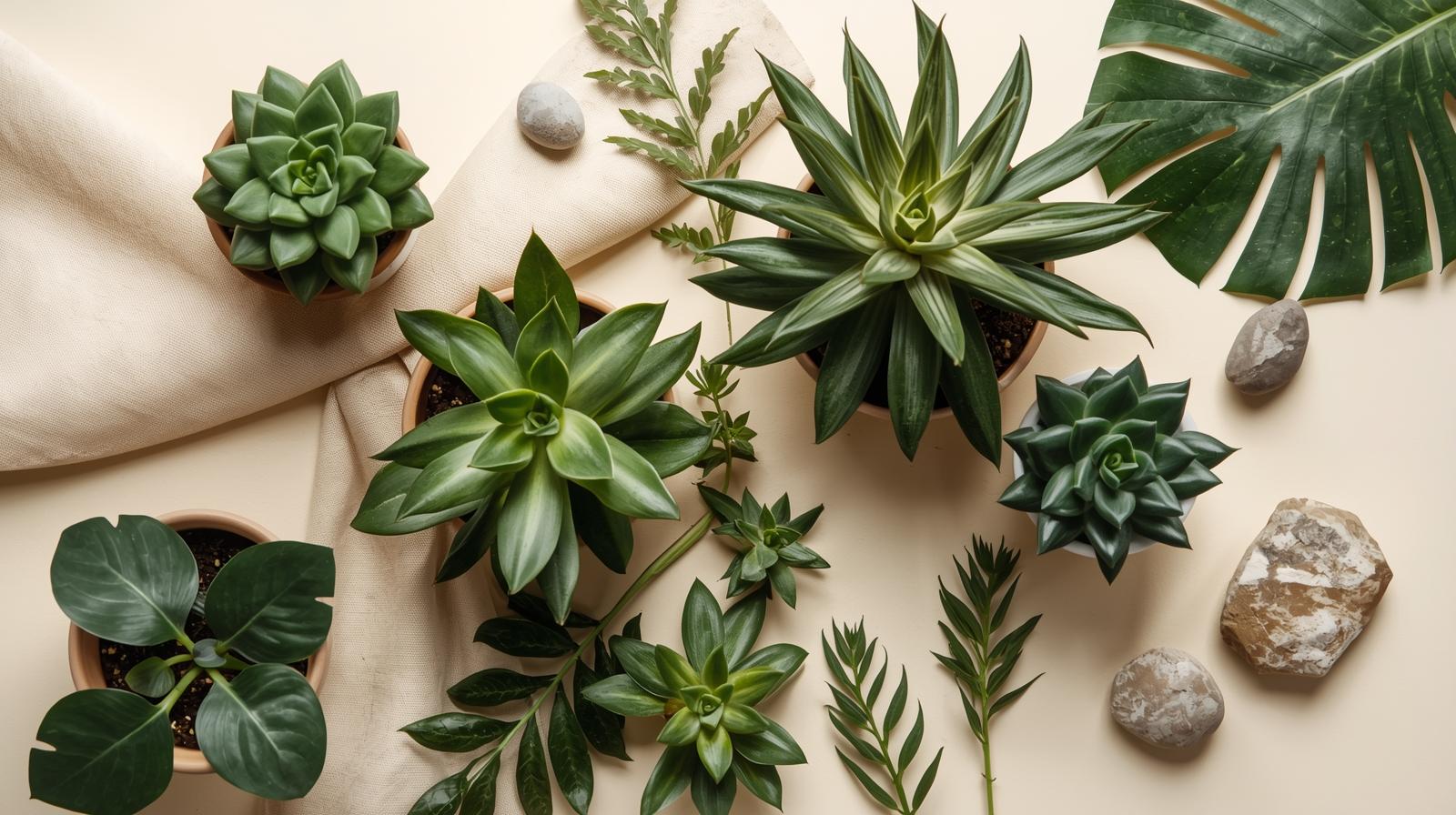
Repotting is often seen as a maintenance task—a dusty, messy obligation. But what if you approached it as a ritual? A moment to reconnect with your plant’s roots, to honor its journey, and to set intentions for the growing season ahead.
Think of it as giving your plant a new room with fresh air, not just a bigger container. The right pot isn’t about size alone—it’s about creating conditions where roots can breathe, expand, and thrive without drowning in excess soil.
Choose a pot only 1–2 inches wider in diameter than the current one. Too much space holds moisture longer than roots can use, inviting rot and stagnation. Growth isn’t about expansion for its own sake—it’s about balance.
In making space for growth, we practice trust—trusting the plant, and ourselves, to adapt.
Wait for the right moment: after the first new leaf appears, when daytime temperatures consistently stay above 60°F, and when your plant shows signs of being root-bound. Rushing this process can shock a plant still emerging from dormancy.
Terracotta breathes; ceramic holds moisture. Match your pot material to your plant’s personality. A succulent or cactus thrives in porous terracotta that wicks away excess water, while a moisture-loving fern prefers the humidity retained by glazed ceramic.
Fresh soil should smell earthy and rich—like forest floor after a gentle rain—not sour, dusty, or stale. That scent is alive with microbes, fungi, and organic matter working in quiet collaboration.
Mix in perlite, pumice, or orchid bark if your plant dislikes “wet feet.” Good drainage isn’t optional—it’s essential for root health. Roots need oxygen as much as water, and soggy soil suffocates them.
Consider these simple, effective blends:
For more on building nourishing, well-structured growing media, explore our foundational soil basics guide.
Water your plant lightly a day before repotting. Hydrated roots are supple and less prone to snapping during the transition. Think of it as offering a drink before a journey.
Gently loosen the root ball with your fingers. Don’t tear or aggressively shake—just encourage the roots to begin exploring outward. If they’re tightly coiled, make a few shallow vertical cuts to stimulate new growth.
Place the plant so the top of the root ball sits just below the rim of the new pot—about half an inch down. Planting too deep traps moisture against the stem, a common cause of rot.
Finish by misting the leaves and placing the pot in bright, indirect light for 3–5 days. This recovery period allows the plant to adjust without the stress of direct sun or drafts.
This isn’t a task to rush through while scrolling on your phone. It’s a moment of presence—of hands in earth, of quiet dialogue between you and your green companion.
As daylight lengthens and temperatures rise, your plants’ metabolism revs up. They begin to drink more, transpire more, and grow more. But “more” doesn’t automatically mean “more often.” True spring care is about responsiveness, not routine.
Watering in spring is like offering a slow sip of tea to someone waking from a long nap. Too much too soon overwhelms; too little leaves them parched. The key is rhythm, not volume.
Stick your finger into the soil. If the top inch feels like dry toast—crumbly, light, warm—it’s time. If it’s still cool and slightly clingy, wait another day. Your finger is your most reliable tool.
True care is responsive, not routine. Let the plant guide you.
Remember: spring care isn’t a one-size-fits-all schedule. It’s a conversation between you, your plant, and your unique indoor environment.
Morning light now dries soil faster than it did in February. Check moisture twice a week instead of once. But don’t water just because it’s “Tuesday”—always test first.
Group plants by water needs. Place thirsty calatheas near a humidifier or in a bathroom with natural light. Keep drought-tolerant snake plants or ZZs by sunny windows where soil dries quickly. This reduces guesswork and honors each plant’s nature.
Use room-temperature water. Cold water from the tap can shock tender new roots, slowing growth or causing stress. Let it sit out overnight, or warm it slightly in your hands.
These plants typically drink more as spring progresses:
For detailed guidance on how to water deeply and effectively, our watering tips article offers gentle, practical techniques.
Not all springs are equal. A cool, cloudy April in Seattle means slower-drying soil than a warm, sunny March in Austin. Your care must adapt to your actual conditions, not an idealized seasonal script.
A wilting fern likely needs water. But a wilting ZZ plant? It might be drowning. Context is everything. Observe the leaves, feel the soil, note the light—then act.
Keep a small journal. Note when you water, how the plant responds, and what the weather was like that week. Over time, patterns emerge—your own personal spring care rhythm.
Remember: your home’s microclimate matters more than the season alone. Radiators, air conditioners, open windows, and even your cooking habits affect humidity and temperature.
Spring care isn’t about rules—it’s about relationship. And like any good relationship, it thrives on attention, not assumption.
Fertilizer isn’t plant food. Plants make their own food through photosynthesis. Fertilizer is more like a vitamin supplement—supportive, but only necessary when growth is active and nutrients are being used.
Think of it as adding seasoning to a simmering stew, not pouring in the main ingredient. Too much overwhelms the delicate balance; too little leaves the dish bland. The right amount enhances what’s already there.
Dilute liquid fertilizer to half-strength, especially in early spring. Tender new roots are sensitive, and strong doses can burn them, causing more harm than good. Start gentle, and increase only if growth is vigorous.
Nourishment should support, not overwhelm. Less is often more.
Wait until you see clear signs of growth—usually 2–4 weeks into consistent spring light—before you even consider fertilizing.
Wait until you see new leaves unfurling or stems extending. That’s your signal that the plant is ready to use extra nutrients. Fertilizing a dormant plant is like giving a sleeping person a protein shake—it goes unused and can cause imbalance.
Start with one feeding per month. If by late spring your monstera is sending out large, glossy leaves weekly, you might increase to biweekly. But most houseplants do beautifully with monthly feedings during the growing season.
Avoid fertilizing newly repotted plants for 4–6 weeks. Fresh potting soil already contains nutrients, and adding more too soon can lead to salt buildup or root burn.
Opt for gentle, organic options that nourish both plant and soil life:
Over-fertilizing creates weak, leggy growth that’s prone to pests and breakage. True strength comes from balance—between light, water, air, and nutrients.

Spring is a time to clear away the old to welcome the new—not just in gardens, but on windowsills and shelves. Dead leaves, dusty surfaces, and leggy stems block light and energy. Removing them isn’t harsh—it’s compassionate.
Like raking leaves from a garden path, pruning and cleaning let light reach what’s emerging. A clean leaf captures more photons. An open stem node invites new growth. Space is a form of care.
Wipe leaves with a soft, damp cloth. Watch how they gleam, how they seem to sigh with relief. Clean leaves aren’t just pretty—they’re functional, efficient, and more resilient.
Letting go of what no longer serves creates room for what’s ready to bloom.
This seasonal clearing is as much for you as for your plants. It’s a physical reminder that renewal requires release.
Snip yellowed or crispy leaves at the base. They’re no longer contributing to the plant’s energy—they’re draining it. Remove them cleanly, with gratitude for their service.
Trim leggy stems just above a node—the small bump where leaves emerge. This encourages bushier growth and redirects energy to new, compact foliage. It works beautifully on pothos, philodendron, and even spider plants.
Rotate pots weekly so all sides receive even light. Plants naturally lean toward the sun; regular turning prevents lopsided growth and keeps them balanced and strong.
Keep these simple tools on hand:
This isn’t about perfection—it’s about honoring your plant’s form and function. Grooming is an act of respect.
What you do now—this quiet tending in early spring—sets the tone for summer’s abundance. A well-repotted, thoughtfully watered, gently fed plant enters the long days of June with resilience, vigor, and grace.
Spring care is not an isolated event. It’s the first note in a seasonal symphony. Each action you take now ripples forward: stronger roots support taller stems; clean leaves fuel faster growth; balanced nutrition builds pest resistance.
And as you care for your plants, you care for yourself. The rhythm of observation, response, and release mirrors our own need for renewal. In tending green life, we remember how to tend our own.
For a full-circle perspective on how care shifts through the year, our seasonal care guide offers gentle reminders for every month.
This spring, let your plant care be slow, sensory, and sincere. The growth that follows will be not just visible—but deeply rooted.