
Bring Zen into Your Space
Bring Zen into Your Space

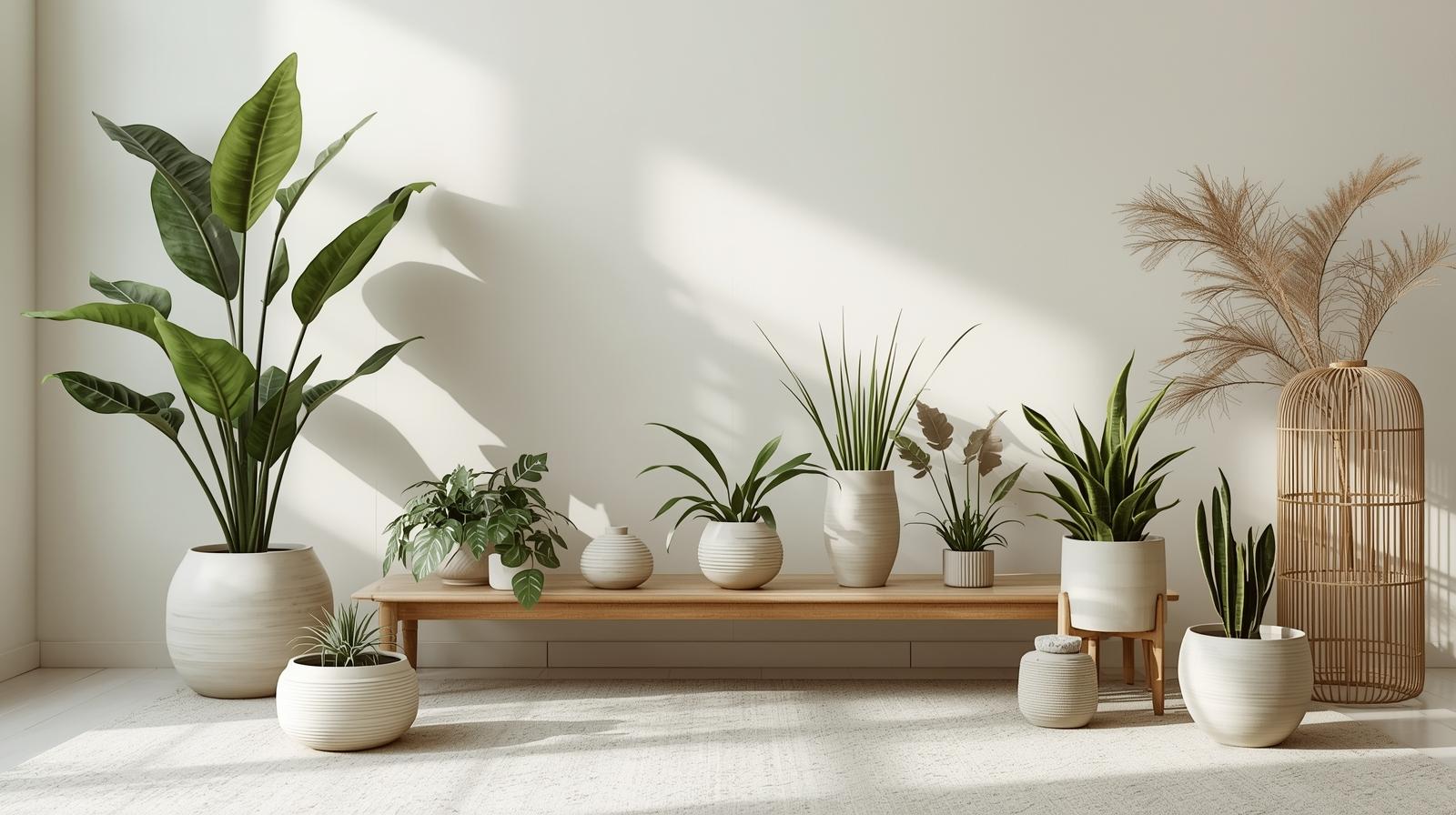
Imagine your home as a living canvas—one that shifts with the rhythm of the seasons, breathing in the crispness of winter, the bloom of spring, the warmth of summer, and the quiet richness of autumn. By thoughtfully incorporating seasonal plants into your decor, you invite nature’s quiet wisdom indoors, creating spaces that feel both grounded and ever-changing. This gentle practice not only refreshes your surroundings but also deepens your connection to the natural cycles that shape our lives.
Bringing seasonal plants into your home is more than an aesthetic choice—it’s a quiet act of alignment with the earth’s turning. As frost blankets the ground or blossoms push through thawing soil, your indoor greenery can echo that same pulse, helping you feel present rather than rushed. This harmony reflects a core Zen principle: living in rhythm with nature, not apart from it.
Choosing the right seasonal plants allows your space to mirror the emotional tone of each time of year. Bare branches in winter speak of rest and potential; flowering bulbs in spring whisper of hope and renewal. These living accents don’t just beautify—they soothe, center, and gently remind us that change is not only inevitable but beautiful.
Spring arrives softly, carrying the promise of new beginnings. In your home, this energy can be honored with light, airy seasonal plants like cherry blossom branches, fragrant hyacinths, or the delicate fronds of young ferns. Place them near east-facing windows where morning light filters in gently, casting dappled shadows that dance with the day’s first warmth.
As daylight lengthens, your plants will drink in the sun with quiet eagerness. Increase watering gradually, and rotate pots weekly so each side receives equal attention—a small ritual that mirrors the care we give to our own unfolding. In this season of potential, tending to your green companions becomes an act of faith in what is yet to bloom.
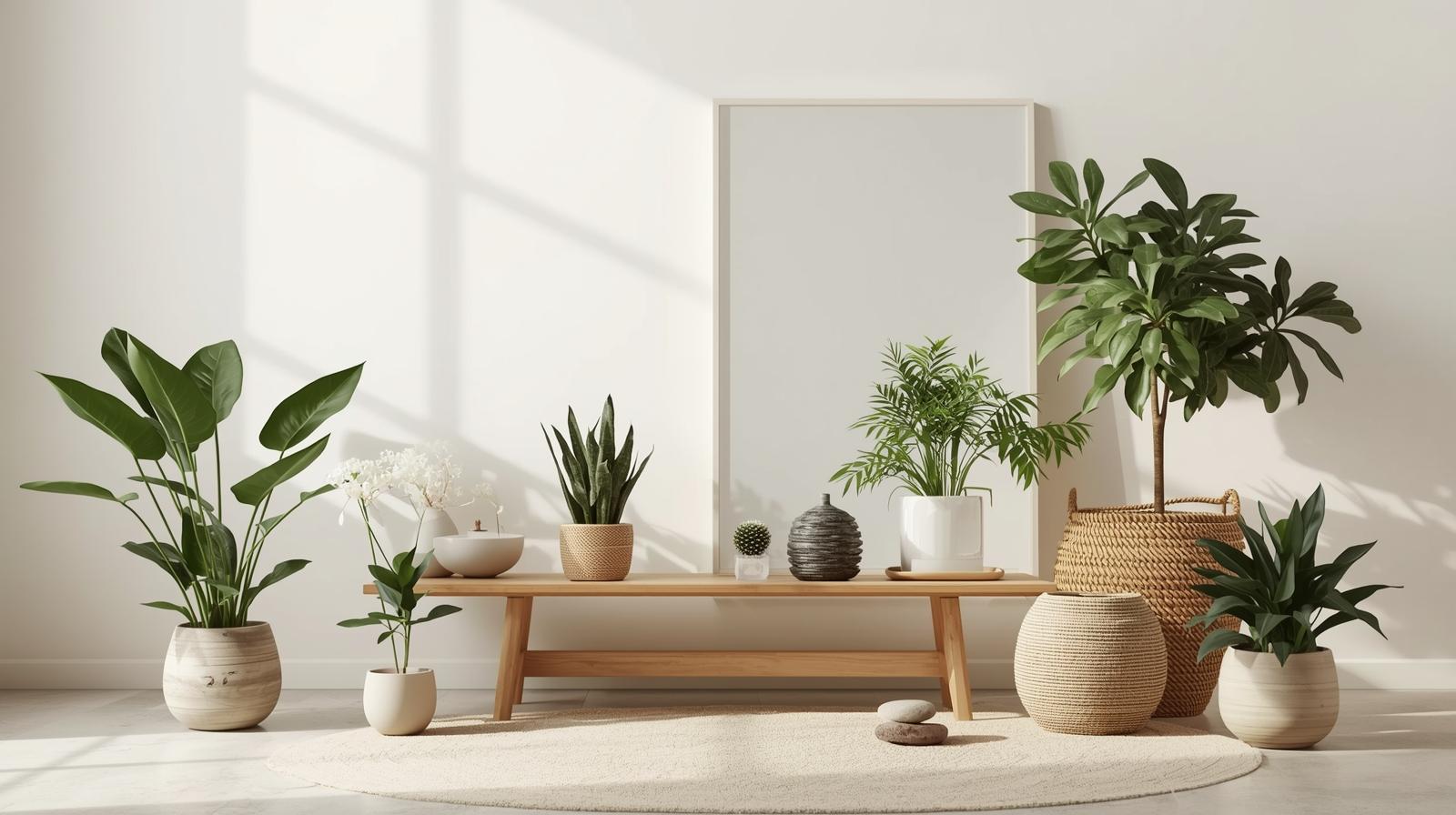
Let your spring arrangements breathe. Choose woven seagrass baskets or pale ceramic pots in soft whites, blush pinks, or seafoam greens—containers that cradle your plants without overwhelming them. Keep compositions minimal: a single stem in a slender vase, or a trio of small pots spaced with intention across a windowsill.
Complement your seasonal plants with natural textiles like undyed linen or lightweight cotton. These materials echo spring’s lightness and create a serene backdrop that lets your greenery shine. For those drawn to deeper harmony in their spaces, consider exploring the Zen approach to plant styling, where simplicity becomes a form of reverence.
Summer is a season of abundance. Indoors, you can welcome its generous spirit with vibrant, sun-loving seasonal plants—hibiscus with their tropical trumpets, dwarf citrus trees heavy with fragrant blossoms, or cascading pothos that spill over shelves like green waterfalls. These plants thrive in the long, golden hours and bring a sense of warmth and vitality to any room.
Caring for them during these bright months is an exercise in mindful stewardship. Mist leaves in dry heat to mimic morning dew, place pots on pebble trays filled with water to boost humidity, and shield sensitive foliage from harsh midday sun. These small gestures honor the plant’s needs while anchoring you in the present moment.
Group your seasonal plants to form living vignettes—perhaps a tall bird of paradise beside a trailing string of pearls, with a potted lemon verbena nestled at their base. Vary heights and textures to echo the layered richness of a summer garden, but avoid overcrowding. Let each plant have room to breathe, just as summer air feels expansive and open.
Beyond their visual lushness, these green companions cool a room not just physically but energetically. Their presence invites you to slow down, to linger over iced tea in the afternoon shade, to embrace the art of doing less. In a world that often demands more, your summer plant sanctuary becomes a quiet rebellion—a space for rest, not rush.
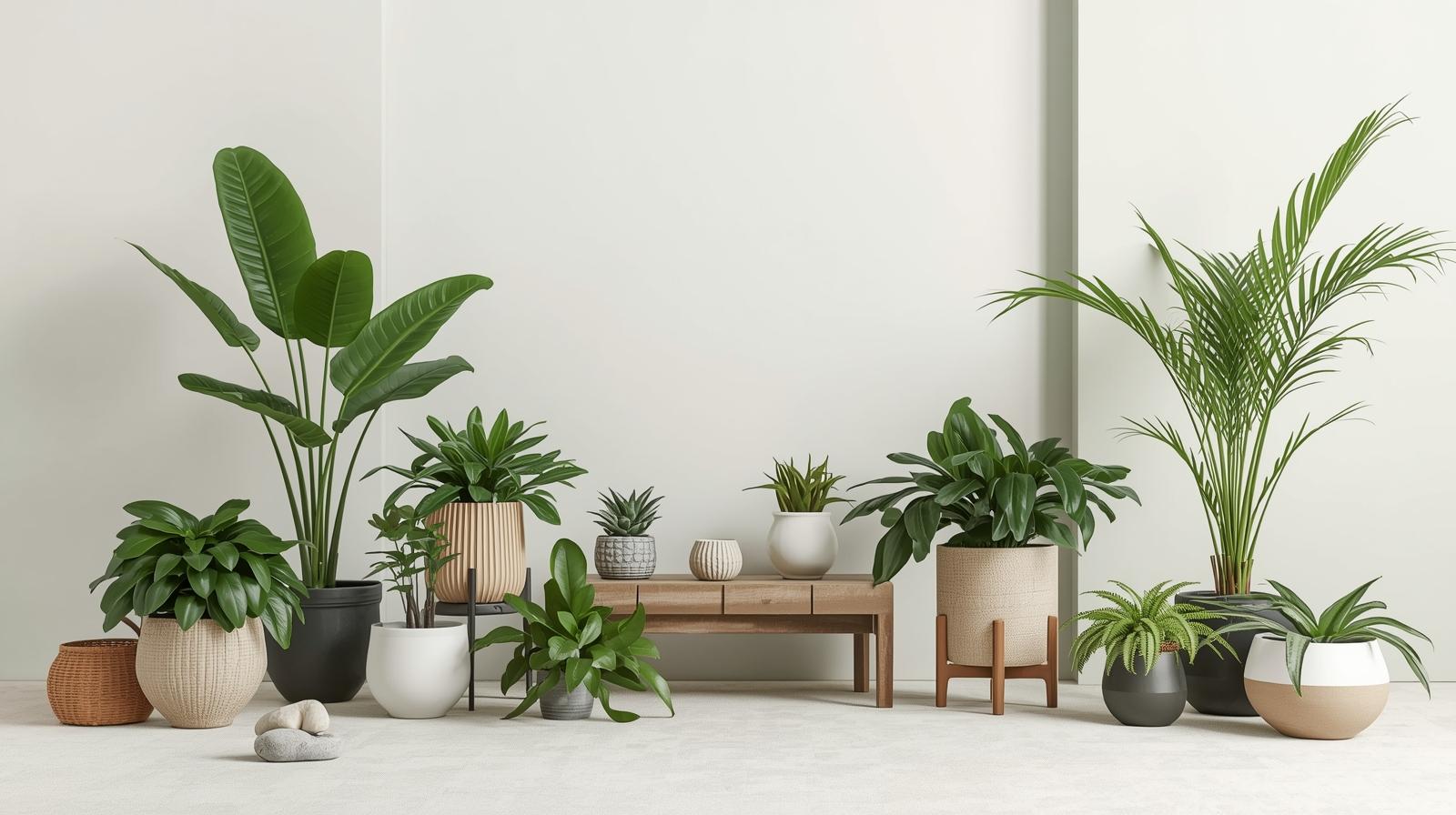
As the light softens and days grow shorter, autumn calls for seasonal plants that reflect its earthy, contemplative mood. Think crotons with their fiery variegation, ornamental peppers bearing jewel-toned fruit, or sprigs of dried pampas grass that whisper with every breeze. These choices bring warmth and texture indoors, echoing the season’s palette of ochre, rust, and deep green.
Autumn is a time of letting go—trees shed leaves, gardens go quiet, and we turn inward. Your indoor plants can serve as gentle anchors during this transition. A potted kalanchoe on the mantel or a cluster of dried eucalyptus stems in a clay jug offers continuity amid change, reminding us that beauty exists even in decay and stillness.
Extend your seasonal decor beyond potted plants. Tuck fallen branches with interesting silhouettes into tall ceramic vases, scatter seed pods along a bookshelf, or weave dried flower stems into simple wreaths. These organic elements require no care yet speak volumes, grounding your space in autumn’s quiet poetry.
As daylight wanes and indoor heating begins, choose low-maintenance seasonal plants that adapt gracefully to changing conditions. Succulents, snake plants, and ZZ plants thrive with less water and lower light—ideal companions for busy autumn days. If you’re seeking effortless greenery that lasts through the season and beyond, revisit our curated list of the top 10 easy plants for steady, unobtrusive beauty.
Winter’s gift is stillness. In your home, honor this hushed season with seasonal plants that embody quiet resilience: a rosemary topiary shaped like a miniature tree, a dwarf conifer in a glazed pot, or winter-blooming jasmine whose starry white flowers scent the air with honeyed calm. These plants don’t shout—they listen, and in their presence, so do we.
Care during winter asks for restraint. Water only when the soil is dry to the touch, keep pots away from cold drafts or overheated radiators, and supplement fading daylight with a soft grow light if needed. These adjustments mirror winter’s invitation: to conserve energy, to rest deeply, and to trust that growth continues beneath the surface.
Let emptiness speak. A single sculptural succulent on a wooden tray, a shallow bowl of forced paperwhites on a dining table, or a bare-branched bonsai on a windowsill—these sparse arrangements reflect the Zen value of ma (negative space), where what is absent holds as much meaning as what is present. Winter decor isn’t about filling; it’s about focusing.
Place a small seasonal plant where you pause each day—a meditation cushion shelf, a bedside table, or the corner of your writing desk. In that quiet spot, it becomes more than decor; it’s a companion in stillness. For those refining their personal spaces with intention, our guide to home plant styling offers gentle principles for creating sanctuaries that support your inner rhythm.
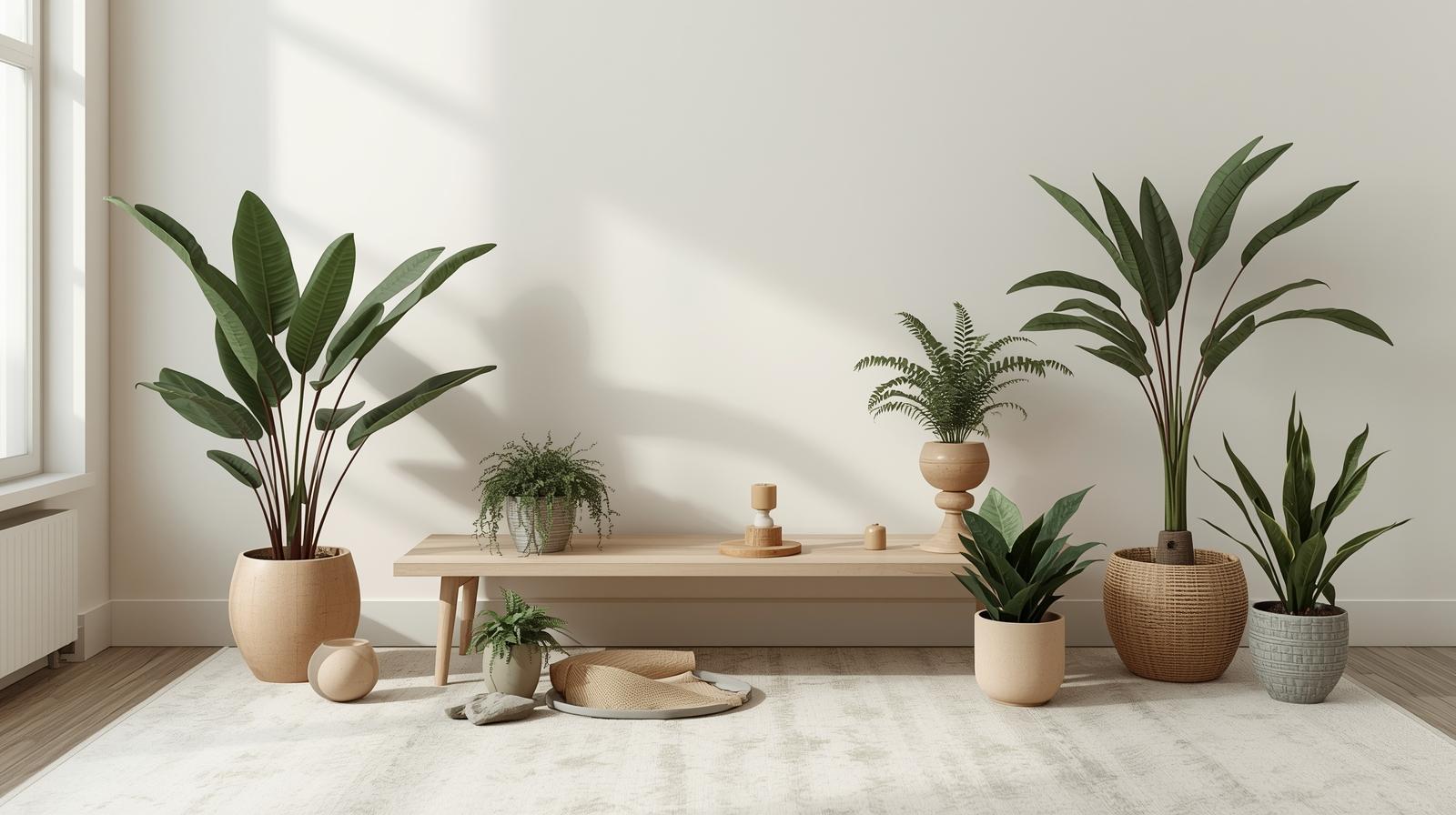
Seasonal plant decor isn’t about constant upheaval—it’s about subtle shifts that honor time’s passage. Rotate your greenery with the solstices and equinoxes, or simply when you feel your space needs a breath of change. Observe how light moves through your rooms across the year; a south-facing window in summer may become a dim corner in winter, and your plants will thank you for noticing.
Choose containers that complement, not compete. Unglazed terracotta, matte ceramics, or smooth river stones in neutral tones let your seasonal plants remain the focal point. Avoid trendy pots that distract; instead, select vessels that feel timeless, like the seasons themselves.
Most importantly, let your intuition guide you. If a spring fern feels right in your autumn living room, trust that. Seasonal styling is not rigid—it’s a dialogue between your home and the turning world outside. Let it unfold slowly, without pressure, like a leaf unfurling in its own time.
To tend to seasonal plants is to practice presence. Each bare branch in winter holds the memory of summer leaves; each spring bud carries the promise of future shade. In their quiet constancy and gentle change, they teach us to move with the year rather than against it—to find peace in transition, beauty in decay, and hope in renewal.
Let your home become a sanctuary that breathes with the seasons, not a fortress sealed against them. In this rhythm, you may discover that the most profound decor isn’t arranged—it’s lived.