
Bring Zen into Your Space
Bring Zen into Your Space

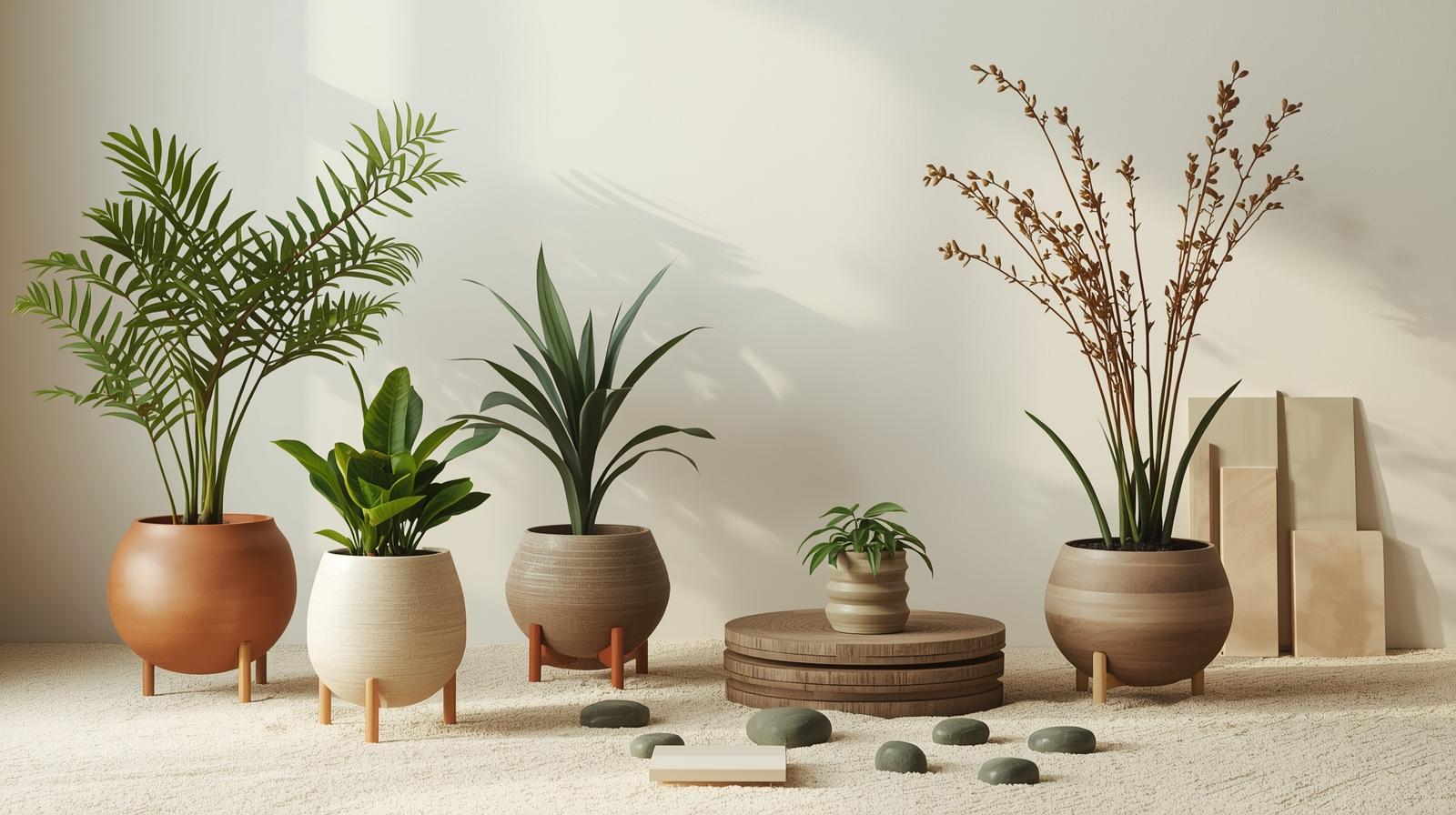
Choosing a pot for your plant is more than a practical decision—it’s an act of care, an extension of your space, and a quiet dialogue between nature and nurture. The right plant pot not only supports your plant’s health but also honors its presence in your home with intention and grace.
A pot is more than a container—it’s a home. It shapes how your plant breathes, drinks, and grows. The right plant pots create harmony between function and form, ensuring roots stay healthy while the vessel itself adds calm to your space.
When we choose a pot with mindfulness, we acknowledge that this small object holds life. It becomes a quiet companion in our daily rituals—morning coffee beside a peace lily, evening light filtering through a fiddle leaf fig in a matte ceramic vessel.
Thoughtful plant pots contribute not only to thriving greenery but also to serene interiors. They invite us to slow down, observe, and respond to what our plants truly need.
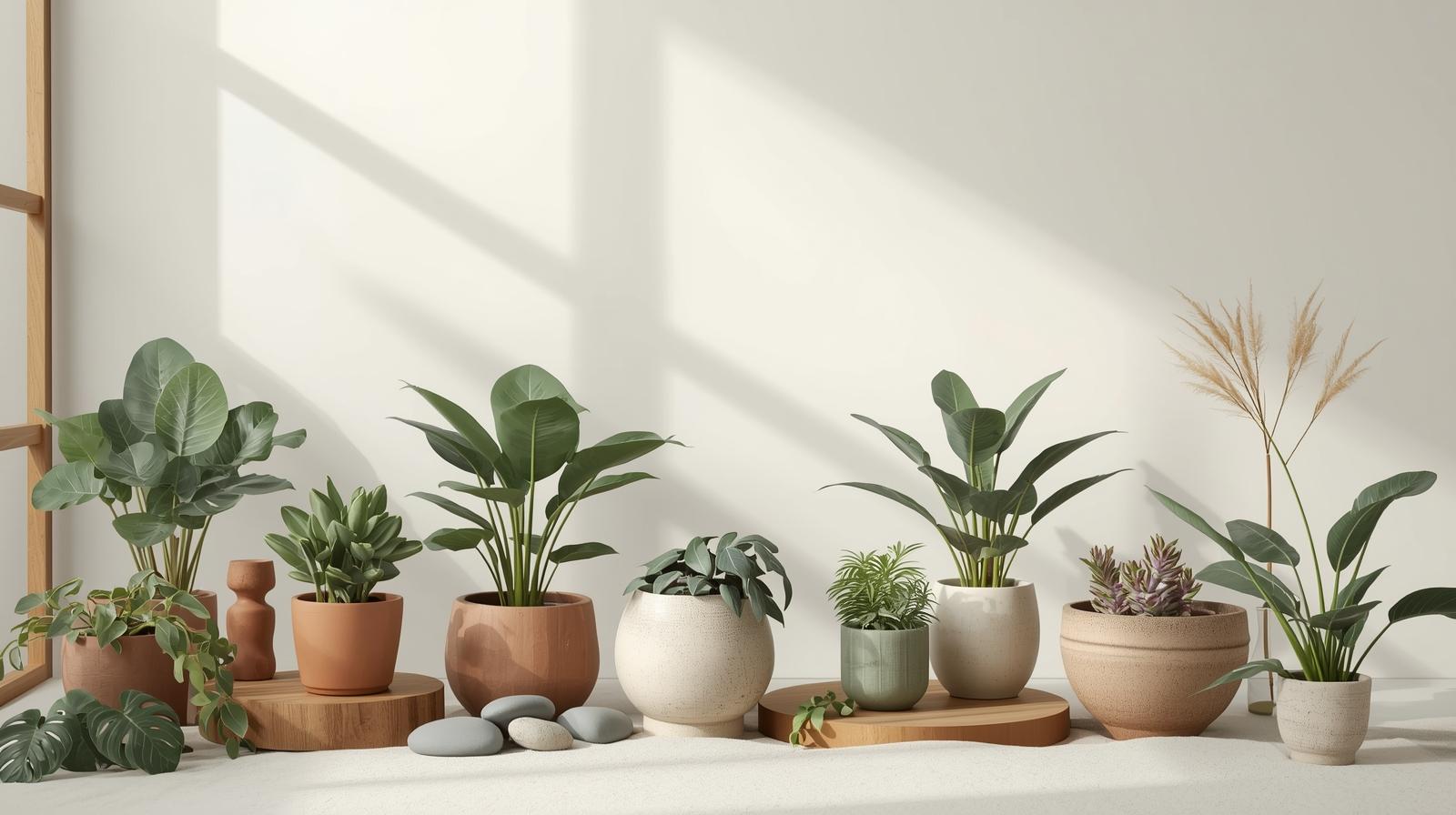
Not all plants ask for the same things. Some crave dry soil and bright sun, while others thrive in humidity and shade. The pot you choose must honor these differences, or your plant may quietly suffer.
Consider succulents: their shallow roots and love of dryness demand a porous, well-draining pot. Ferns, on the other hand, prefer consistent moisture and benefit from a pot that retains water without suffocating roots.
Fast-growing plants like pothos or monstera may need repotting every year, while slow-growers like snake plants can stay content in the same vessel for years. Matching the pot to the plant’s natural rhythm prevents stress and encourages quiet resilience.
Drainage holes are the unsung heroes of plant care. Without them, water pools at the bottom, drowning roots and inviting rot. For most houseplants, a pot with at least one drainage hole is essential.
Yet many beautiful pots—glazed ceramics, statement planters, or vintage finds—lack this feature. In such cases, a simple solution is to nest your plant’s nursery pot inside the decorative one. This “double-potting” method preserves aesthetics while protecting health.
Some suggest adding gravel or stones to the bottom of a non-draining pot, but this can actually trap water rather than improve flow. If you choose this route, water sparingly and always tip out excess after a few minutes. Even then, it’s a compromise—not a cure.
Size matters, but not in the way you might think. A pot too large holds excess soil that stays wet too long, encouraging mold and root decay. One too small restricts growth and dries out too quickly.
The “two-inch rule” offers gentle guidance: choose a pot only 1–2 inches wider in diameter than the plant’s current root ball. This gives just enough room to grow without overwhelming the roots with unused soil.
This principle echoes a deeper truth: in plant care, as in life, balance is everything. Neither scarcity nor excess serves us well. The perfect pot offers space to expand—without losing its sense of groundedness.
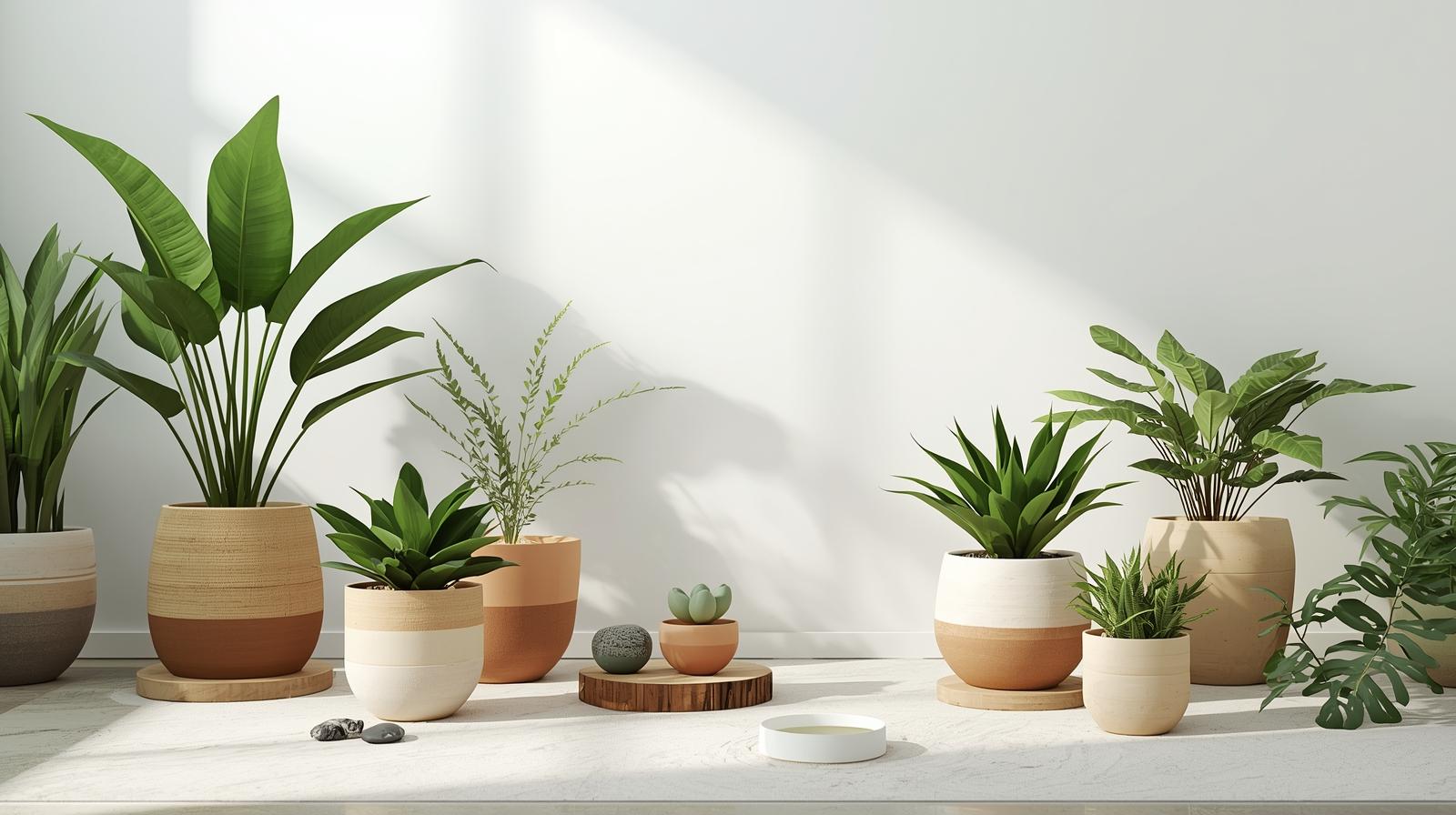
Every pot material carries its own quiet energy. Terracotta, unglazed and porous, breathes with the plant—drawing moisture from the soil and echoing the warmth of sunbaked earth. It’s humble, honest, and perfect for desert-loving species.
Ceramic, especially when glazed, offers smooth calm and retains moisture beautifully. Its weight lends stability to tall plants, and its versatility—from matte white to soft celadon—makes it a natural fit for minimalist spaces.
Concrete pots possess quiet strength. Heavy and enduring, they suit architectural plants like ZZ or olive trees. Yet they can be alkaline, so lining them or choosing pre-sealed versions protects sensitive roots.
Plastic and fiberglass are lightweight and practical, ideal for hanging planters or high shelves. Though less “natural” in feel, they can be chosen mindfully—opt for muted tones and simple shapes that don’t distract from the plant itself.
Your home’s climate shapes which materials thrive. In dry, heated apartments, terracotta may dry out too fast for moisture-loving plants. Here, a glazed ceramic pot slows evaporation and offers consistency.
In humid bathrooms or kitchens, porous materials like unglazed clay can stay damp too long, encouraging mold. A sealed ceramic or plastic pot manages moisture more predictably in these spaces.
Consider placement too. Lightweight plastic or fiberglass works well for hanging macramé planters or high shelves where weight matters. For floor plants that anchor a room, a heavier ceramic or concrete pot adds visual and physical stability.
A pot should never shout. Its shape, color, and texture should support the plant—not compete with it. A trailing string of pearls needs a simple, shallow bowl; a sculptural bird of paradise deserves a tall, unadorned cylinder.
Neutral tones—soft whites, warm beiges, muted grays—create visual rest. They let the greenery take center stage while tying into your room’s overall palette. Even bold plants feel calmer when housed in understated vessels.
When arranging multiple plants, vary pot heights and shapes to create gentle rhythm—but keep materials or colors cohesive. This approach fosters unity without uniformity. For more on weaving plants into your space with intention, explore our guide to home plant styling.
Each room in your home has its own light, humidity, and energy. Your pot choices should respond to these subtle shifts.
On windowsills, where light is abundant but space is narrow, shallow pots with drainage keep herbs or small succulents happy. In bathrooms, choose moisture-resistant materials like glazed ceramic for ferns or peace lilies.
For desks and workspaces, compact pots in calming tones—think matte white ceramic or soft gray concrete—anchor your focus without distraction. The right vessel holds not just a plant, but a moment of calm amid the day’s demands. If you’re designing a mindful workspace, consider our tips for choosing desk plants that thrive in small, intentional settings.
Shelves invite layering. Mix small terracotta pots for cacti with slender ceramic cylinders for snake plants. Keep scale in mind—tiny pots get lost on deep shelves, while oversized ones overwhelm. Let each plant have room to breathe, both physically and visually.
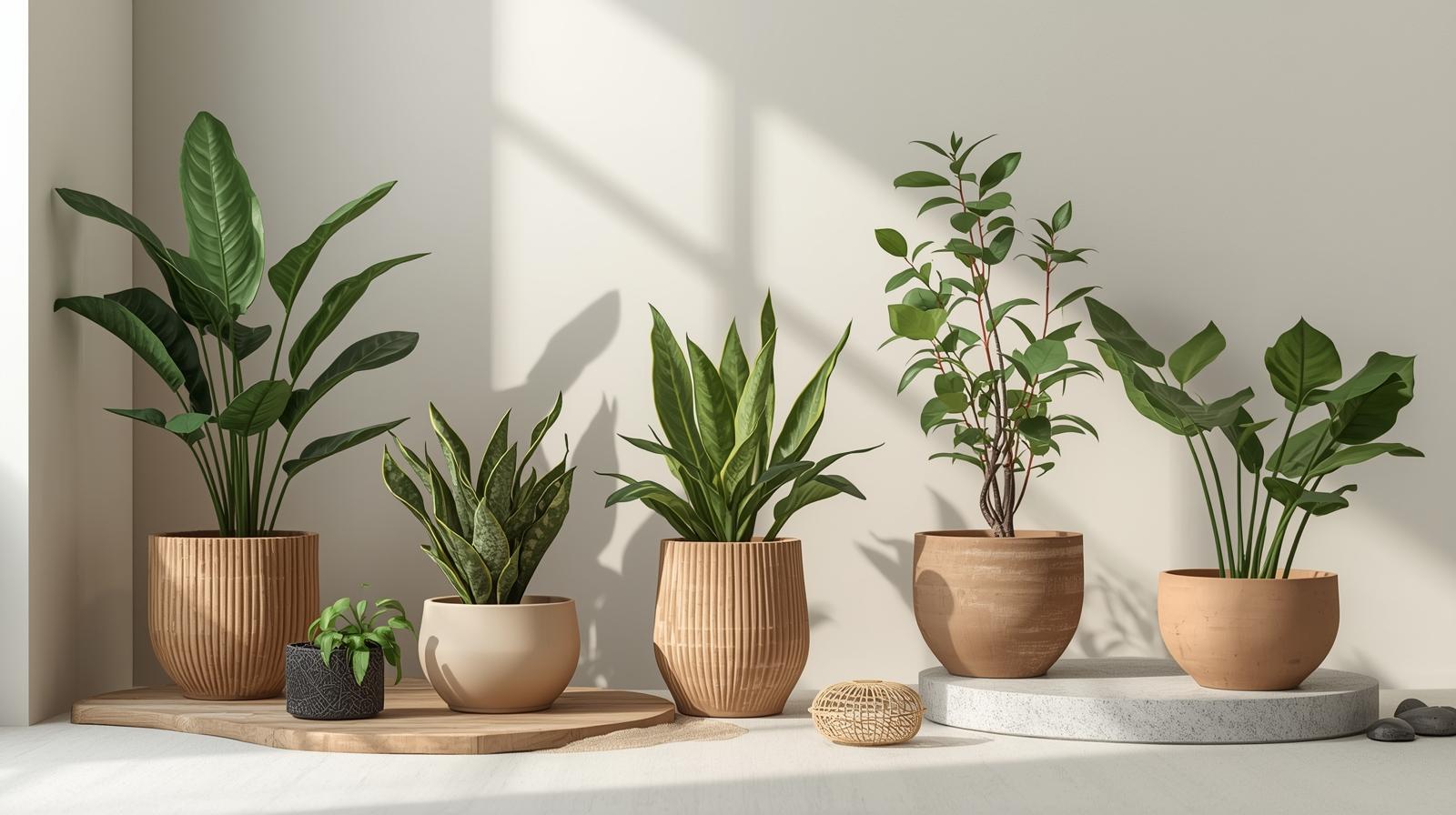
Repotting is not a chore—it’s a ritual. It’s a chance to check in, to see how your plant has grown, to clear away old soil and make space for new life. Approach it with clean hands, a quiet mind, and soft music if it helps you settle.
Signs it’s time: roots circling the surface, water rushing straight through without absorption, slowed growth despite good light, or the plant seeming top-heavy in its home. These are gentle whispers, not alarms.
When you choose the next pot, don’t rush. Hold it in your hands. Imagine your plant living there. Does it feel right? Does it offer what your plant needs—not what you wish it needed? This moment of pause is where true care begins.
In Zen aesthetics, emptiness is not absence—it’s presence made visible. The space around a plant is as important as the plant itself. A single pot on a wooden stool, surrounded by air, becomes a meditation object.
Avoid clustering too many pots on one shelf. Instead, let each one stand alone, framed by negative space. This gives the eye—and the spirit—room to rest. The plant is seen fully, not as part of a crowd but as an individual presence.
When you arrange your green companions, think like a curator, not a collector. Less is more. Silence speaks louder than noise. To deepen this practice, explore the Zen approach to plant styling, where simplicity becomes a form of reverence.
The perfect pot isn’t found in a catalog or dictated by trends. It’s discovered through listening—through watching how your plant moves toward the light, how its leaves respond to watering, how it settles into its corner of your world.
Choosing a pot is an act of alignment: between plant and person, function and form, earth and interior. It’s a small decision that echoes with intention.
Next time you hold a pot in your hands, pause. Feel its weight, its texture, its quiet potential. Consider not just what it holds, but what it expresses—about your values, your space, and the gentle rhythm you wish to cultivate.
In caring for plants, we care for ourselves — quietly, patiently, and with love.