
Bring Zen into Your Space
Bring Zen into Your Space

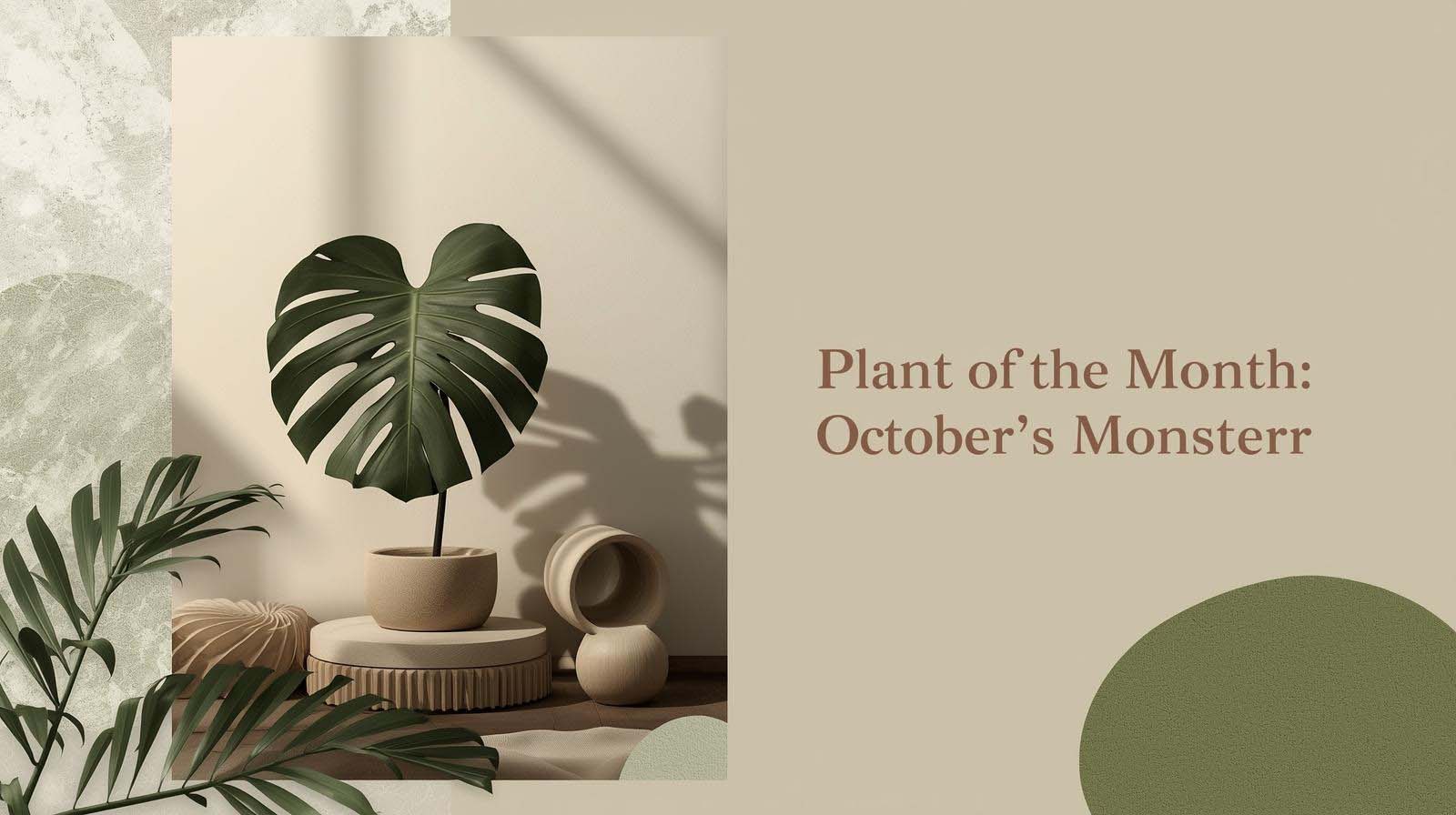
October arrives wrapped in amber light and crisp stillness—a month that invites us to turn inward, to slow our breath, and to notice the quiet grandeur of nature’s final flourish before winter. In this hushed transition, the Monstera stands not as a mere houseplant, but as a living sculpture of resilience, its fenestrated leaves casting lace-like shadows that dance with the low autumn sun.
There’s a reason certain plants feel like seasonal companions rather than just decor. In October, the Monstera emerges as a quiet muse—not because it shouts for attention, but because it holds space with grace. Its presence is steady, its form bold yet serene, echoing the introspective mood that autumn stirs within us.
Unlike summer’s exuberant blooms or spring’s tender sprouts, October asks for depth over dazzle. The Monstera answers with structure, history, and a kind of botanical wisdom that feels ancient and grounding. It doesn’t need to flower to be beautiful; its leaves alone tell a story of growth, adaptation, and quiet strength.
This is the month when daylight softens and days contract. We crave anchors—things that help us feel rooted as the world outside sheds its layers. The Monstera, with its broad, sculptural foliage and patient rhythm, becomes that anchor.
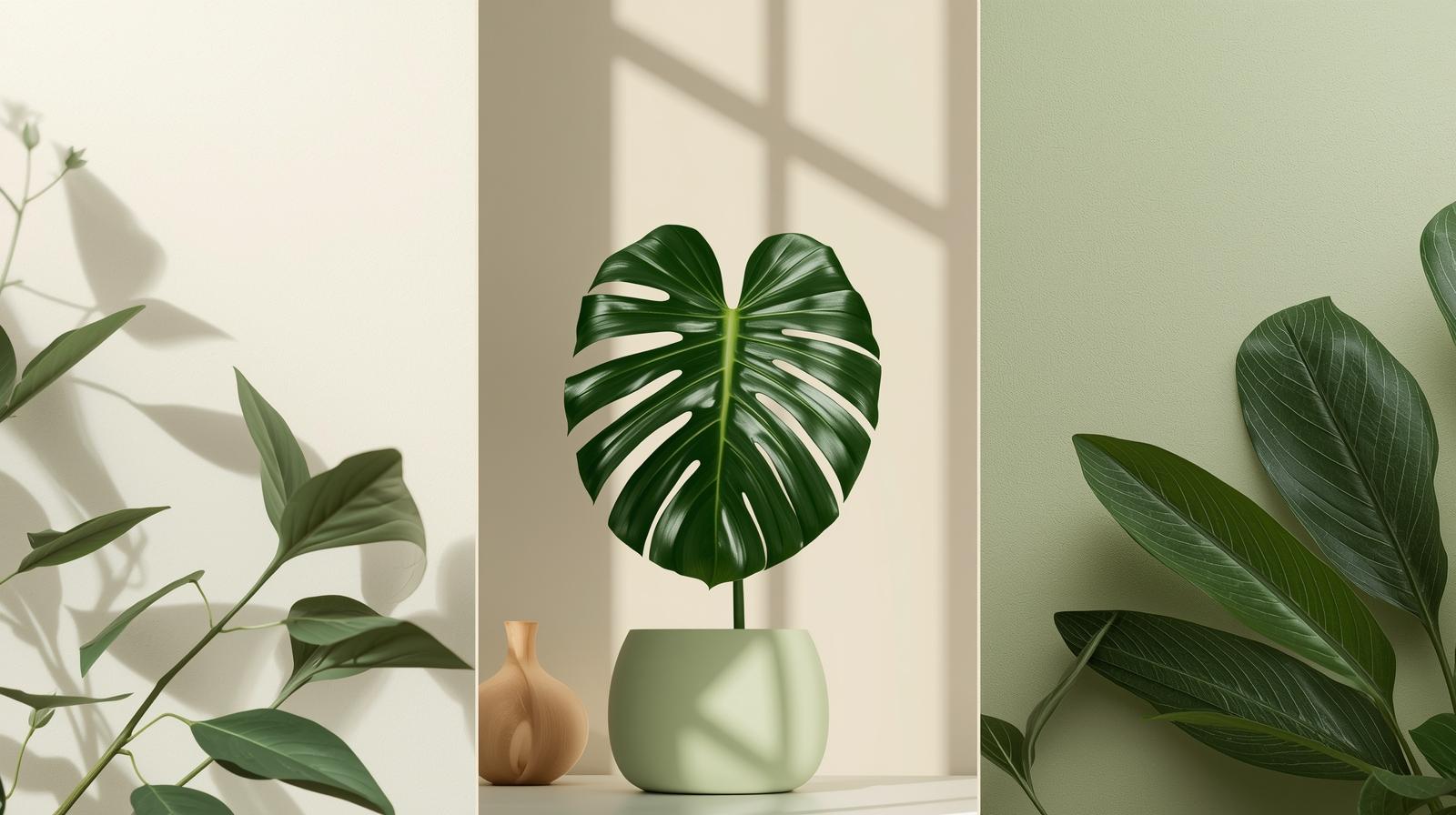
The Monstera’s fenestrations—those graceful splits and holes—are more than a botanical quirk. They mirror the way October light filters through thinning canopies: fragmented, golden, full of quiet revelation. Each perforation is like a window cut into the leaf, letting light pass through in patterns that shift with the day’s arc.
In many cultures, the Monstera symbolizes abundance, longevity, and deep roots. But in October, it takes on a subtler meaning: the elegance of letting go. Just as trees release their leaves without regret, the Monstera’s natural “holes” remind us that absence can be as meaningful as presence.
Place your Monstera near an east-facing window this month to catch the soft morning sun—it will highlight the leaf perforations like stained glass, turning your windowsill into a chapel of light and leaf.
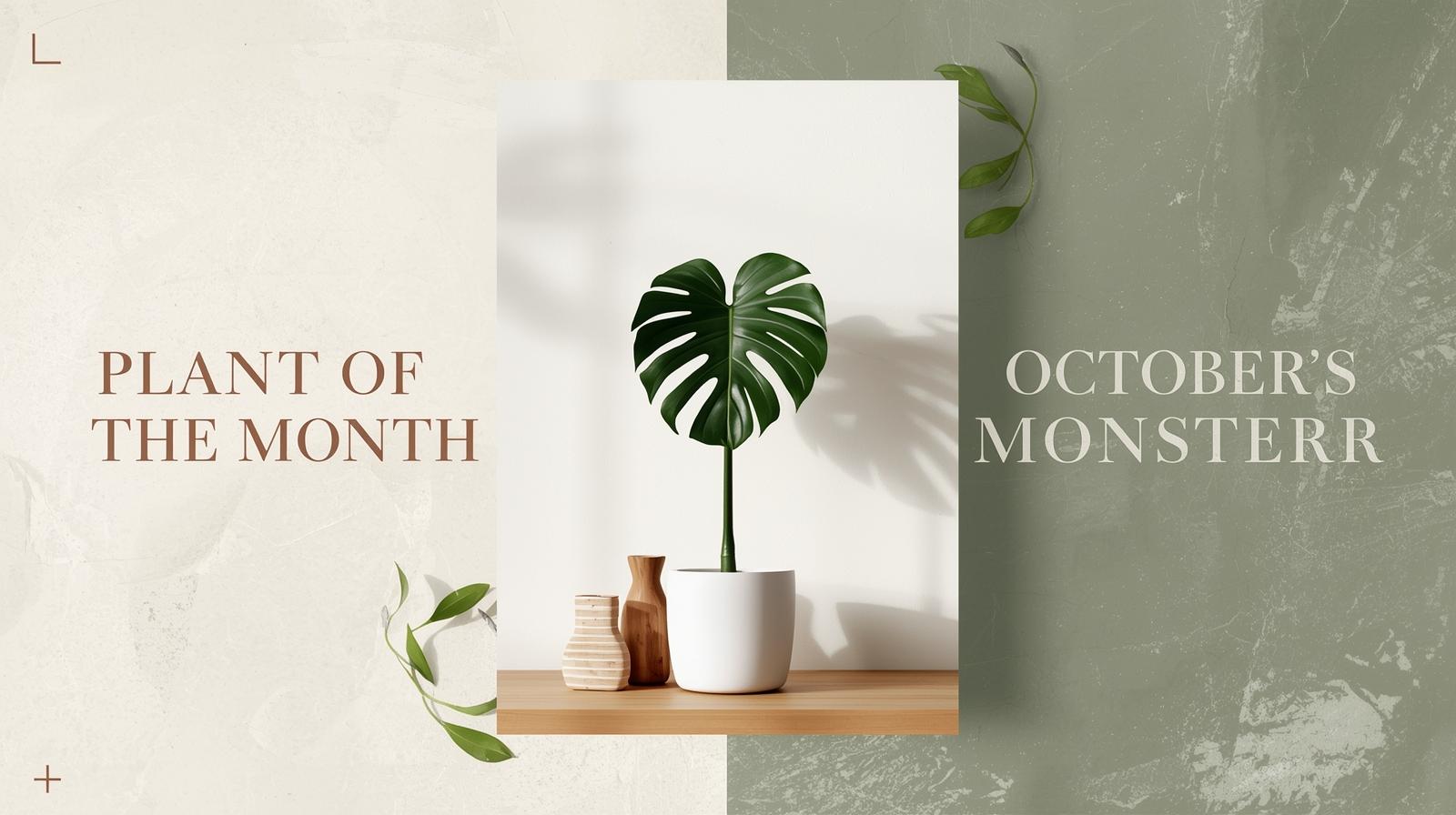
Unlike delicate spring blooms that flutter and fade, October calls for botanical companions with structure and soul—plants that hold space without demanding attention. The Monstera fits this role perfectly. Its large, architectural leaves offer visual weight that balances the season’s increasing emptiness: bare branches, gray skies, and the quiet hush of falling leaves.
There’s something deeply comforting about its solidity. In a world that feels increasingly transient, the Monstera remains—a slow, steady presence that doesn’t flinch at the turning of the year. Its growth is measured, deliberate, never frantic.
This rhythm echoes the season’s own invitation to decelerate: no frantic blooming, just quiet expansion. It’s a living embodiment of zen aesthetic—imperfect, asymmetrical, and deeply alive in its wabi-sabi beauty.
As daylight wanes and indoor air dries, Monstera care shifts subtly—less about feeding, more about listening. October is not a time for intervention, but for attunement. The plant’s needs soften, just as our own rhythms slow in response to shorter days and cooler air.
Now is the season to observe rather than act. Watch how the light falls across its leaves in the late afternoon. Notice the slight pause in new growth. Feel the difference in soil moisture. These small acts of attention are themselves a form of care.
Caring for your Monstera in October isn’t about doing more—it’s about doing less, but with greater intention. It’s a practice in restraint, in trust, in honoring the natural ebb and flow of life.
Water less frequently now: the soil should dry halfway down between waterings. Stick your finger into the pot—don’t rely on a calendar. In autumn’s cooler temperatures, evaporation slows, and overwatering becomes the greatest risk.
Morning light is gentler and more valuable in October. Position your Monstera where it can soak up those first golden rays, then rotate it weekly so all sides receive equal attention. This prevents lopsided growth and keeps the plant balanced, both physically and energetically.
Watch for drooping leaves—they may signal thirst, but in autumn, they often just need a humid boost rather than more water. The air indoors is drying as heating systems kick on, and your Monstera feels it deeply.
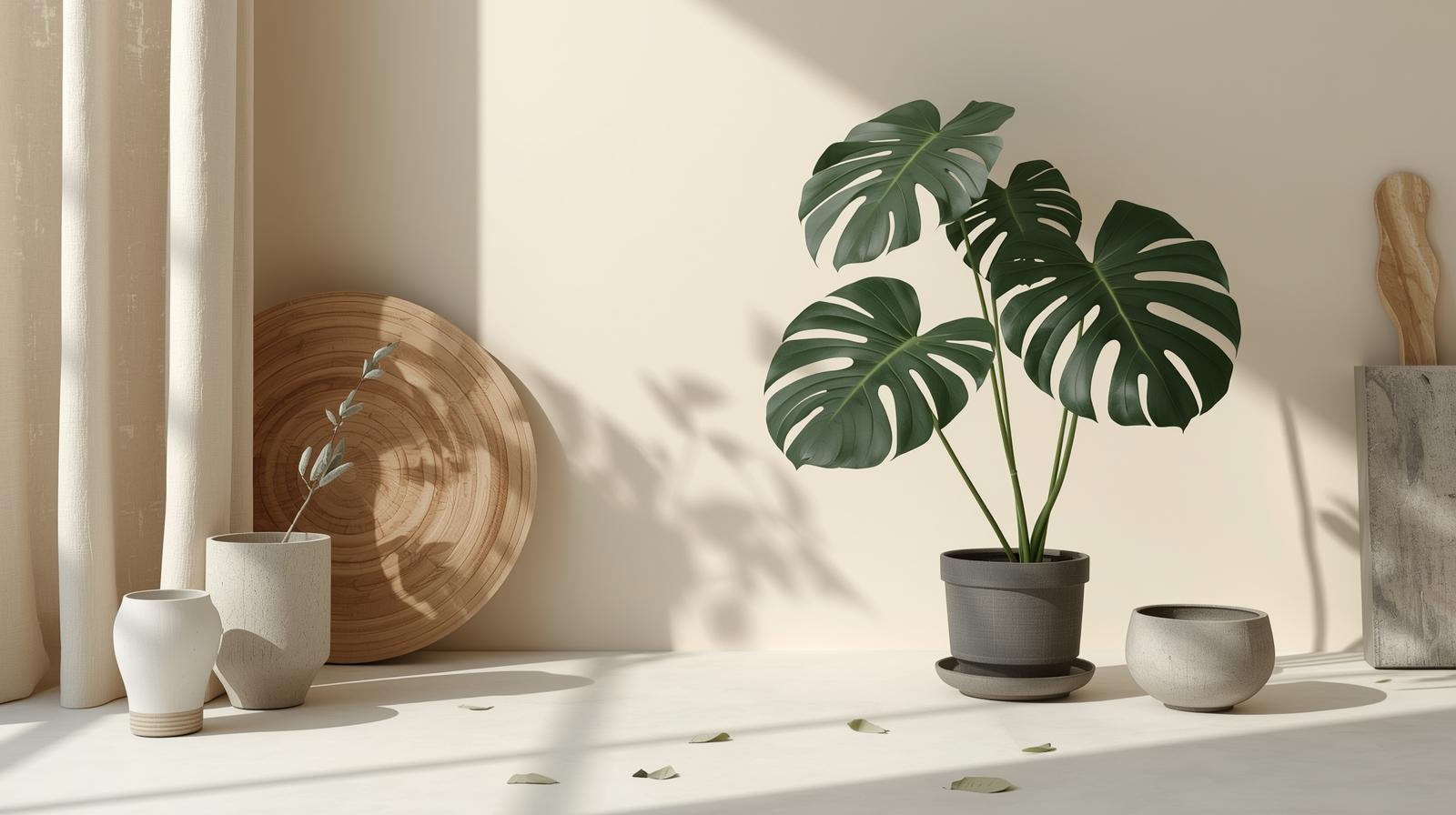
As heaters flick on, indoor humidity plummets—sometimes dropping below 30%. Mist your Monstera two to three times weekly, or place it on a pebble tray filled with water. The evaporating moisture creates a microclimate that mimics its tropical origins.
Avoid placing it near radiators or drafty windows. Monstera prefers stability, much like our own need for routine in transitional seasons. Sudden temperature swings—hot air from a vent one moment, a cold draft the next—can cause stress that shows up as brown leaf tips or stunted growth.
Listen closely: the rustle of dry leaves against each other is a subtle cue. It’s the sound of friction, of imbalance. When the air is too dry, even the plant’s own movements become strained.
For a deeper dive into managing these seasonal shifts, our seasonal care guide offers month-by-month strategies for keeping your green companions thriving through every turn of the year.
In a season prone to melancholy and distraction, the Monstera becomes more than a plant—it becomes a ritual object. Its presence invites pause. Its slow growth models patience. Its very form—a spiral of unfolding leaves—echoes the cyclical nature of time and self.
Autumn can feel like a threshold: summer’s energy recedes, winter’s stillness approaches. In this in-between space, we need gentle reminders to stay present. The Monstera offers that. A daily glance, a weekly wipe of its leaves, a mindful watering—these small acts become meditative anchors.
Caring for it isn’t a chore; it’s a conversation. And in October, when the world outside grows quieter, that conversation feels especially sacred.
Begin your day by checking your Monstera: wipe a leaf with a damp cloth, notice new growth, breathe deeply. There’s something profoundly centering about this simple act. The coolness of the cloth, the smoothness of the leaf, the quiet focus required—it all pulls you out of your head and into your body.
This act becomes a micro-meditation—grounding you before the day’s demands rush in. You’re not just cleaning a leaf; you’re clearing space within yourself. The Monstera receives your care, and in return, it offers stillness.
The dew-like sheen on a freshly wiped leaf mirrors the clarity you seek in your own mind. For a few moments, there is only this: leaf, cloth, breath.
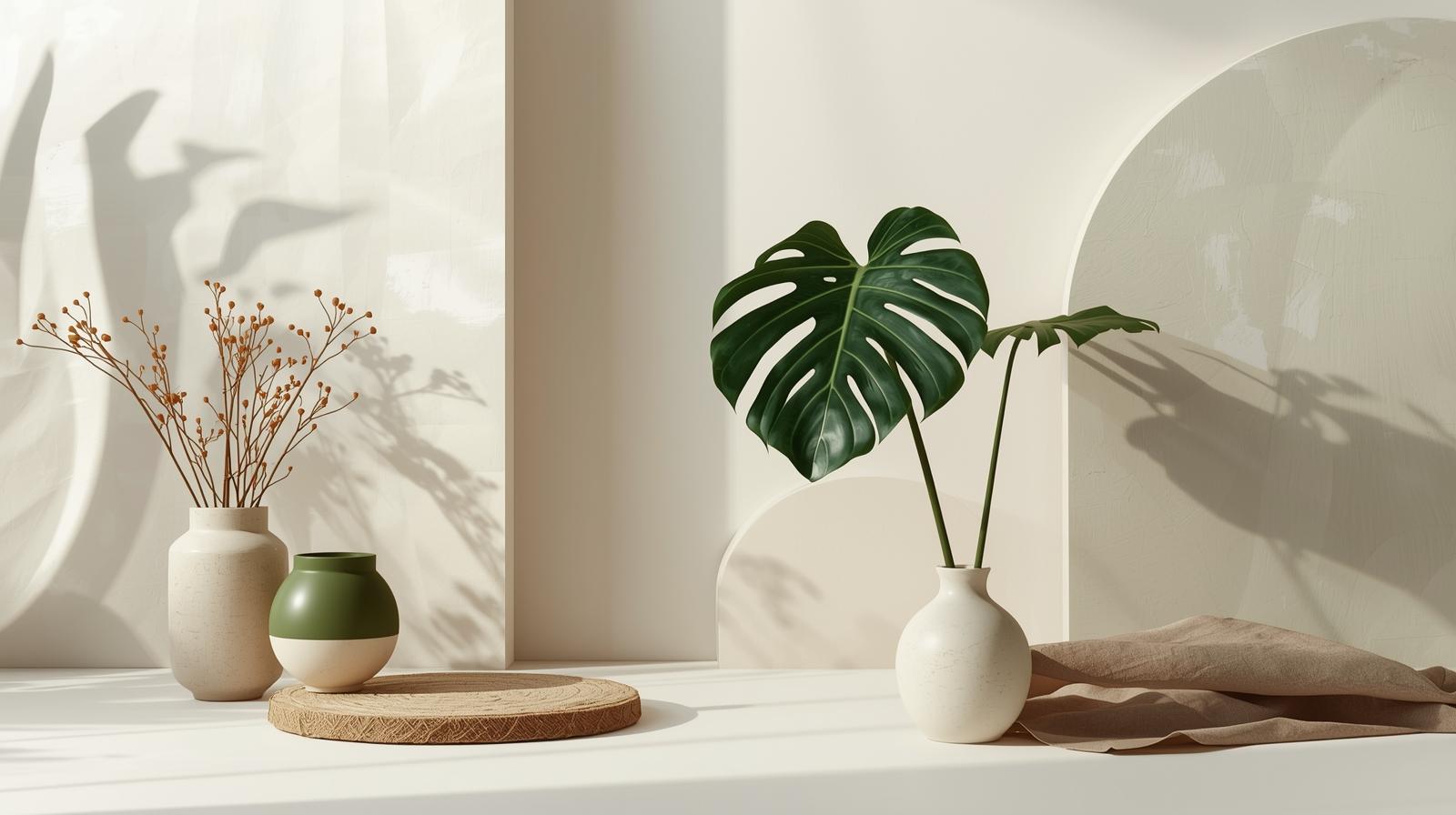
Monstera enters a semi-dormant phase in fall—growth slows, energy turns inward. Let this mirror your own seasonal shift. Just as the plant conserves its resources, so too might you choose to conserve your energy: saying no to extra commitments, prioritizing rest, honoring your own need for quiet.
Resist the urge to over-fertilize or repot; October is not a time for forcing, but for tending. Growth doesn’t always mean visible change. Sometimes, the most important work happens beneath the surface—in roots, in soil, in silence.
Watching a new leaf unfurl slowly over weeks teaches patience—a skill autumn cultivates in us all. It reminds us that not everything needs to happen now.
For more on honoring this natural rhythm, revisit our detailed Monstera care guide, which emphasizes seasonal attunement over rigid rules.
Styling your Monstera for October isn’t about decoration—it’s about harmony. This is the season of warm neutrals, natural textures, and spaces that invite stillness. Your plant should feel like an extension of that mood, not a contrast to it.
Think of your Monstera as a living sculpture. Its form is bold enough to stand alone, yet soft enough to blend into an autumnal palette. The goal isn’t to “display” it, but to integrate it—so it feels like it’s always belonged in that corner, that light, that moment.
In October, less is more. Let the plant speak for itself. Surround it with elements that echo its earthiness, not compete with it.
Pair your Monstera with raw wood stands, unglazed terracotta pots, or woven baskets—materials that echo autumn’s earthiness. These textures ground the plant, connecting it to the season’s palette of soil, bark, and stone.
Avoid bright or synthetic colors; let the Monstera’s deep green stand against warm neutrals: oat, clay, moss, or soft charcoal. These tones don’t distract—they deepen. They create a backdrop where the plant’s form can truly shine.
And don’t overlook the beauty of impermanence. A single fallen leaf on a linen tablecloth becomes an impromptu still life—ephemeral, honest, quietly poetic.
Designate a quiet corner with your Monstera as the focal point—a place for journaling, tea, or silent sitting. Choose a spot where the morning light grazes its leaves, where you can see its silhouette against the wall in the evening.
Add a small stool or floor cushion; let the plant’s height draw your gaze upward, encouraging breath and posture alignment. There’s something inherently uplifting about looking up at a plant—literally and metaphorically.
In this space, the Monstera isn’t just seen—it’s felt, as part of your emotional landscape. As your chosen October plant, the Monstera becomes more than foliage—it becomes a companion.
Even seasoned plant parents can misread autumn’s cues. October’s transitional nature—cooling air, shifting light, indoor heating—creates conditions that are easy to misunderstand. The biggest mistakes aren’t born of neglect, but of well-intentioned overcare.
Remember: your Monstera doesn’t need more from you right now. It needs you to listen more closely, to trust its signals, to resist the urge to “fix” what isn’t broken. Autumn is a season of subtlety, and so is Monstera care.
With gentle awareness, these common pitfalls become opportunities for deeper connection.
The biggest fall mistake: assuming your Monstera needs the same water as in summer. It doesn’t. Cooler temperatures and lower light mean slower evaporation and reduced metabolic activity. Watering on a summer schedule now is a fast track to root rot.
Soggy soil in cool temps invites root rot—a silent, preventable sorrow. The roots suffocate, the leaves yellow, and by the time you notice, the damage is often deep. It’s a quiet crisis, unfolding beneath the surface.
Trust the plant’s signals: slightly curled edges or slower leaf emergence mean “wait,” not “water more.” Let the soil speak. Let your finger be the guide, not the calendar.
As the sun’s angle drops, your plant may cast longer shadows or lean dramatically toward the window. This isn’t just aesthetic—it’s a survival signal. Lower light intensity in autumn means your Monstera must work harder to photosynthesize.
A Monstera straining toward light is a visual echo of our own seasonal search for warmth and clarity. We, too, lean toward what nourishes us when resources feel scarce.
Rotate it every 5–7 days to maintain balanced growth and prevent lopsidedness. Even a small shift in position can make a big difference in how evenly it receives light. This ties back to our seasonal care guide—light awareness is seasonal wisdom.
October is a threshold. It’s the last full month of color, the final breath before winter’s deep stillness. How you care for your Monstera now sets the tone for the months ahead. This isn’t about preparing for hardship—it’s about honoring the plant’s natural cycle of rest and renewal.
Winter will ask even more restraint: less water, no fertilizer, minimal disturbance. But if you tend to your Monstera with mindfulness this month, it will enter the colder season strong, resilient, and ready to rest.
And so will you. In tending to this plant, you’re also tending to your own seasonal soul.
October is the perfect time to give your Monstera a gentle health check. Trim any severely yellowed or damaged leaves—not to “neaten” it, but to redirect energy to healthy growth. Wipe down all leaves to remove dust that blocks precious winter light.
Ensure it’s in its final autumn position—away from cold drafts and heating vents, close enough to a bright window but not in direct harsh sun. Once November arrives, you’ll want to disturb it as little as possible.
This preparation isn’t about control. It’s about creating conditions where rest can be deep and nourishing. Just as you might stock your pantry or layer your blankets, you’re helping your Monstera gather its resources for the quiet months ahead.
And in doing so, you remind yourself: rest is not emptiness. It’s preparation. It’s trust. It’s part of the cycle.
In the end, the Monstera in October teaches us that beauty thrives in balance—between light and shadow, growth and rest, presence and release. To care for it is to practice a kind of seasonal mindfulness, one leaf, one breath, one quiet morning at a time.