
Bring Zen into Your Space
Bring Zen into Your Space

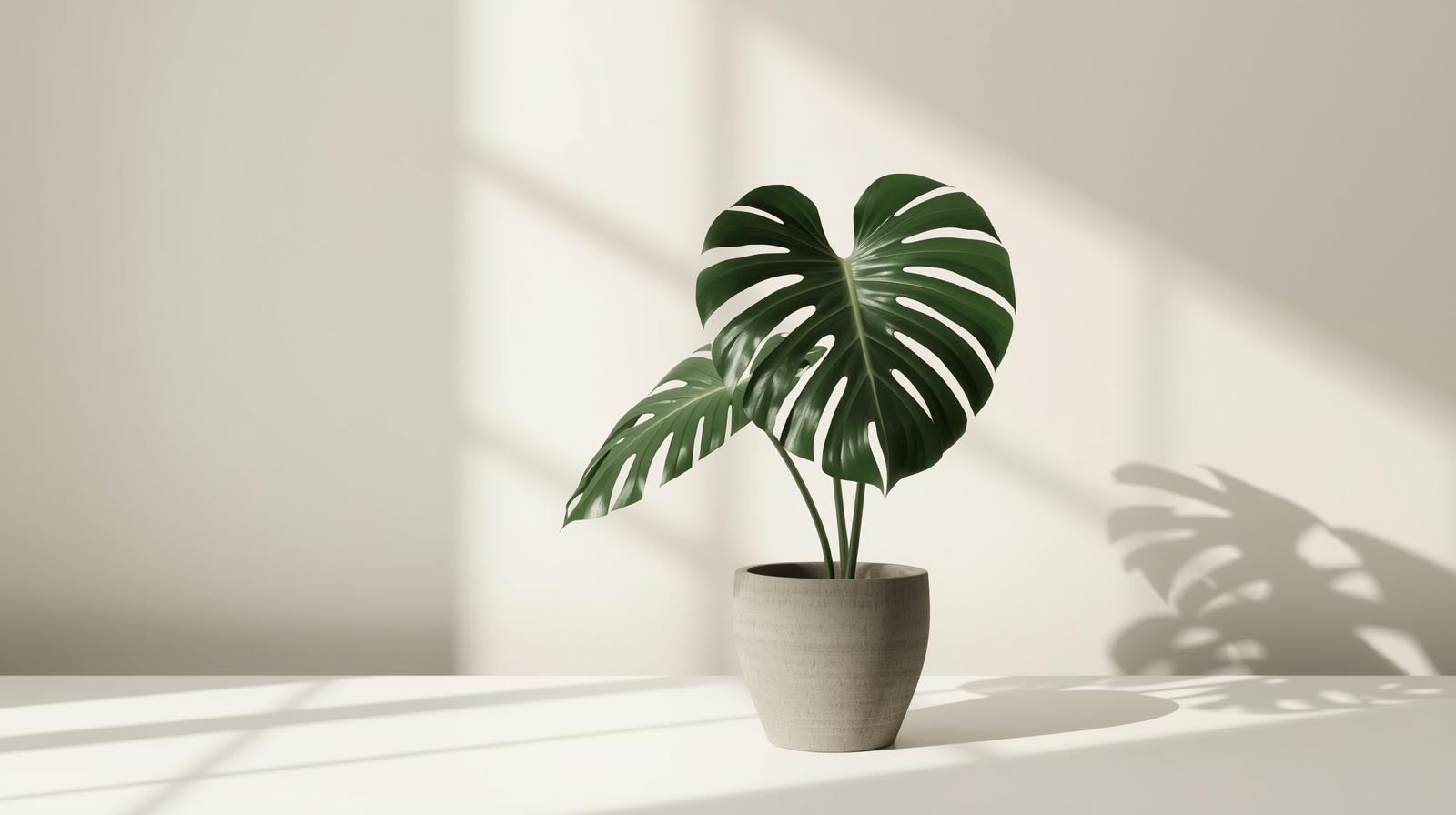
There’s a quiet confidence in the way a Monstera stretches toward the light—its bold leaves unfurling like open palms in gentle invitation. More than just a tropical plant, it becomes a living sculpture that grounds a room in calm while echoing the wild grace of its rainforest origins. This guide offers mindful care practices to help your Monstera thrive as both a botanical companion and a serene statement piece.
The Monstera deliciosa hails from the lush understories of Central American rainforests, where dappled light filters through towering canopies and humidity lingers like a soft breath. In your home, it carries that same sense of grounded wildness—a bridge between cultivated calm and untamed nature.
Its dramatic, fenestrated leaves invite pause and presence, turning any corner into a moment of stillness. Caring for it isn’t a task to check off but a ritual that aligns with slow living: a gentle rhythm of observation, response, and connection.
This is the essence of tropical plant care—not control, but companionship. It’s about meeting your plant where it is and allowing its needs to shape your daily rhythm.
Monstera care begins not with a schedule, but with attention. Rather than rigid rules, think of light, water, and air as parts of an ongoing conversation with your plant.
These plants are forgiving, yes—but they flourish when met with consistency and care. A slight yellowing, a droop, or a pause in growth isn’t failure; it’s feedback, offered without judgment.
By tuning into these signals, you cultivate more than a healthy plant—you nurture a relationship rooted in patience and presence.
Bright, indirect light is the Monstera’s sweet spot. Think of the filtered glow beneath a forest canopy: enough to energize, but never harsh enough to scorch.
In this quality of light, the leaves develop their iconic splits and holes—fenestrations that evolved to capture shifting rays in dense jungles. Without adequate light, new leaves may stay small and unsplit, or the plant may stretch thin toward the nearest window.
If your Monstera’s foliage looks pale or growth slows dramatically, consider moving it closer to a north- or east-facing window. Avoid direct midday sun, which can bleach or burn the leaves, disrupting their quiet elegance.
Watering a Monstera is less about frequency and more about feeling. Before you pour, press your finger into the soil—about two inches deep. If it feels dry, it’s time. If it’s still cool and damp, wait.
This simple act becomes a moment of mindfulness: a pause in your day to connect with another living thing. Water thoroughly until it runs freely from the drainage holes, then let the soil dry partially before the next session.
Seasons guide this rhythm. In spring and summer, your Monstera drinks more deeply as it grows. In fall and winter, it rests—asking for less, trusting you to notice the shift.
Healthy roots begin with breath. In the wild, Monsteras cling to trees, their roots exposed to air and occasional rain. Indoors, they need a soil mix that mimics this airy, well-draining environment.
A dense, waterlogged medium suffocates roots and invites rot. Instead, choose or create a blend rich in perlite, orchid bark, or coco coir—ingredients that hold moisture without clinging too tightly.
If you’re new to customizing potting mixes or want to understand how soil structure supports plant vitality, our soil-basics guide offers a gentle entry into this foundational practice.
Humidity is the unseen nourishment that keeps a Monstera’s leaves supple, glossy, and resilient. In its native habitat, moisture hangs in the air like a soft veil—something most homes, especially in winter, lack.
Yet you don’t need a greenhouse to recreate this embrace. Small, thoughtful gestures can restore balance: misting in the morning, grouping plants together, or placing your Monstera on a pebble tray filled with water.
These aren’t fixes—they’re invitations. Invitations for your plant to feel at home, and for you to slow down enough to notice the difference in its posture, its sheen, its quiet vitality.
Some spaces in your home naturally hold more moisture. A bright bathroom, for instance, with a window that admits soft light, can be an ideal sanctuary for a Monstera.
If your living areas are dry, consider a small humidifier—not as a machine, but as a quiet companion that hums in the background, maintaining a steady, nurturing atmosphere. Run it during the day, and let the air settle at night.
For those curious about balancing ambient conditions beyond a single plant, our guide to humidity-control explores how to create zones of comfort that honor both your well-being and your green companions.
Fertilizing is not about pushing growth but supporting it—offering gentle nourishment when your Monstera is ready to receive. Spring and summer are its active seasons; this is when a diluted, organic fertilizer can be offered once a month.
Choose a balanced formula (like 10-10-10) and halve the recommended strength. Strong doses shock more than sustain. Think of it as a light meal, not a feast.
In fall and winter, let your plant rest. No fertilizer is needed. This pause mirrors nature’s own rhythm—growth followed by stillness, abundance followed by quiet.
Repotting is not a chore but a ceremony of sorts—a chance to witness your plant’s hidden life. Roots curling over the pot’s edge, water draining too quickly, or a noticeable slowdown in growth are quiet signals that it’s time.
Choose a new container only slightly larger—just 1–2 inches in diameter. Too much space holds excess moisture and delays root establishment. Handle the roots with care, loosening them gently if they’re tightly bound.
If you’d like a calm, step-by-step approach to this transition—one that honors both plant and person—our repotting-guide walks you through each moment with intention.
Pruning is an act of respect. Removing yellowed, damaged, or overly dense leaves isn’t about perfection—it’s about redirecting energy where it’s most needed.
Use clean, sharp shears and cut just above a node—the small bump on the stem where new growth emerges. Each cut is a quiet offering: space for air, light, and new possibility.
And from those cuttings, life continues. Propagation isn’t just practical; it’s poetic. A single stem with a node can become a new plant—a gift for a friend or a companion for another room.
To propagate in water, place a stem cutting with at least one node in a clean jar of room-temperature water. Keep it in bright, indirect light and change the water weekly. Roots may appear in a few weeks—thin at first, then strong.
For soil propagation, plant the cutting directly into a moist, airy mix. Cover it lightly with a plastic bag to retain humidity, and check daily. Both methods require trust: in the process, in the plant, and in your own capacity to wait.
Watching roots emerge is a meditation in slow transformation. It reminds us that growth often happens beneath the surface, unseen but certain—just like our own quiet evolutions.
Brown leaf tips often signal dry air or inconsistent watering. Rather than panic, adjust gradually: increase humidity, ensure even moisture, and trim only the affected edges if they bother you.
Drooping can mean thirst—or overwatering. Check the soil. If it’s bone dry, water deeply. If it’s soggy, hold off and improve airflow. Your plant is communicating; listen without judgment.
Pests like spider mites or mealybugs appear when a plant is stressed. A soft cloth dipped in diluted neem oil or soapy water can gently restore balance. Prevention lies in consistent care, not perfection.
Remember: a struggling Monstera is not a failure. It’s a teacher. And with steady, kind attention, it will often find its way back to vitality.
Over time, your Monstera becomes more than a plant—it becomes part of your daily rhythm. It’s there as you sip morning tea, as you read in the evening light, as you pause to watch rain fall outside.
In minimalist spaces, its sculptural form speaks without noise. A single mature leaf can anchor a room, drawing the eye and calming the mind. It doesn’t compete for attention; it simply holds space.
Place it near a reading chair, beside a window seat, or in a quiet hallway—anywhere you’d like a reminder to breathe deeply and move slowly. Its presence is both bold and peaceful, a paradox that feels deeply human.
Caring for a Monstera is not about achieving flawless foliage or Instagram-worthy fenestrations. It’s about showing up—consistently, gently, and without expectation.
Its leaves, with their natural holes and asymmetries, remind us that beauty exists in imperfection. That growth is not linear. That even in stillness, life is unfolding.
In tending to this green companion, we learn to tend to ourselves—with patience, with grace, and with quiet joy.