
Bring Zen into Your Space
Bring Zen into Your Space

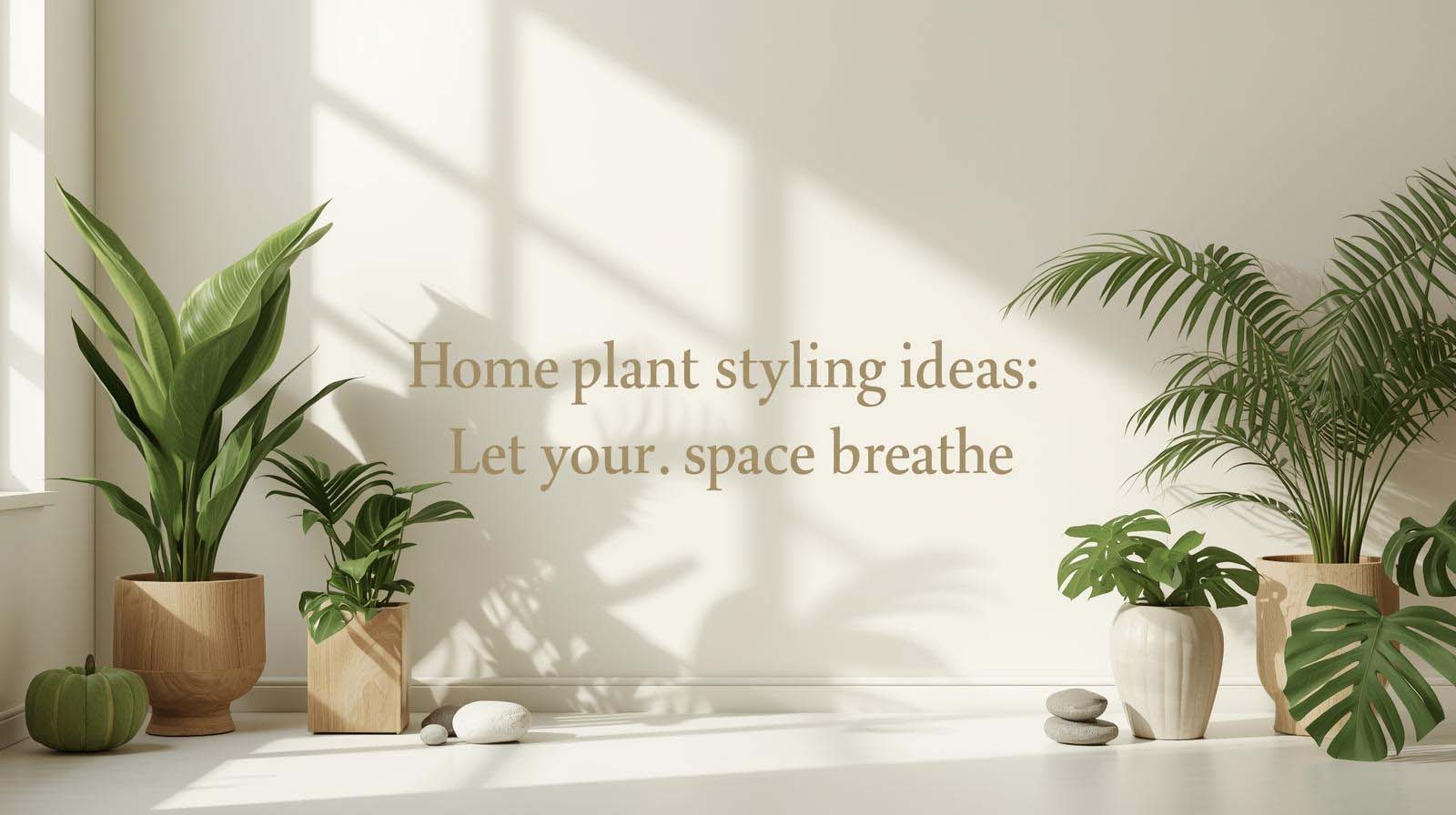
In a world that often feels hurried and cluttered, our homes can become sanctuaries where stillness takes root—quite literally. Plant styling isn’t just about arranging greenery for visual appeal; it’s a quiet act of intention, a way to invite rhythm, breath, and life into the spaces we inhabit. This article explores how thoughtful plant styling can transform your home into a living, breathing extension of your inner calm.
Plant styling is more than décor—it’s a mindful practice that harmonizes nature with human space. When we place a plant with care, we’re not simply filling a corner; we’re shifting the energy of a room, softening its edges, and inviting a slower pace. The art of plant styling—where aesthetics meet awareness—begins with presence, not perfection.
Each leaf, stem, and tendril carries a quiet vitality that subtly influences mood and atmosphere. A trailing pothos beside a reading chair can invite calm; a bold monstera by the window can awaken a sense of possibility. These choices aren’t arbitrary—they’re gentle gestures toward a more attuned way of living.
By approaching plant styling with reverence rather than trend, we create interiors that breathe with us, not against us. The goal isn’t to mimic a magazine spread, but to cultivate a space that reflects your rhythm, your light, and your need for stillness.
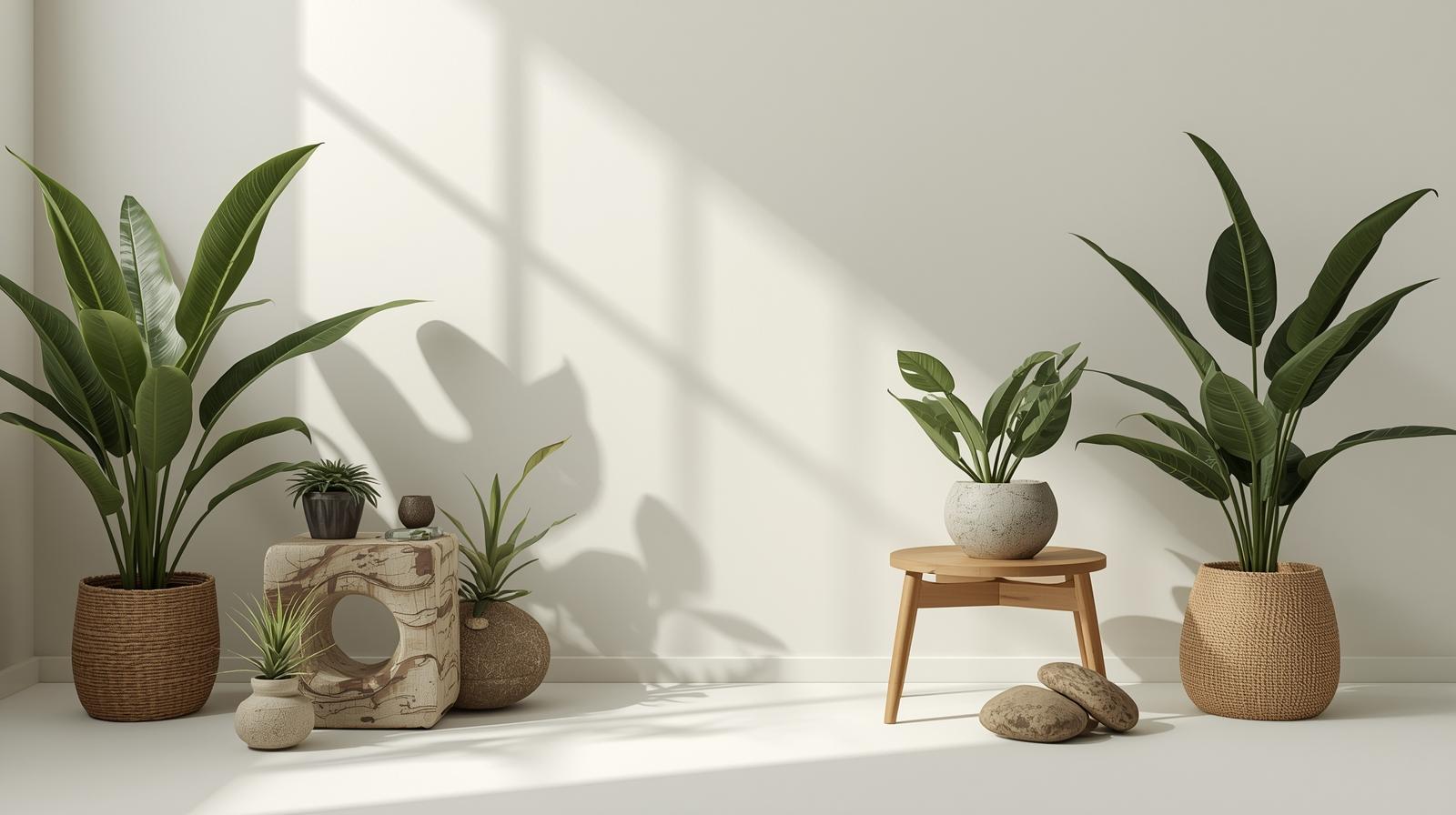
Before selecting a single pot or leafy companion, pause. Sit in your space. Observe how light moves across the floor in the morning, where shadows gather by evening, and where your energy feels heavy or light. Plant styling begins not with the plant, but with the room that will hold it.
Notice which areas feel stagnant—perhaps a narrow hallway or an unused corner—and consider how a single plant might reanimate that zone. Conversely, identify where calm already lives: a sun-drenched windowsill, a quiet reading nook. These are natural anchors for green life.
Ask yourself: What feeling do I want this room to evoke? Serenity? Focus? Joy? Your answer will guide not only which plants to choose, but where to place them. Let the space speak first; the plants will respond in kind.
Natural light is the silent choreographer of plant styling. Observe how sunlight filters through your windows throughout the day—bright and direct in the morning, soft and diffused by afternoon, or absent altogether in certain corners. This rhythm determines not just what will survive, but what will thrive.
South-facing windows invite sun-lovers like fiddle-leaf figs or citrus trees, while north-facing rooms call for more modest companions. For spaces with limited sunlight, our guide to low-light plants offers serene, easy-care options that still bring life to dimmer rooms.
Layout matters just as much as light. Consider foot traffic, furniture flow, and sightlines. A tall plant beside a doorway might block movement, while a low cluster on a coffee table could disrupt conversation. Let your arrangement support ease, not obstruction.
Each room in your home holds a unique energy, shaped by how you use it and how you feel within it. Plant styling honors these distinctions, offering tailored companions that enhance your daily rituals—whether it’s sipping morning tea, unwinding after work, or diving into a creative project.
Think of your home as a series of micro-environments, each with its own needs and opportunities. A plant in the kitchen might tolerate occasional steam and splashes, while one in the bedroom should support rest, not stimulation. Matching plant to purpose deepens the harmony of your space.
Start small. Choose one room to begin with—perhaps the one where you spend the most time—and let your plant styling grow from there. There’s no need to green every surface at once. Intention, not volume, creates true balance.
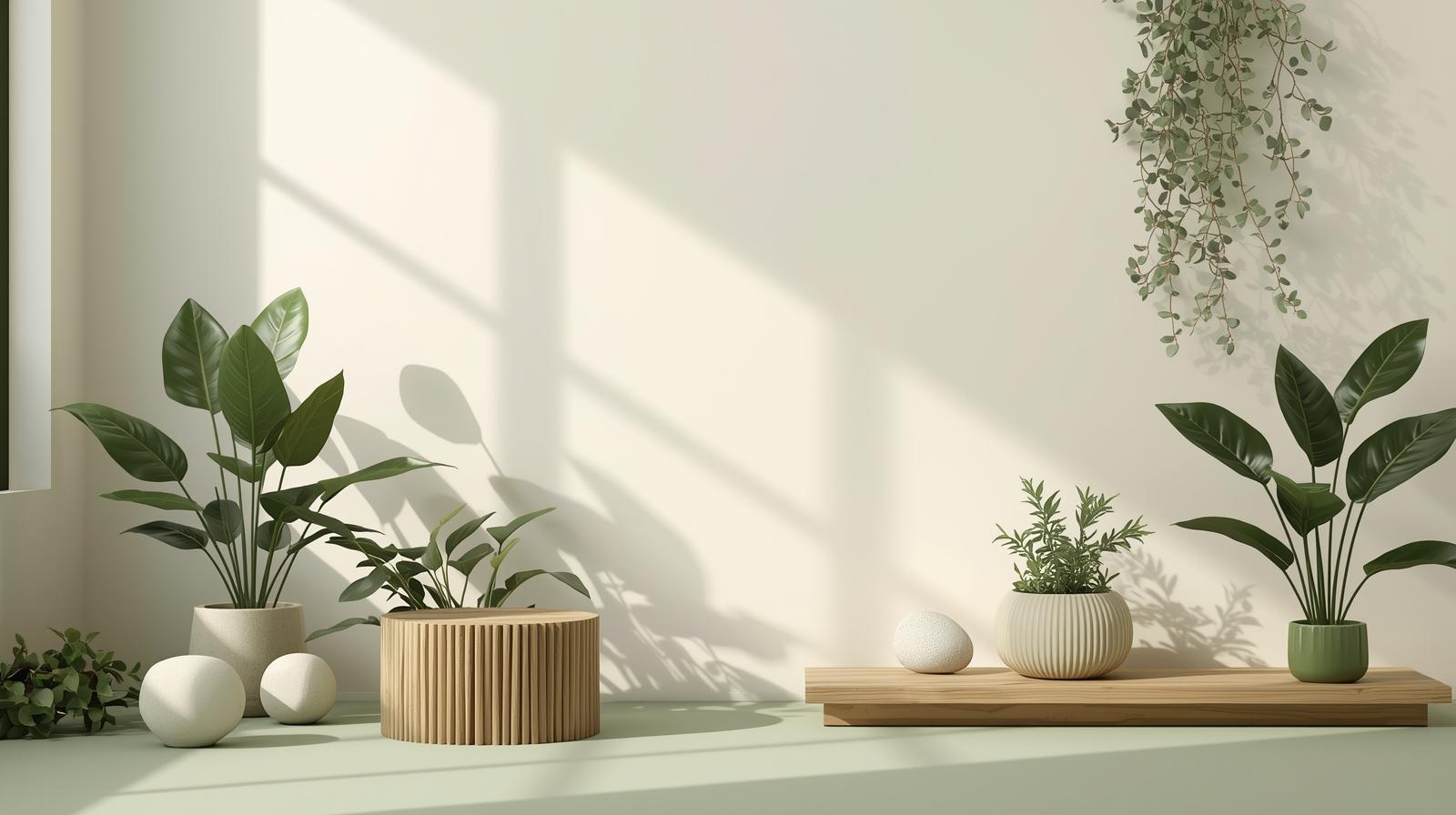
The living room is where life unfolds—conversations bloom, quiet moments settle, and connections deepen. Here, plant styling can anchor the space with warmth and vitality. A medium to large statement plant, like a fiddle-leaf fig or bird of paradise, placed near seating areas, creates a natural focal point without dominating the room.
Group plants in odd numbers—three or five—for visual harmony that feels organic, not staged. Mix heights: a tall floor plant beside a mid-sized shelf dweller, with a trailing vine cascading from above. This layered approach mimics the diversity of a forest floor, full of life yet never chaotic.
Choose textures that invite touch: velvety calatheas, glossy monsteras, or feathery palms. These sensory details make the space feel alive, not just decorated. Remember, the living room isn’t a showroom—it’s a living ecosystem, and your plants are its quiet heartbeat.
The bedroom should be a refuge—a place where the outside world fades and the body softens into rest. Plant styling here must support that intention. Opt for air-purifying, low-maintenance varieties like snake plants or peace lilies, which release oxygen at night and require minimal attention.
Avoid over-cluttering. One or two well-chosen plants are enough: perhaps a small snake plant on a nightstand, or a trailing pothos on a high shelf where its vines can drape like a gentle curtain. The goal is calm, not collection.
Empty space is part of mindful styling. Let your bedside table breathe. Allow your dresser to hold silence between objects. In the bedroom, plants aren’t accents—they’re allies in creating a haven where sleep comes easily and dreams feel welcome.
In a space dedicated to concentration, a single plant can be a powerful anchor. Studies show that even a small green presence reduces stress, sharpens focus, and softens the sterility of screens and desks. The key is subtlety—let the plant support your work, not distract from it.
A small succulent or compact pothos on your desk—like those in our curated desk-plants collection—can be a quiet companion during long work sessions. Its slow growth becomes a reminder to pause, breathe, and return to the present moment.
Place your plant where it catches peripheral light but doesn’t block your view. A shelf just above eye level, or the corner of your desk furthest from your dominant hand, often works best. Let it be a gentle nudge toward balance—not another item on your to-do list.
The vessel matters as much as the plant it holds. A pot is not just a container; it’s part of the composition, a bridge between the earthiness of the plant and the human-made environment. Choose materials that echo nature: terracotta, unglazed ceramic, woven seagrass, or smooth wood.
Neutral tones—soft whites, warm beiges, muted grays—allow the plant to remain the star. Avoid overly ornate or brightly colored pots unless they serve a clear emotional or aesthetic purpose. Simplicity in the container creates space for the plant’s form to shine.
Consider shape as well. Round pots soften angular furniture; tall, slender planters echo vertical lines in windows or bookshelves. The container should feel like a natural extension of both the plant and the room—not an afterthought, but a deliberate choice.
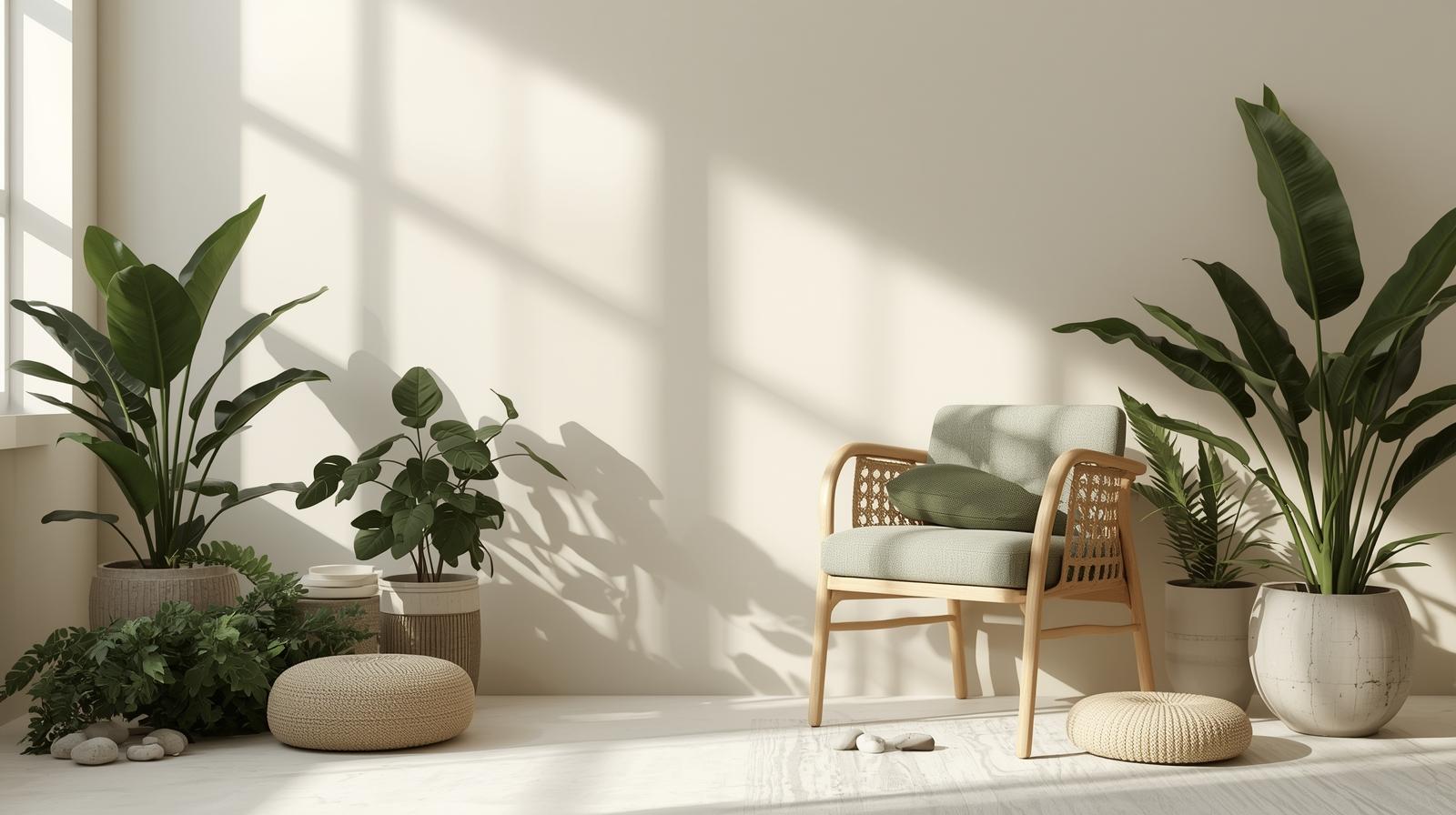
Negative space—the emptiness around and between objects—is where stillness lives. In plant styling, it’s just as important as the greenery itself. A single plant on a bare windowsill, with nothing else nearby, becomes a meditation. It draws the eye, invites contemplation, and allows both the plant and the viewer to breathe.
Resist the urge to fill every surface. A shelf with one trailing plant and two empty spaces feels more intentional than one crowded with pots. Empty corners aren’t voids to be filled—they’re pauses in the visual rhythm of your home.
Let your plants stand alone sometimes. Give them room to cast shadows, to sway in a breeze, to exist without competition. In that space, their presence grows stronger, not weaker.
Texture adds depth without noise. Pair a plant with broad, glossy leaves—like a monstera or philodendron—with one that’s feathery and delicate, such as a maidenhair fern or asparagus fern. The contrast creates visual interest while maintaining calm.
Leaf color matters too. Deep greens ground a space; silvery or variegated leaves add lightness. A single plant with cream-and-green variegation can brighten a shadowed corner more effectively than a lamp. But avoid over-mixing—three to five distinct textures in one area is often enough.
Cohesion comes from intention, not uniformity. You don’t need all plants to match in color or shape. Instead, choose each one because it speaks to you—and because it belongs in that particular spot, at this particular time.
True plant styling isn’t about accumulation—it’s about curation. A room filled with dozens of plants can feel overwhelming, not peaceful. Minimalism in this context isn’t austerity; it’s clarity. It’s choosing only what resonates, only what serves your space and spirit.
This approach aligns closely with the principles we explore in zen-minimal, where simplicity becomes a form of self-care. A single, thriving plant on a wooden stand can bring more peace than ten struggling ones scattered without thought.
Ask yourself: Does this plant add calm, or clutter? Does it feel like a companion, or just another object? Let go of the idea that more is better. In plant styling, as in life, less often allows more room for what truly matters to grow.
Plant styling doesn’t end when the pot is placed. Caring for your plants—watering, pruning, dusting leaves—is where the practice deepens. These small acts become rituals of presence, moments to slow down and reconnect with the living world within your walls.
Set a weekly “plant check-in.” Not as a chore, but as a pause. Run your fingers over the soil. Observe new growth. Trim a yellowing leaf with care. In these gestures, you’re not just maintaining plants—you’re tending to your own need for rhythm and attention.
Over time, you’ll learn each plant’s language—the slight droop before thirst, the subtle lean toward light. This quiet dialogue builds intimacy. Your home becomes not just a place you live, but a living relationship you nurture, one leaf at a time.
Plant styling is a living dialogue between you and your environment. It evolves with the seasons, with your mood, with the light that shifts through your windows. There’s no final arrangement, no perfect moment—only the ongoing practice of looking, choosing, and adjusting with care.
Let your home breathe. Let it hold silence as well as greenery. Let your plants be imperfect, asymmetrical, alive. In their quiet presence, you’ll find a mirror for your own growth—slow, patient, and deeply rooted in the now.