
Bring Zen into Your Space
Bring Zen into Your Space

In a world that often moves too quickly, tending to aromatic herbs offers a quiet return to presence. The gentle rustle of mint leaves, the calming scent of lavender, and the earthy resilience of rosemary each invite us to slow down, breathe deeply, and reconnect with the rhythms of nature—even within the confines of our homes.
Mint, lavender, and rosemary are more than kitchen staples or decorative accents. They are companions for mindful living, offering sensory anchors that ground us in the present moment.
Their fragrances calm the mind, their textures delight the senses, and their quiet growth reminds us that life flourishes in stillness. Thoughtful herb plant care begins not with rigid rules, but with a willingness to listen—to notice how each plant responds to light, water, and touch.
Every herb carries its own quiet wisdom. Mint spreads with joyful abundance, lavender holds space with serene structure, and rosemary stands tall with ancient dignity.
These aren’t just botanical traits—they mirror human qualities we might aspire to. Mint teaches generosity, lavender offers calm discipline, and rosemary embodies quiet endurance. Tending to them becomes a practice in patience, observation, and gentle reciprocity.
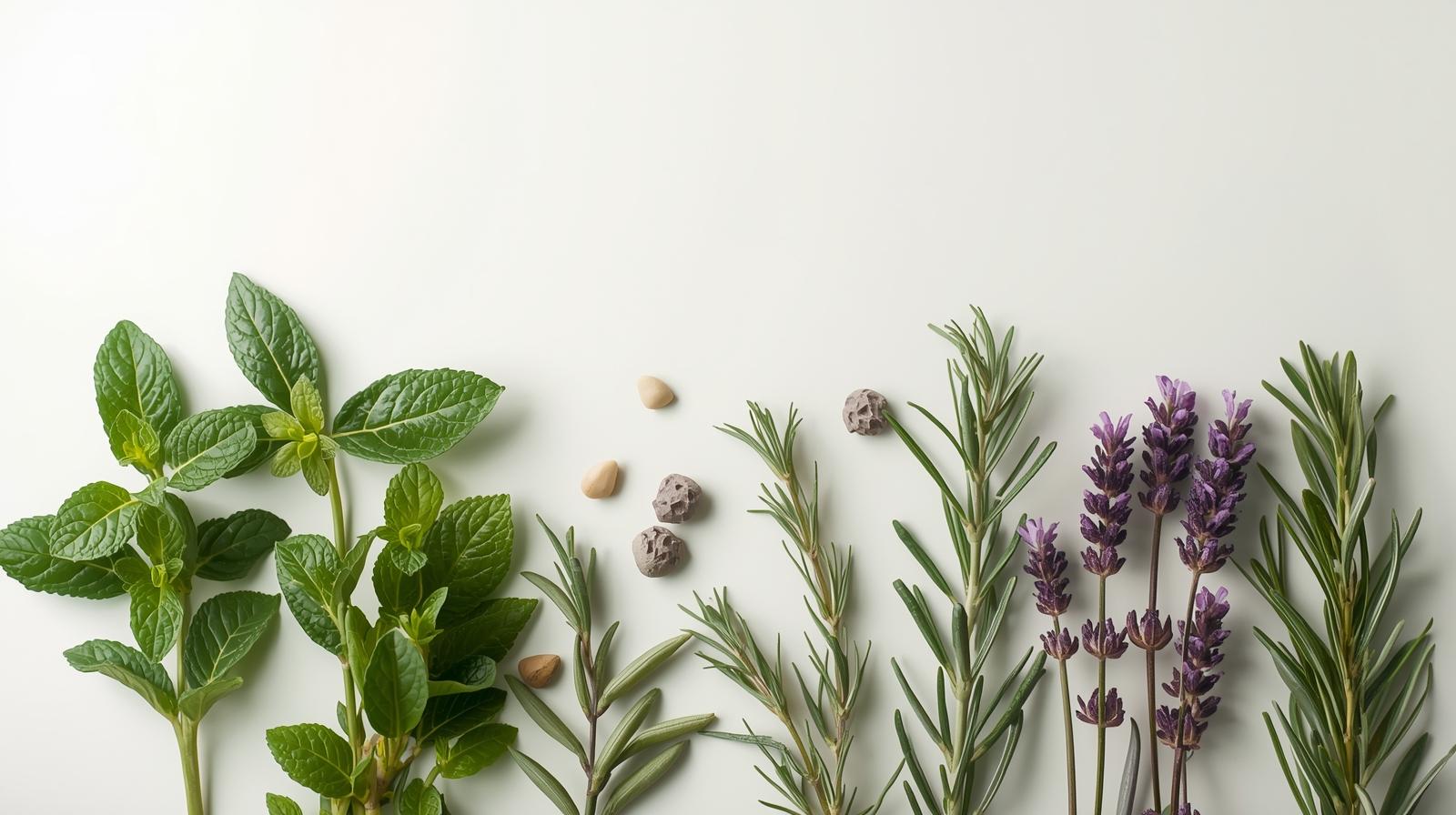
Mint grows with exuberant energy, sending out runners and unfurling fresh leaves with cheerful abandon. It thrives in partial shade and appreciates consistently moist—but not soggy—soil.
Because of its vigorous nature, mint is best kept in a pot rather than planted directly in garden beds, where it can easily overtake other plants. This containment isn’t restriction; it’s a way of honoring its spirit while maintaining balance.
Place your mint where it can be touched—a kitchen windowsill, a bedside table, or a desk corner. The simple act of brushing your fingers over its leaves releases its bright, cooling scent, offering a moment of clarity amid a busy day.
Lavender grows with quiet precision. Its silvery-green foliage and slender purple spikes speak of order, stillness, and resilience.
This herb asks for full sun, excellent drainage, and very little fuss. Overwatering or rich soil can overwhelm it; lavender thrives on restraint. Its care is a lesson in trusting the plant’s innate wisdom—sometimes, doing less is the deepest form of tending.
Position lavender in a sun-drenched corner of a reading nook or beside your bed. Its visual softness and subtle fragrance create a sense of calm, making it a natural companion for spaces meant for rest or reflection.
Rosemary stands like a small, woody sculpture—sturdy, fragrant, and enduring. It carries the scent of sun-baked earth and sea air, evoking memories of warmth and clarity.
It loves bright light, dry soil, and good airflow. Unlike mint, rosemary prefers to dry out between waterings and will suffer if kept in damp or crowded conditions. Its slow, steady growth rewards those who wait.
Rosemary has long been tied to remembrance—ancient cultures carried sprigs to honor loved ones and sharpen the mind. Caring for it today can be a quiet ritual: a way to anchor yourself in the present while honoring what came before.
At the heart of herb care lies awareness—not just of what plants need, but of how they communicate. Light, water, and seasonal shifts are not mere variables; they are part of an ongoing dialogue between you and your green companions.
Even seasoned plant tenders benefit from returning to the basics with fresh eyes. If you’re new to indoor gardening or simply wish to deepen your practice, our indoor plant beginners guide offers gentle entry points into this quiet world.
Observe how light moves through your home across the day and through the seasons. Herbs respond to these shifts, and so should we.
Pale or leggy mint may be reaching for more sun. Rosemary stretching toward the window? It’s craving brightness. Lavender’s compact form begins to loosen? Perhaps it’s not getting enough direct light.
Adjust their placement gently—rotate pots weekly, shift them closer to or farther from windows—and watch how they respond. Light isn’t just fuel; it’s a language.
Watering is not a chore—it’s a moment of presence. Pause before you pour. Check the soil. Notice the leaves.
Mint droops slightly when thirsty, its stems softening at the edges. Lavender prefers to dry out completely between waterings; its soil should feel like a wrung-out sponge. Rosemary, too, thrives on dryness—overwatering is its greatest threat.
To deepen your understanding of how to listen to these signals, explore our guide to watering tips, where hydration becomes an act of attunement rather than routine.
Your indoor herb space need not be large—just intentional. A windowsill, a small shelf, or a corner table can become a sanctuary where mint, lavender, and rosemary coexist in respectful harmony.
Choose pots that reflect simplicity: unglazed terracotta, smooth ceramic, or woven baskets with liners. Group herbs with similar needs together—rosemary and lavender enjoy dry soil and full sun, while mint prefers more moisture and partial shade.
Leave space between them. This isn’t just for airflow; it’s a visual reminder that each plant deserves its own room to breathe, grow, and be seen.
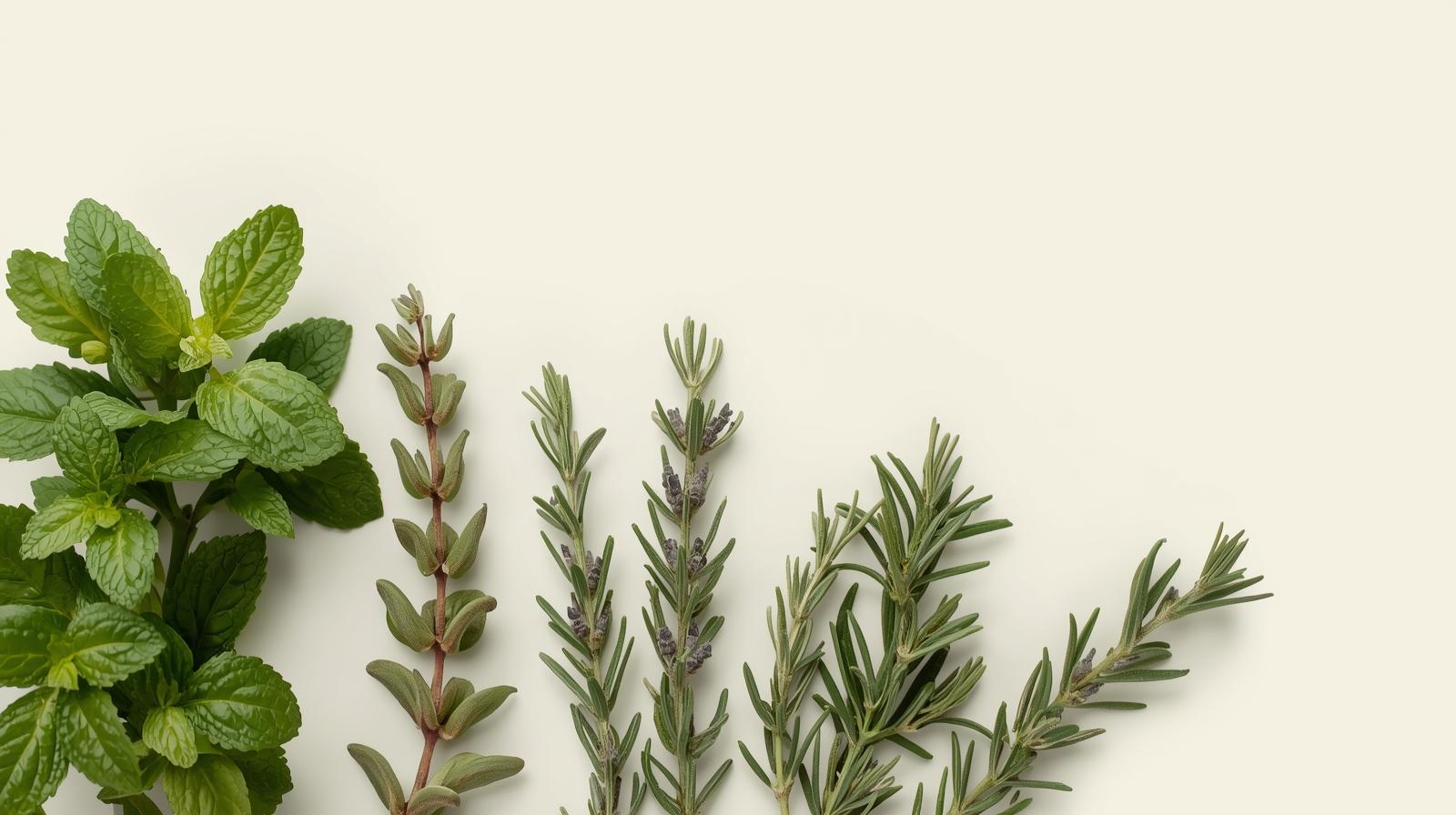
Soil is more than a growing medium—it’s the foundation of a plant’s well-being. For aromatic herbs like lavender and rosemary, dense or moisture-retentive mixes can lead to root rot and decline.
Opt for a light, well-draining blend: one part potting soil, one part perlite or coarse sand, and a handful of compost for gentle nourishment. Mint tolerates slightly richer soil but still benefits from good drainage.
Choosing the right mix is an act of care. For more on nurturing your herbs from the ground up, our soil basics guide offers quiet wisdom for every root.
Herbs move with the seasons. In spring and summer, they grow with enthusiasm—mint sends out new shoots, lavender bursts into bloom, and rosemary thickens with fragrant foliage.
In fall and winter, their pace slows. Growth becomes subtle, almost meditative. Adjust your care: water less, fertilize rarely, and allow them rest. This seasonal ebb and flow mirrors our own need for cycles of activity and stillness.
Pruning, when done with care, is not control—it’s collaboration. Snip just above a leaf node to encourage bushiness. Remove spent blooms to invite new energy. Each cut is a conversation, shaping the plant while honoring its natural form.
Harvest in the morning, when essential oils are most concentrated. Use clean fingers or sharp scissors, and never take more than one-third of the plant at once.
As you gather leaves, pause. Breathe in their scent. Offer a silent thank you. This small ritual transforms harvesting from utility into reverence.
Whether you’re steeping mint for tea, tucking lavender into a linen drawer, or adding rosemary to a simmering pot, you’re not just using the plant—you’re continuing a relationship that began with a seed, a cutting, or a quiet intention to grow something beautiful.
Yellowing leaves, leggy stems, or the occasional aphid—these are not failures. They are invitations to look closer, to ask questions, to adjust with kindness.
If mint grows too tall and sparse, it may need more light or a gentle trim. If lavender’s leaves turn brown at the base, check for overwatering. If rosemary’s tips dry out, consider airflow or humidity.
Approach each challenge with curiosity, not correction. Even a wilting sprig can teach you about balance, timing, and the quiet art of paying attention.
These herbs are not meant to stay confined to their pots. Their gifts extend into daily life, weaving presence into ordinary moments.
Tuck a sprig of dried lavender into your pillowcase for calm dreams. Add rosemary to a bowl of hot water and inhale the steam for mental clarity. Muddle fresh mint into cool water for an evening ritual that soothes both body and mind.
In time, they become more than plants—they become quiet teachers. They show us how to grow with grace, how to offer fragrance without demand, and how to hold space for both abundance and restraint.