
Bring Zen into Your Space
Bring Zen into Your Space

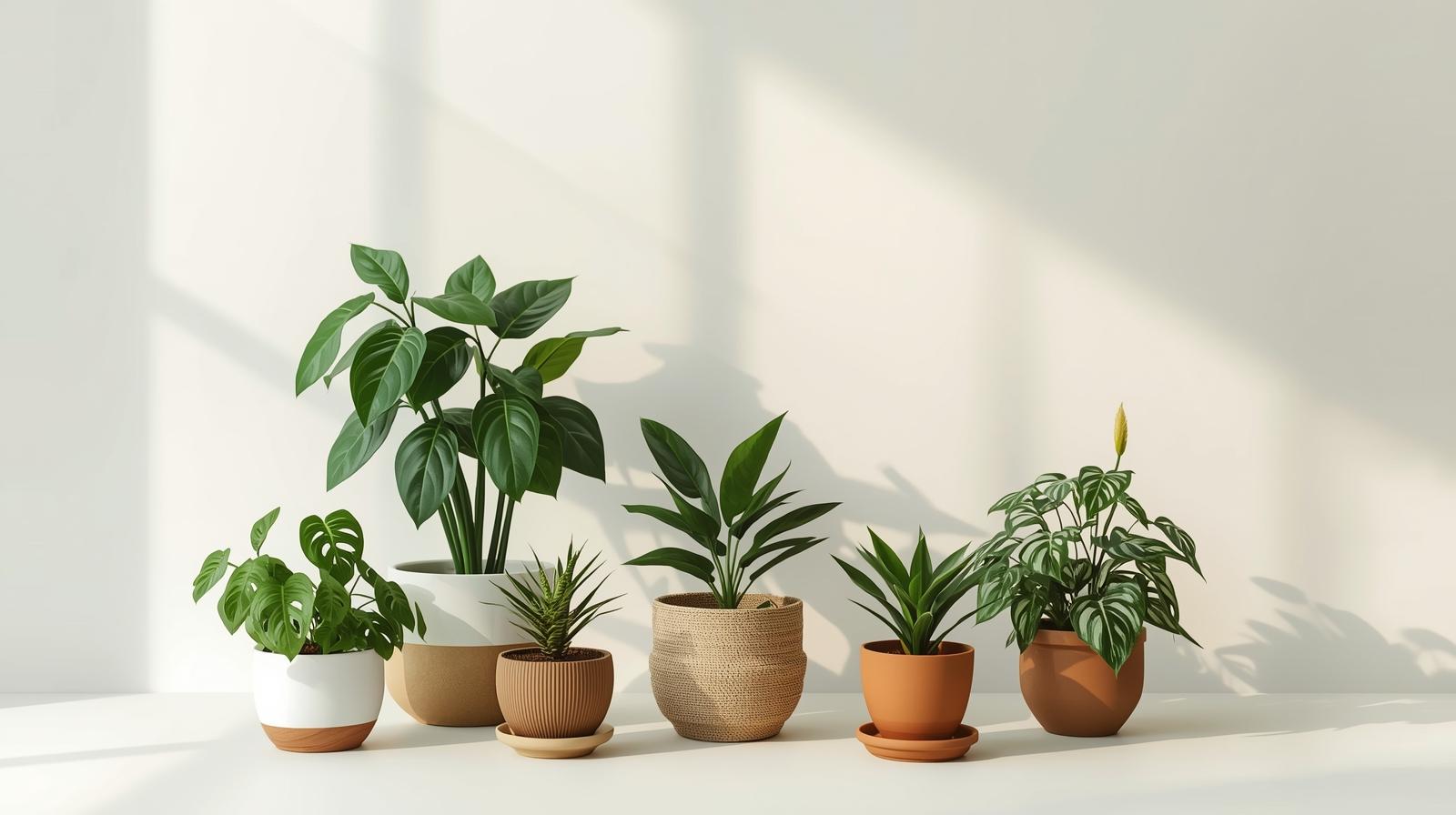
In a world that often feels hurried and loud, tending to a quiet green companion can be a gentle act of returning to yourself. This article offers a curated list of the best indoor plants—those that ask for little yet give back calm, beauty, and a sense of rooted presence. They don’t demand perfection, only presence; and in that exchange, they become silent teachers of patience, resilience, and quiet joy.
Choosing forgiving plants is more than a practical decision—it’s a way to build confidence through small, consistent successes. Each time you notice a new leaf unfurl or a vine reach gently toward the light, you’re reminded that care, however imperfect, matters.
In the Zen tradition, simplicity opens space for depth. Starting with low-maintenance plants allows you to observe, listen, and respond without overwhelm. It’s not about having a “green thumb,” but about cultivating a green heart—one that learns to attune to another living rhythm.
If you’re just beginning your journey, consider exploring our indoor plant beginner’s guide to nurture foundational habits like mindful observation and patient response.
An “easy” indoor plant isn’t one that survives neglect—it’s one that aligns gracefully with the natural rhythms of your life. These plants tolerate occasional missed waterings, adapt to varying light conditions, and grow slowly enough to avoid constant pruning or repotting.
They are resilient, yes—but also communicative in their own quiet way. A drooping leaf, a pale stem, or slowed growth are not failures, but gentle invitations to pay attention.
True ease comes from harmony: when your lifestyle and your plant’s needs meet in a middle ground of mutual respect. In that balance, care becomes a ritual, not a burden.
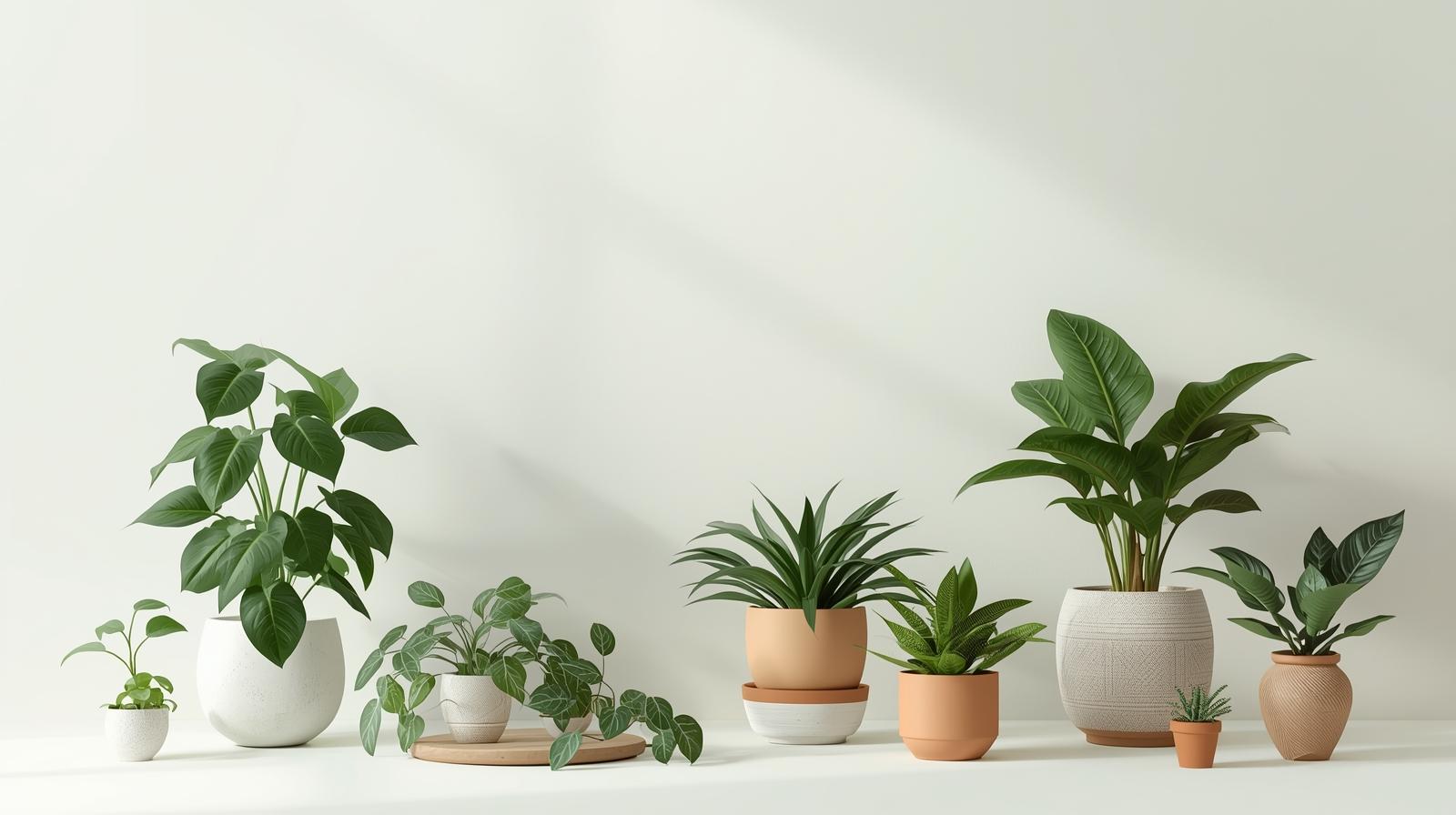
The snake plant is nearly indestructible—a quiet sentinel that thrives on benign neglect. It can go weeks without water and tolerates low light, making it ideal for dim corners or busy households.
Beyond its resilience, it purifies indoor air by filtering toxins, quietly contributing to a healthier living space. Its upright, sword-like leaves add architectural stillness to any room, like a living sculpture in muted greens and yellows.
Place it in a bedroom or office, and let its steady presence remind you that strength often grows in silence.
With its glossy, deep green leaflets arranged like feathers on slender stems, the ZZ plant brings a touch of tropical elegance without the fuss. It stores water in its rhizomes, allowing it to endure drought and low-light conditions with grace.
Its slow growth is a virtue: it rarely outgrows its space, needing repotting only every few years. This makes it perfect for those who prefer minimal intervention and maximum serenity.
Let it sit on a bookshelf or side table, where its reflective leaves catch the softest light—a testament to beauty that asks for nothing in return.
Pothos trails with quiet confidence, its heart-shaped leaves cascading like green waterfalls from shelves, cabinets, or hanging planters. It’s one of the most adaptable vines, thriving in everything from bright indirect light to the dimmest hallway.
Water it when the top inch of soil feels dry, and it will respond with steady, graceful growth. It even purifies the air, quietly removing common indoor pollutants.
Its vines invite you to pause—to follow their path with your eyes, to trim and propagate, to share a cutting with a friend. In its simplicity, it teaches generosity.
With cheerful, arching leaves striped in green and white, the spider plant radiates lightness and joy. It’s remarkably hardy, tolerating irregular watering and a range of lighting conditions, though it prefers bright, indirect sun.
What makes it truly special are its “pups”—tiny plantlets that dangle from long stems like living ornaments. These can be snipped and rooted in water or soil, making propagation effortless and deeply satisfying.
Non-toxic and safe for pets and children, it’s a plant that welcomes everyone into its orbit, offering beauty without barriers.
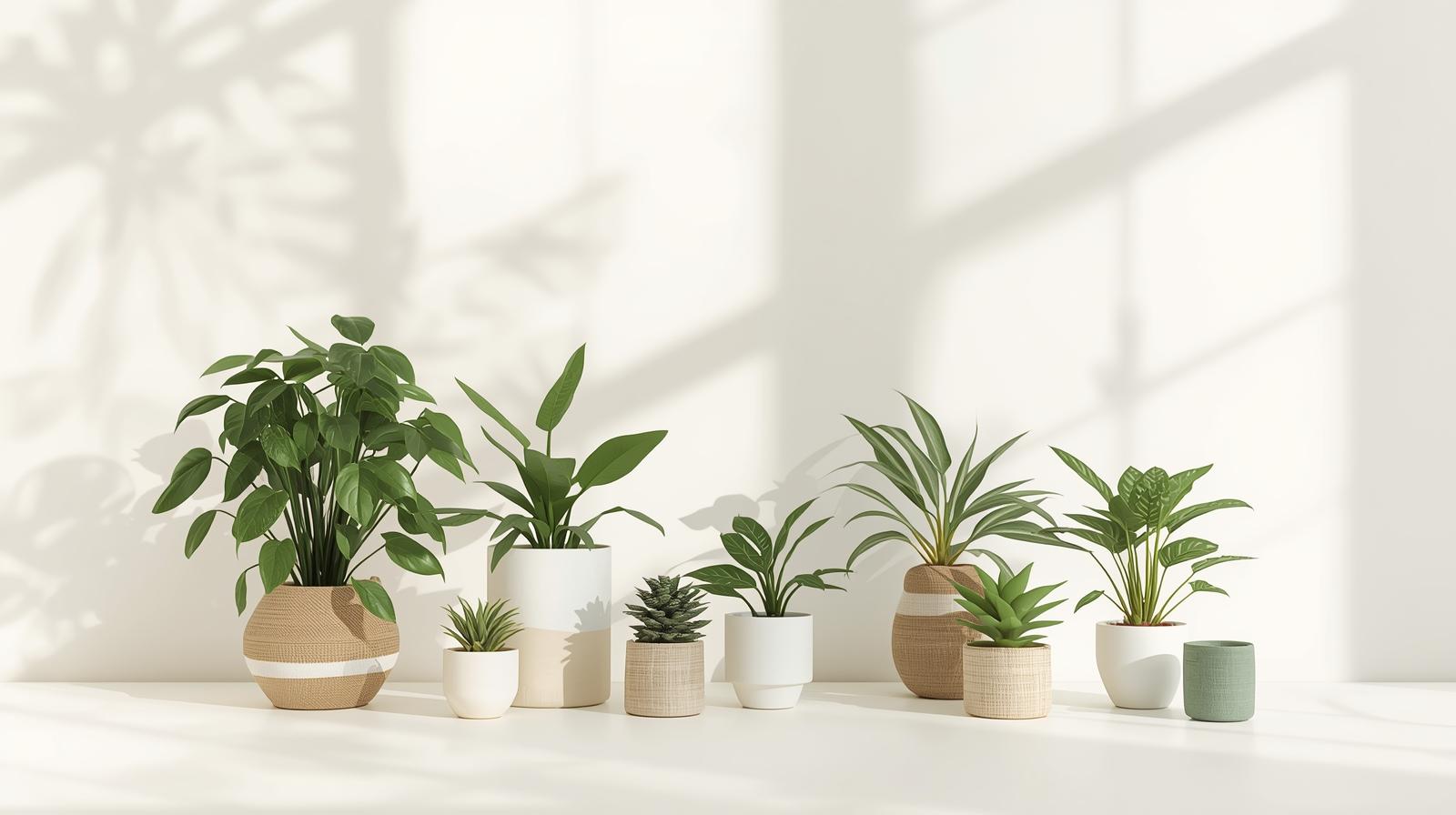
The peace lily blooms with elegant white spathes that seem to float above its lush, dark green foliage. It prefers consistent moisture and indirect light, thriving in humid environments like bathrooms or near kitchen sinks.
It communicates clearly: when thirsty, its leaves droop dramatically—but a good drink revives it within hours. This isn’t weakness; it’s honesty. In its vulnerability, it teaches us to listen closely.
Its air-purifying qualities and serene presence make it a natural centerpiece for spaces meant for reflection and calm.
Few plants adapt as gracefully to low light as the Chinese evergreen. Its variegated leaves—splashed with silver, red, or pink—add quiet color to north-facing rooms or office cubicles where other plants fade.
It grows slowly and steadily, rarely needing repotting, and tolerates dry indoor air common in heated or air-conditioned homes. Its resilience is understated, never showy.
If your space lacks bright windows, consider this plant as part of a broader exploration of low-light plants that thrive in gentle illumination.
True to its name, the cast iron plant endures what others cannot. It grows in deep shade, survives dry air, and forgives long gaps between waterings. It’s the ultimate plant for forgetful caretakers or dim, drafty hallways.
Its broad, dark green leaves rise slowly from the soil, unbothered by time or trends. There’s a quiet dignity in its refusal to demand attention.
In a world that celebrates speed and spectacle, the cast iron plant reminds us that strength often lies in stillness—and that true resilience needs no applause.
Aloe vera is both healer and houseplant. Its thick, fleshy leaves store water and contain a soothing gel long used for minor burns and skin irritations. As a houseplant, it asks for little: bright, indirect light and infrequent watering.
It thrives in well-draining, sandy soil—similar to what you’d use for cacti. Overwatering is its greatest enemy, so always let the soil dry completely between drinks. For guidance on creating the right foundation, revisit our primer on soil basics to ensure your aloe’s roots stay healthy and airy.
Place it on a sunny windowsill, where its rosette form catches the light like a living succulent mandala.
Philodendrons wear their hearts on their leaves—literally. The heartleaf variety’s smooth, glossy foliage evokes quiet affection, while the ‘Brasil’ cultivar adds a splash of lime-green variegation that brightens any space.
These plants are forgiving of missed waterings and adapt well to average home conditions. They prefer bright, indirect light but tolerate lower light with slower growth.
Like pothos, they trail or climb, softening sharp edges in your home. Their steady presence is a gentle reminder that love, too, grows quietly over time.
The jade plant stands like a miniature tree, with thick, woody stems and plump, oval leaves that shimmer in the light. In many cultures, it symbolizes prosperity, endurance, and good fortune—a living talisman of resilience.
It thrives in bright light (a south- or west-facing window is ideal) and requires infrequent watering. Always use well-draining soil to prevent root rot, and let the soil dry completely between waterings.
With age, it develops a sculptural form that deepens in character. Caring for a jade plant is like tending to a slow-moving friend—one who grows with you across years, not seasons.
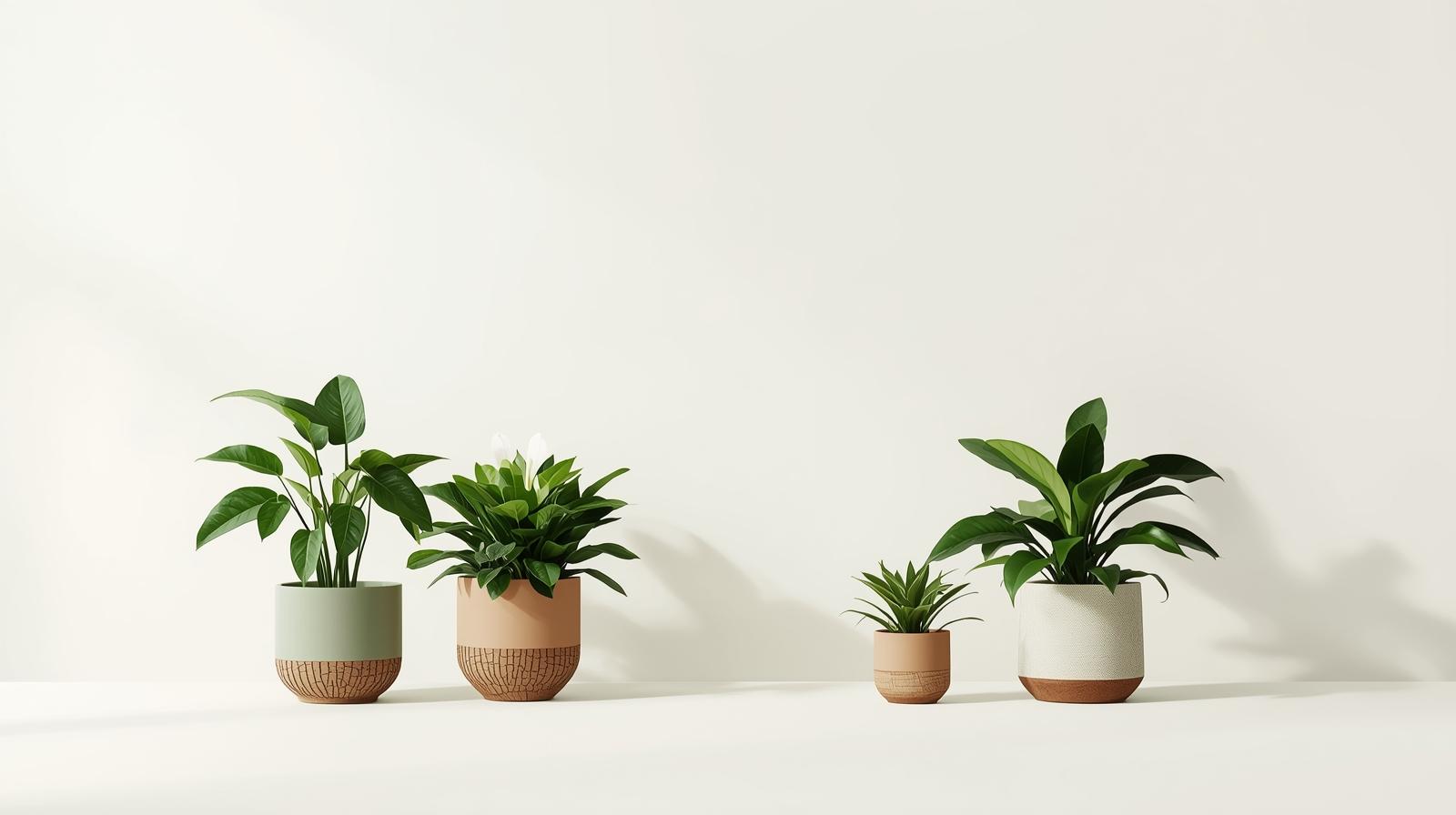
Even the easiest plants benefit from mindful care. Watering becomes a moment to pause, to feel the weight of the pot, to notice the texture of the soil. Dusting leaves isn’t just maintenance—it’s an act of honoring their role in your space.
Rotate your pots weekly so each side receives equal light, encouraging balanced growth. Observe how your plants respond to seasonal shifts—the slower pace of winter, the burst of spring energy.
Group plants with similar needs together to create micro-habitats that reflect harmony. A cluster of low-light lovers on a shaded shelf, or sun-seekers by a bright window, becomes a living arrangement that simplifies care and deepens connection.
The best indoor plants aren’t just survivors—they’re companions on a slower, more attentive way of living. They don’t measure your worth by your consistency, but meet you where you are, again and again.
Start with one. Place it where you’ll see it daily—a windowsill, a desk, a bedside table. Watch how it moves with the light, how it stretches toward warmth, how it rests in stillness. In time, you’ll learn its language, and it will learn yours.
In caring for plants, we care for ourselves — quietly, patiently, and with love.