
Bring Zen into Your Space
Bring Zen into Your Space

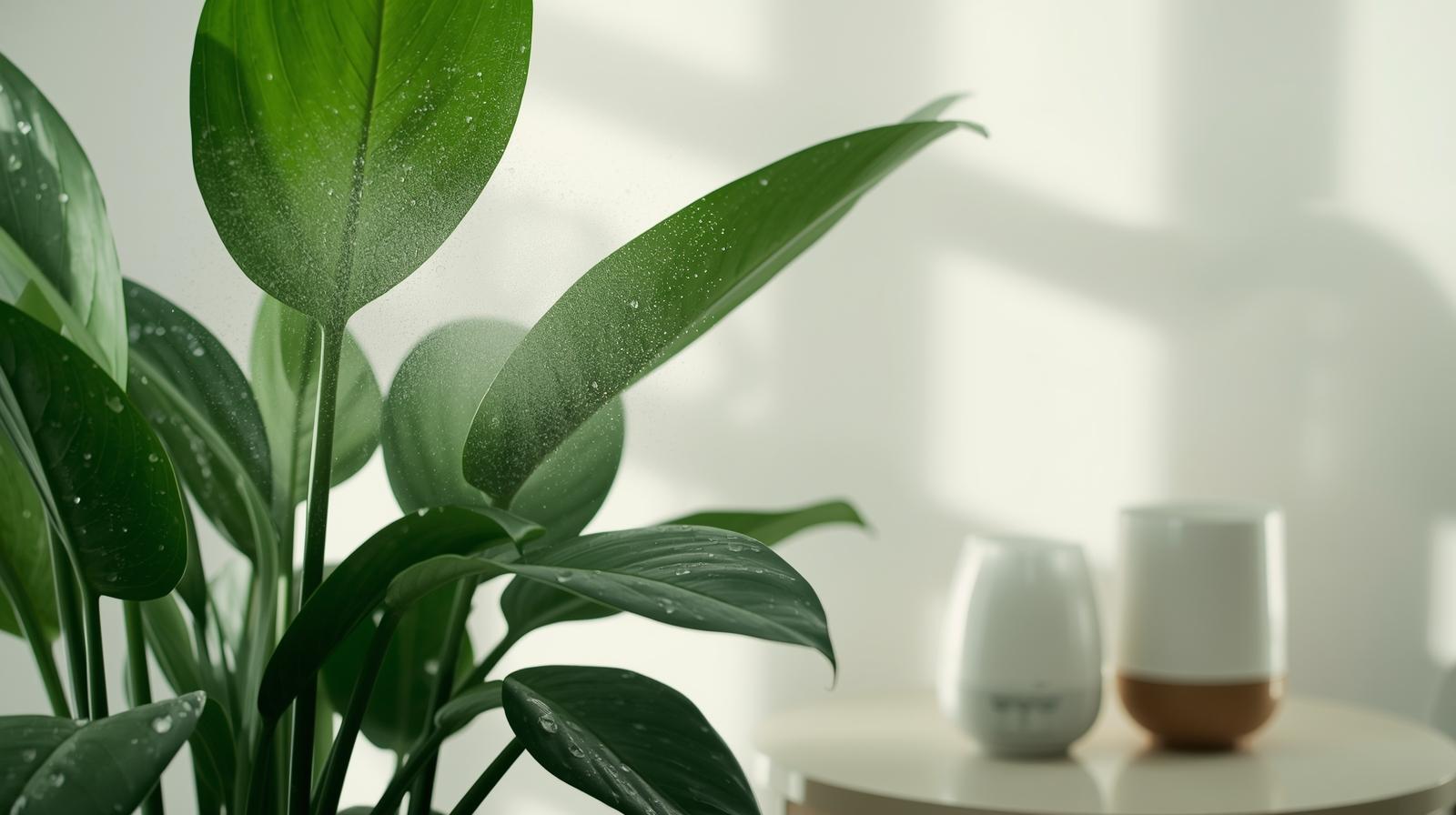
In the quiet rhythm of caring for plants, few things matter as deeply—and as invisibly—as the air they breathe. Indoor humidity, though unseen, shapes how leaves unfurl, how roots absorb, and how peacefully a plant settles into your space. This article explores how moisture in the air quietly sustains life, and how we can attune our homes to its gentle needs.
Plants don’t just drink through their roots—they also exchange moisture through their leaves in a process called transpiration. When indoor humidity is too low, this delicate balance is disrupted, causing stress that ripples through their entire system.
Modern homes, especially in colder months, often lack the indoor humidity that tropical plants evolved with—sometimes dropping below 30%, far from the 60% or more many foliage plants prefer. Just as we feel dry or stifled in overly arid rooms, so too do our green companions; offering balanced humidity is a quiet act of respect.
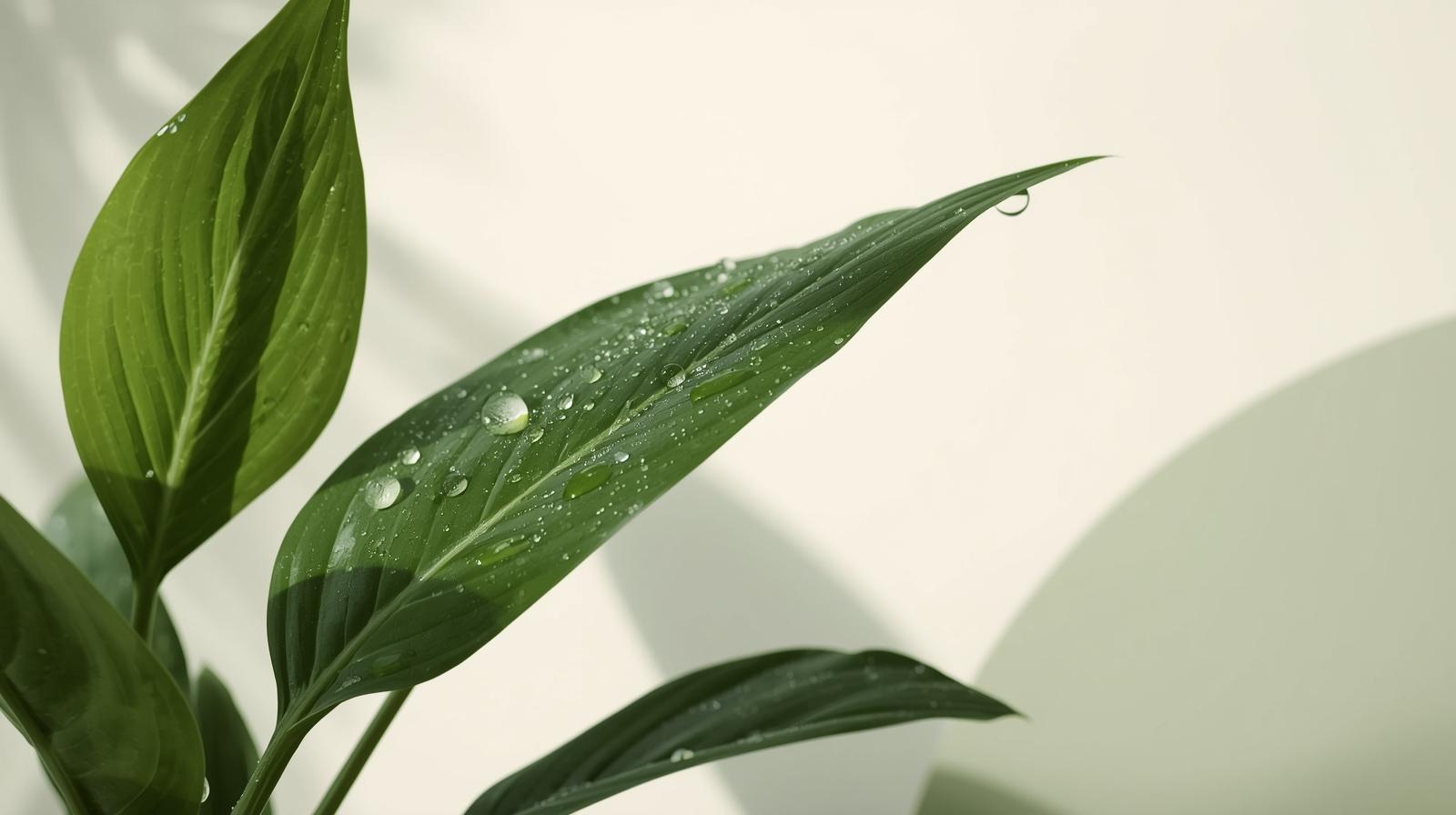
Brown, crispy leaf tips, curling edges, and slowed growth are gentle whispers from your plants, asking for more moisture in the air. You might also notice an uptick in pests like spider mites, which thrive in dry conditions.
Instead of reacting with urgency, pause and observe. These signs are not failures but invitations—to listen more closely, to adjust with care, and to understand your plant’s language.
Sometimes, what looks like dry air is actually overwatering—yellowing leaves and soggy soil can mimic humidity stress. Always check the soil’s moisture level before assuming the atmosphere is to blame.
Learning the difference between root saturation and atmospheric dryness is part of mindful plant parenting. For guidance on reading your plant’s true needs, revisit our gentle watering tips.
Not all plants ask for the same air. Succulents and cacti thrive in drier, desert-like conditions, while pothos and ZZ plants are content in moderate humidity around 40–50%. Ferns, calatheas, and monsteras, however, long for the damp embrace of 60% or higher.
Honoring a plant’s origin—whether rainforest floor or arid canyon—is a way of honoring its spirit. When we bring a piece of its native world into our homes, we do so with intention and reverence.
The Monstera deliciosa, with its dramatic split leaves, hails from the humid jungles of Central America. In dry indoor air, it may develop crispy margins and fail to produce its iconic fenestrations—nature’s way of adapting to heavy rainfall and filtered light.
To support your Monstera’s full expression, consider misting lightly or placing it near other leafy companions. For more tailored guidance, our Monstera care guide offers quiet wisdom on nurturing this beloved plant.
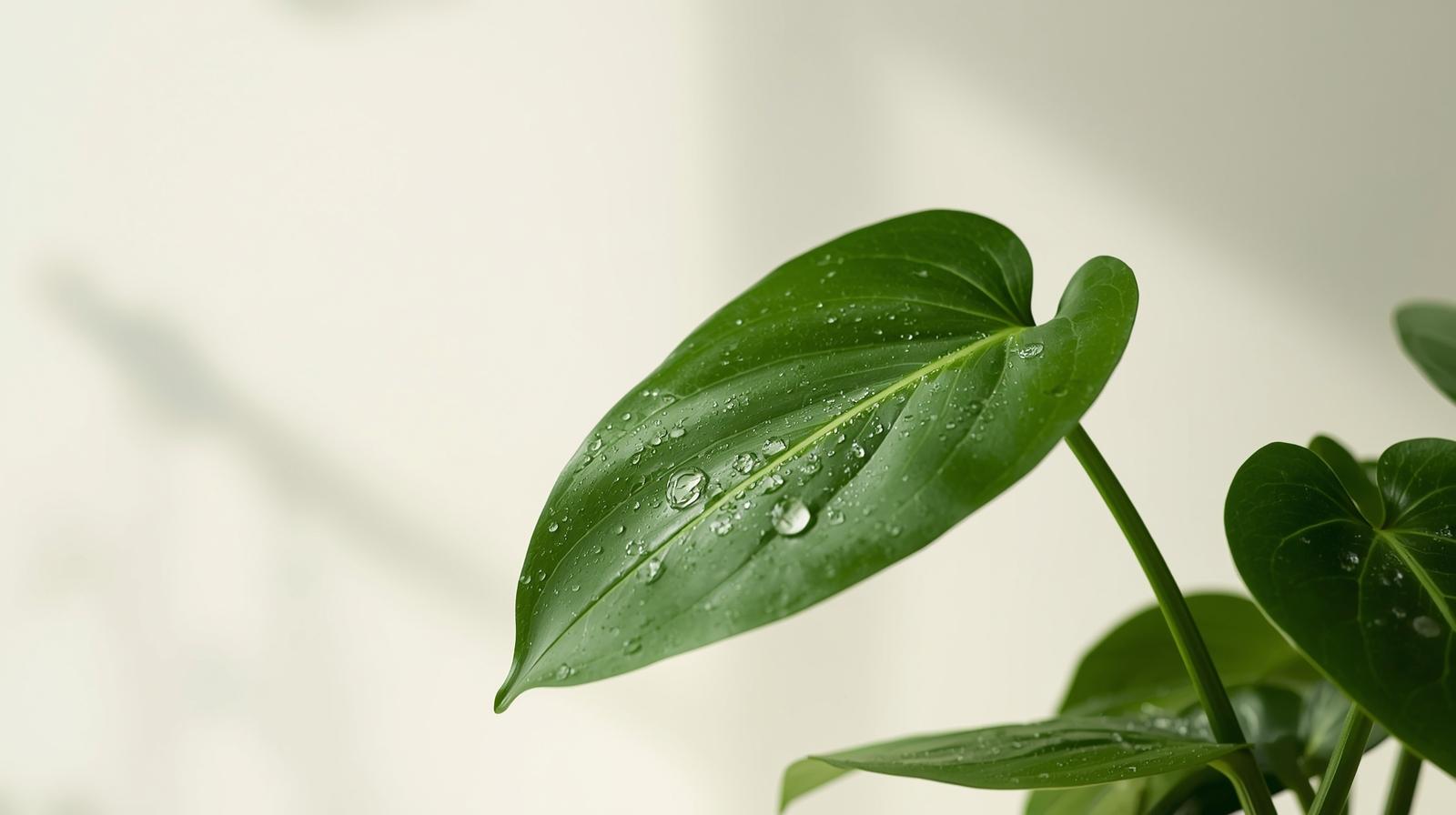
You don’t need complex tools to raise humidity—just presence and small, thoughtful gestures. Grouping plants together creates a shared microclimate, as their collective transpiration gently moistens the surrounding air.
A shallow tray filled with pebbles and water, placed beneath a pot (not in it), offers slow evaporation without overwatering. And the bathroom or kitchen—naturally humid from daily rituals—can become a sanctuary for moisture-loving greens.
In winter, when heating systems dry the air to desert-like levels, or in naturally arid climates, passive methods may not be enough. A quiet, minimalist humidifier can then become an extension of your care—like offering a morning mist to a forest.
Choose one with a soft hum and clean lines, so it blends into your space without demanding attention. Let it run gently in the background, a steady breath for your green companions.
Some plants adapt gracefully to the average indoor humidity of 30–40%. Snake plants, ZZ plants, and certain palms like the parlor palm are resilient, steady presences that ask for little yet give much in return.
Many of these humidity-tolerant varieties also flourish in indirect or low light, making them ideal for city apartments or north-facing rooms. Explore our guide to low-light plants to find calm companions for quieter corners.
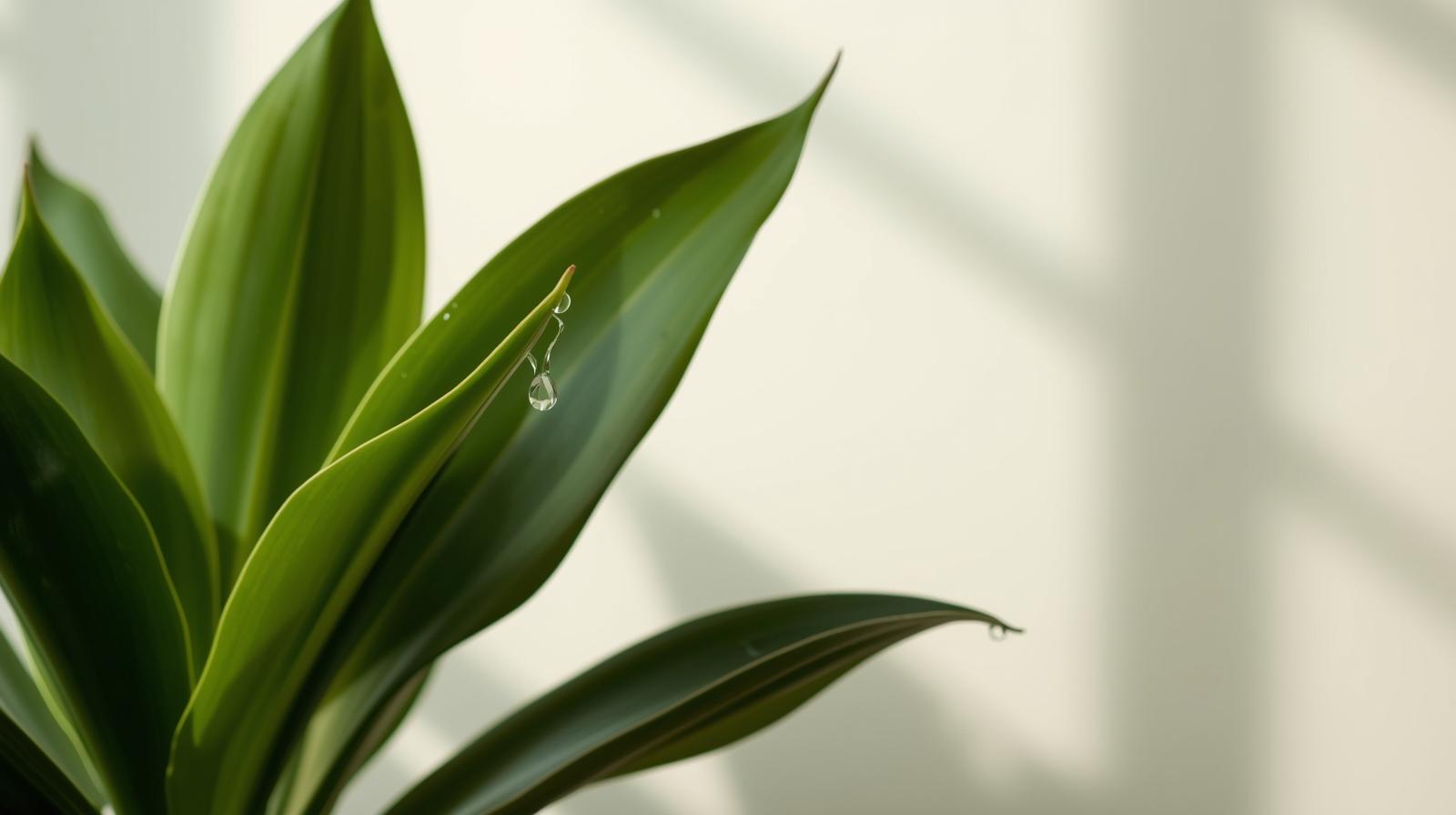
Indoor humidity ebbs and flows with the seasons. Winter’s heated air pulls moisture from both plants and people, while summer’s warmth often brings natural dampness. Tuning into these rhythms helps us respond with care, not correction.
Instead of fighting the dryness of winter, meet it with tenderness—group your plants, mist in the morning, or simply sit nearby and breathe with them. In this way, plant care becomes seasonal meditation.
A thriving indoor garden is not just about individual plants, but the ecosystem you cultivate. Pair humidity awareness with thoughtful placement, gentle air circulation, and intentional grouping to invite balance into your space.
When we attune to the subtle needs of our plants—like the quiet presence of moisture in the air—we also cultivate presence in ourselves. In this shared breath, we grow together.