
Bring Zen into Your Space
Bring Zen into Your Space

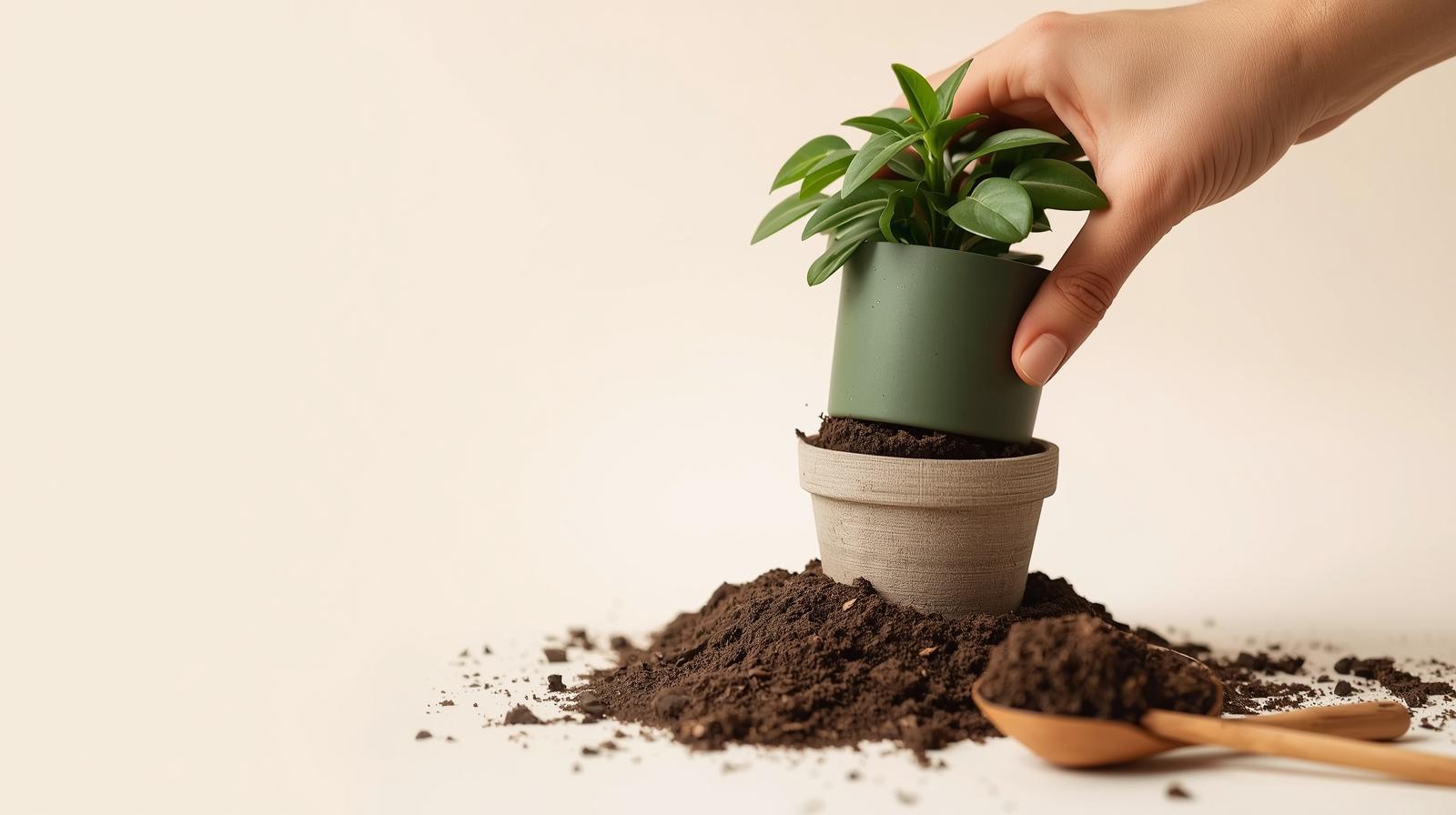
Repotting a plant is more than a chore—it’s a quiet ritual of care, a chance to reconnect with your green companions and honor their growth. In this gentle guide, we’ll walk through the essentials of plant repotting with mindfulness and intention, ensuring your plants thrive in their new homes.
Plant repotting is a foundational practice for long-term plant wellness. Over time, roots outgrow their containers, soil nutrients deplete, and compaction restricts airflow—each limiting a plant’s ability to flourish.
Like pruning or watering, repotting is part of a seasonal rhythm. It’s a moment to pause, observe, and respond to your plant’s quiet needs with care.
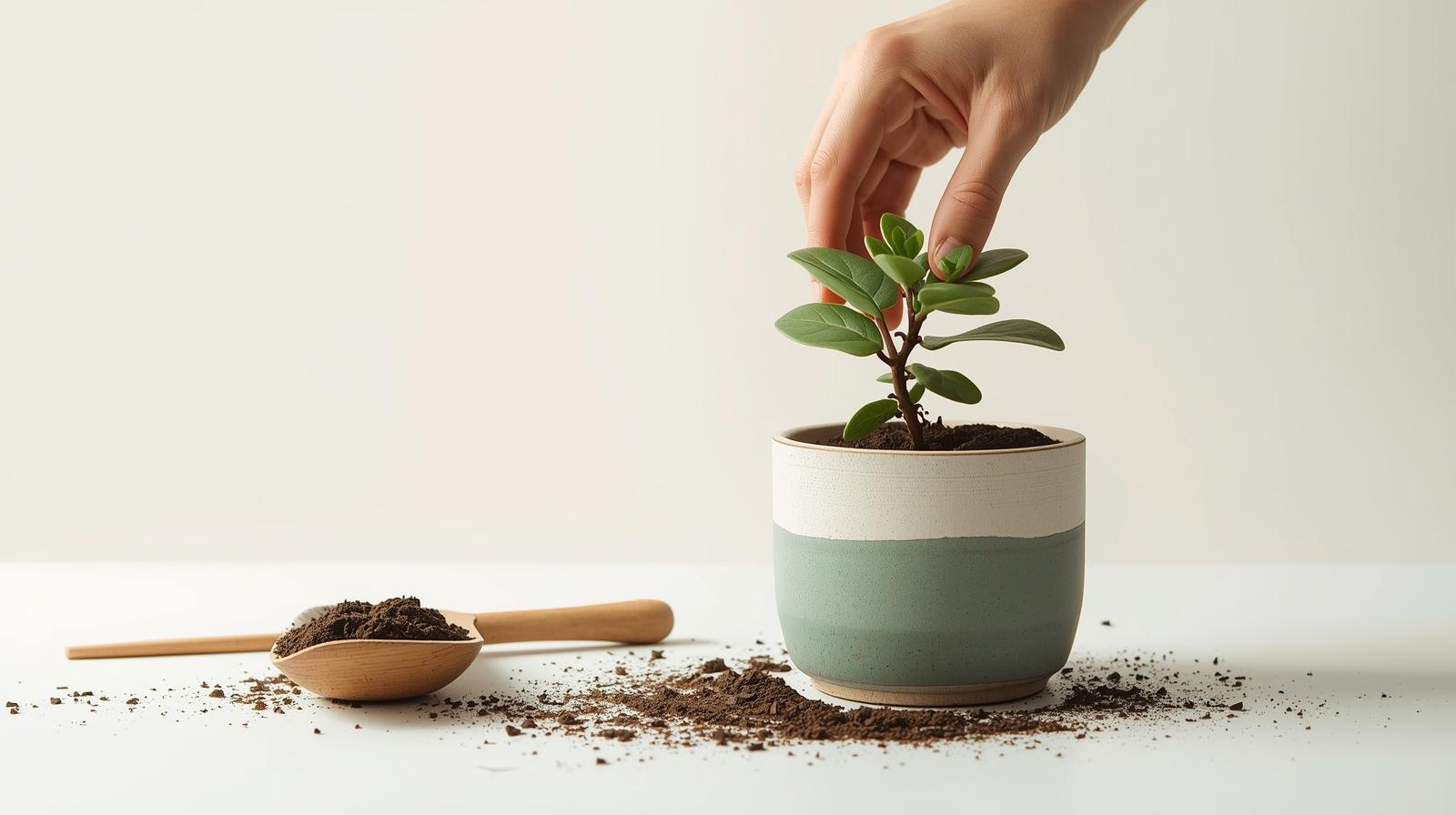
Roots circling the surface or escaping through drainage holes often signal that space is running out. Slowed growth, despite proper light and water, may also hint that your plant is root-bound.
When water rushes straight through the pot without soaking in, or the soil appears pale and lifeless, consider these not as warnings—but as gentle invitations to support your plant’s next chapter.
Keep a simple journal noting shifts in leaf color, how quickly the soil dries, or when roots peek above the rim. These small observations deepen your connection and attune you to your plant’s language.
Mindful care begins with listening—sometimes the softest signals speak the loudest.
Spring and early summer align with most plants’ active growing seasons, offering the best conditions for recovery after repotting. During this time, energy flows upward and outward, supporting root expansion and new growth.
Some plants, like succulents, follow different rhythms. For tailored timing and care, explore our succulent-basics guide.
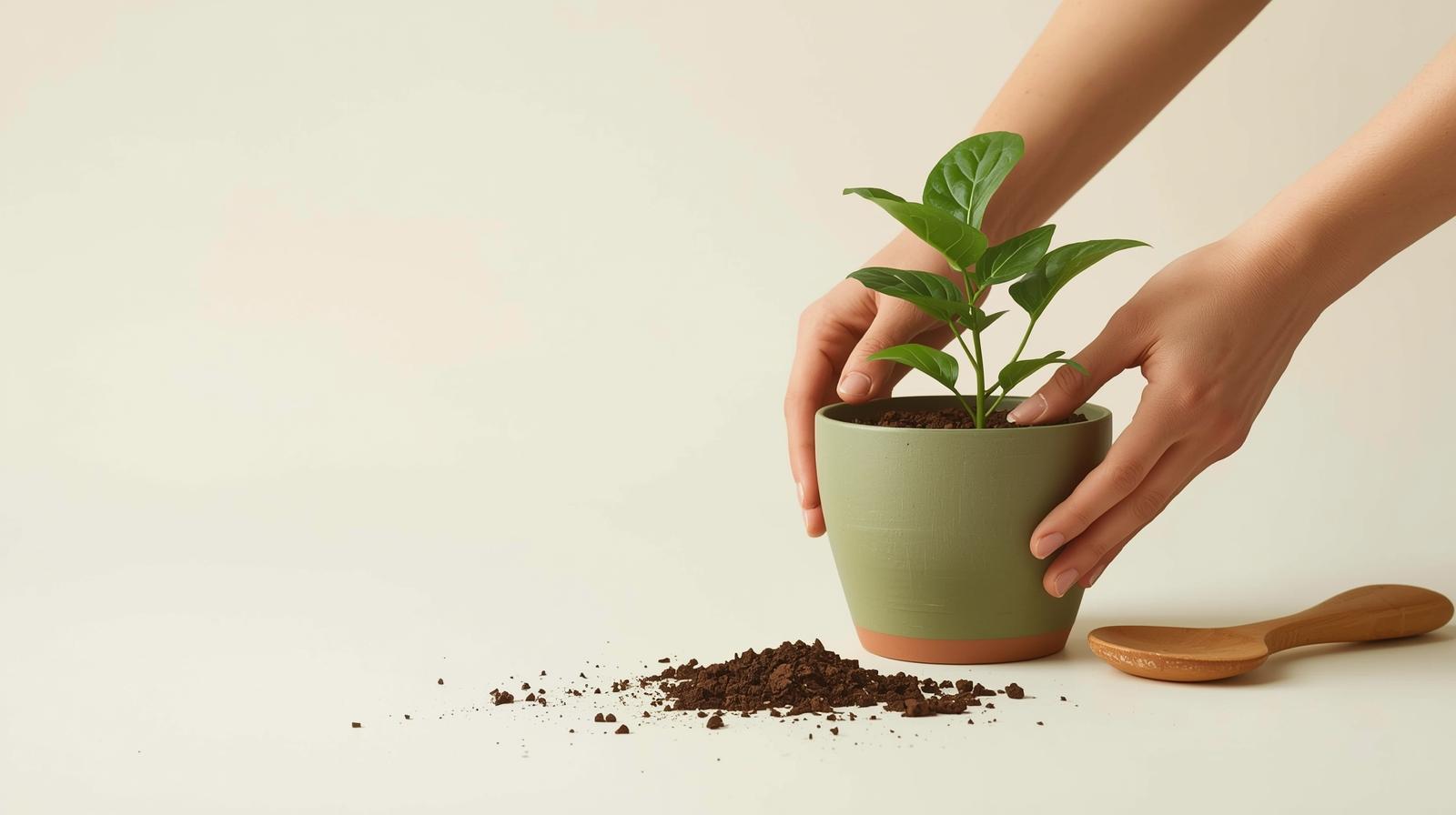
Choose a new pot only 1–2 inches larger in diameter than the current one. Too much space can trap excess moisture, leading to root rot.
Consider material: terracotta breathes well for thirsty plants, ceramic offers stability and beauty, while plastic retains moisture longer. Let the pot’s texture and form echo the calm of your space while serving your plant’s needs.
Not all soil is created equal. A dense, generic mix may suffocate delicate roots or dry too quickly for moisture-loving varieties.
Different plants thrive in different blends—airy and chunky for tropicals, gritty and fast-draining for desert dwellers. Learn how to craft the ideal foundation by visiting our soil-basics guide.
Water your plant a day before repotting to ease removal and reduce root shock. Gently invert the pot, supporting the base of the stem, and let gravity assist the release.
Loosen the root ball with your fingers, center the plant in its new home, and fill around it with fresh soil. Press lightly to eliminate air pockets—but never pack tightly.
Move slowly. Each motion is an act of respect for the life you’re nurturing.
For tightly wound roots, use your fingertips or a soft bamboo stick to gently tease them outward. Avoid tearing; the goal is to encourage new growth, not unravel what’s already there.
This moment mirrors our own: sometimes growth asks not for force, but for patience and gentle untangling.
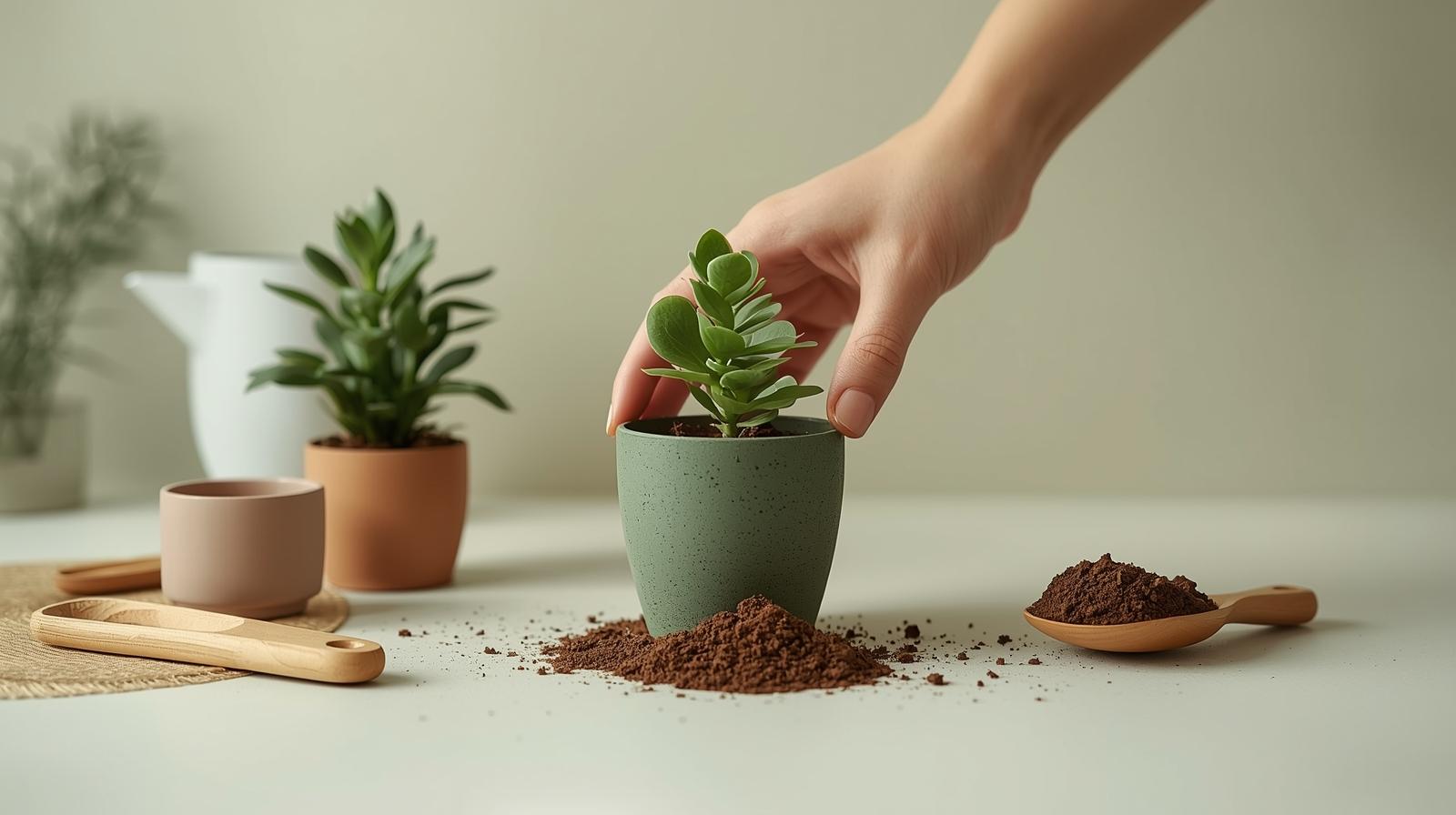
Place your plant in bright, indirect light for the first week—no direct sun, no fertilizer. This “rest period” allows roots to recover and reestablish without added stress.
Watch for drooping or yellowing leaves; these are normal signs of adjustment. With time and stillness, your plant will settle into its new rhythm.
Monsteras appreciate a chunky, well-draining mix that mimics their rainforest floor origins—and they often send out aerial roots that signal readiness for more space. For deeper insight into their needs, visit our monstera-care guide.
Succulents, by contrast, require minimal soil disturbance and thrive in fast-drying blends—reminding us that care looks different for every being.
Repotting is more than soil and roots—it’s a metaphor for change, renewal, and the quiet courage it takes to grow into new spaces. In tending to our plants, we practice presence, patience, and trust in unseen processes.
Let each repotting be a small ceremony: hands in the earth, breath steady, heart open to the quiet wisdom of green life.